Global Automotive Fuel Rail Market Forecast to 2031: Key Insights
According to our latest study on "Global Automotive Fuel Rail Market – Global and Regional Share, Trend, and Growth Opportunity Analysis – by Type of Pressure System, Material Type, Vehicle Type, Fuel Type, and Geography," the market was valued at US$ 4.56 billion in 2024 and is expected to reach US$ 6.42 billion by 2031. The automotive fuel rail market size is estimated to register a CAGR of 4.90% from 2025–2031. Government policies in emerging economies are expected to act as a future automotive fuel rail market trend.
India's strategic incentives, such as the Production Linked Incentive (PLI) Scheme for the Automobile and Auto Component Industry, are driving strong growth in local automotive manufacturing. The PLI program aims to increase the production of Advanced Automotive Technology (AAT) products, attract fresh investments, and solidify the local supply chains by applying monetary incentives to vehicle manufacturers and auto component suppliers. This policy-driven strategy enables local manufacturing, decreases import dependence, and facilitates the deeper involvement of domestic players in the global automotive supply networks. As manufacturers ramp up production capacities and make modernization investments, emerging markets are turning into attractive global automotive operations hubs. Besides policy support, the pace of urbanization, infrastructure improvement, and increase in disposable incomes are accelerating vehicle adoption. This trend leads to the need for automotive components such as fuel systems, powertrain parts, and other essential assemblies. Government policies in emerging economies constitute a key trend, which is the main driver of investment and competitiveness in the automotive sector.
Automotive Fuel Rail Market
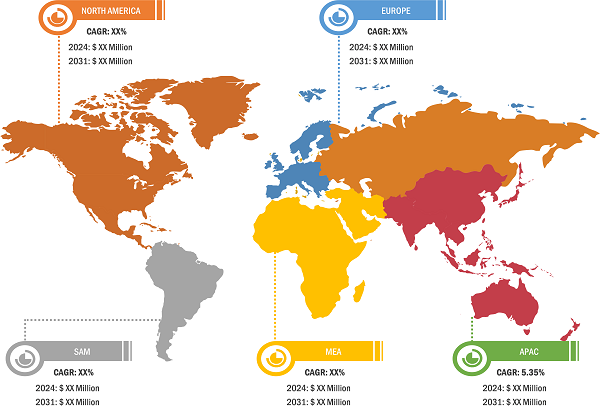
Automotive Fuel Rail Market Growth, Size & Share by 2031
Download Free SampleAutomotive Fuel Rail Market Size and Forecast (2021 - 2031), Global and Regional Share, Trend, and Growth Opportunity Analysis Report Coverage: By Type of Pressure System (High-Pressure and Low-Pressure), Material Type (Steel, Aluminum, and Others), Vehicle Type (Passenger Vehicle, Light Commercial Vehicle, and Heavy Commercial Vehicle), Fuel Type (Gasoline, Diesel, CNG, and Others), and Geography (North America, Europe, Asia Pacific, Middle East and Africa, and South America)
Surging Hybrid Vehicle Demand Drives Global Automotive Fuel Rail Market Growth
Pure battery electric vehicles do not have any need for fuel rails; however, the increasing adoption of hybrid electric vehicles (HEVs) and plug-in hybrid electric vehicles (PHEVs) is keeping the demand for automotive fuel rails at a steady level. These vehicles use internal combustion engines either as a main or a secondary source of power, which makes it necessary to have reliable fuel delivery systems.
Hybrid vehicles are becoming popular among consumers as they offer a good trade-off between fuel efficiency, low emissions, and driving range, which can be much higher than that of pure electric vehicles. This trend is especially strong in those areas where the charging infrastructure is not yet well developed or where consumers want to have the option of using either electric or fuel-powered driving. Consequently, HEVs and PHEVs are expected to be a transitional solution on the way to full electrification worldwide.
For fuel rail producers, the period of transition to electric vehicles is a chance to increase their market presence. There will be a need for sophisticated fuel rails capable of supporting higher pressure requirements, having better durability, and being compatible with the latest hybrid engine designs. The progressively stricter emission regulations are one of the reasons that automakers are adopting more efficient fuel injection systems that require fuel rails.
Global Automotive Fuel Rail Market: Segmental Overview
By fuel type, the market is segmented into gasoline, diesel, CNG, and others. The gasoline fuel rail section is the major contributor to the market share, basically, because of the plentiful number of gasoline-powered passenger vehicles made all over the world. The trend of installing gasoline direct injection (GDI) systems extensively has resulted in an increased requirement for fuel rails capable of withstanding high pressures. The tightening of fuel efficiency and emission regulations is compelling car manufacturers to equip vehicles with even more precise fuel delivery systems.
Global Automotive Fuel Rail Market Analysis: Competitive Landscape and Key Developments
The global automotive fuel rail market report highlights the factors driving market growth and the key developments of prominent players. Continental AG, Benteler International AG, Cooper Standard, GINHO Group, Denso Corporation, Marelli Holdings Co., Ltd., Nikki Co.,Ltd, Robert Bosch GmbH, and Sanoh Industrial Co., Ltd. are among the prominent players profiled in the global automotive fuel rail market report. Market players focus on new product launches, expansion, diversification, and acquisition strategies to capitalize on prevailing business opportunities.
- In April 2025, Ford Motor Company sold Automotive Components Holdings’ El Jarudo Plant and its fuel rail manufacturing plants to Cooper-Standard Automotive. This move has strengthened the position of Cooper-Standard Automotive in the automotive fuel rail market in North America.
Contact Us
Phone: +1-646-491-9876
Email Id: sales@theinsightpartners.com