Booming Automobile Sector Drives Mineral Oil Lubricants Market Growth
According to our latest study on "Mineral Oil Lubricants Market Forecast to 2031, Global and Regional Growth Opportunity Analysis – by Type and Application," the market was valued at US$ 150.14 billion in 2025 and is expected to reach US$ 223.17 billion by 2034; it is estimated to register a CAGR of 4.6% during 2026–2034. The report highlights factors contributing to theand prominent players, along with their developments in the mineral oil lubricants market.
The mineral oil lubricants market growth is driven by increasing movement on demand for multi-purpose base oil and additives that ease friction reduction, thermal stability, and equipment protection in various industries. These qualities are essential to guarantee the effectiveness, durability, and trustworthiness of automotive engines, industrial gears, hydraulic systems, and heavy machinery, where any minor deficiency in lubrication may lead to extreme wear, waste of energy, and unforeseen periods of downtime. The increase in the use of electric cars in new markets and the development of manufacturing, construction, and renewable energy markets enhance demand. Mineral oil lubricants have been among the reliable base oils in the delivery of high-performance and environmentally acceptable lubricating oils in the ever-competitive global mineral oil lubricants market.
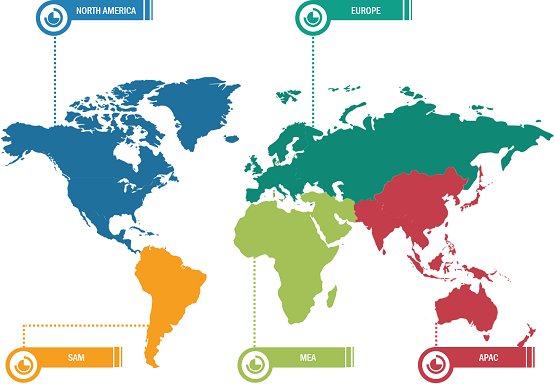
Mineral Oil Lubricants Market Breakdown – by Region
Mineral Oil Lubricants Market Size, Trends & Growth by 2034
Download Free SampleMineral Oil Lubricants Market Size and Forecast (2021 - 2034), Global and Regional Share, Trend, and Growth Opportunity Analysis Report Coverage: By Type (Hydraulic Fluid, Engine Oil, Driveline Lubricants, Metalworking Fluids, Grease, Process Oils, Coolants, and Others) and Application (Automotive [Passenger Cars, Light Commercial Vehicles, Heavy Commercial Vehicles, and Others], Building and Construction, Power Generation, Mining and Metallurgy, Food Processing, Oil and Gas, Marine, Aviation, and Others)
The mineral oil lubricants market analysis has been performed by considering the following segments: type and application. By type, the mineral oil lubricants market is segmented into hydraulic fluid, engine oil, driveline lubricants, metalworking fluids, grease, process oils, coolants, and others. The engine oil segment accounted for the largest mineral oil lubricants market share in 2025. Its high viscosity retention capabilities, thermal stability, and wear protection make the lubricant the choice to maximize internal combustion, minimize friction, and improve the life of engines in passenger cars, commercial cars, and heavy-duty equipment. The optimized base oil formula provides a stable condition of the chemical up to extreme temperatures, constant oil pressure, and the strength of the film is not subjected to thermal deterioration or sludge formation. Long-term engine cleanliness and fuel efficiency are preserved without the formation of deposits that would otherwise undermine the control of emissions and long-term service. It is capable of operating under the rigorous conditions of the stop-start cycles and long drain periods of present-day engines. Its high oxidation resistance and corrosive protection enable it to be used in the scope of extended-service certification and international automobile compliance. The advanced engine oil formulations are specified by major automotive OEMs and fleet operators and are most commercially dominant in the mineral oil lubricants market, in which they are used in high-performance mobility and logistics applications via activated design.
The mineral oil lubricants market trends include the adoption of cleaner base oil production pathways (sustainable and re-refined formulations); adoption of high-performance and fuel-economy-optimizing viscosity grades; and enhancement of condition monitoring and dispensing systems. One of the key trends in the near future is the appearance of sustainable and circular-economy-compliant lubricant solutions. The increasing governmental regulatory and environmental pressures (in Europe and North America) are forcing manufacturers to create next-generation bio-based and re-refined base oil alternatives and a fully circular lifecycle architecture that has similar oxidation stability and wear protection qualities. Additive technology has advanced, allowing for a massive decrease in energy loss due to friction (1015% greater fuel economy), without deteriorating engine cleanliness and drain interval properties, optimization of formulation, and minimization of carbon footprint. To enhance the convenience of the industrial maintenance side and minimize used oil disposal, centralized lubrication systems, automated oil analysis sensors, and real-time monitoring of the viscosity are presented. These are used with recycled-base oil and low-carbon additive solutions to enable petrochemical companies to meet ESG targets without degrading the performance of the mineral oil lubricants in terms of viscosity, thermal stability, and cost efficiency that the latter has established. The latter remains topical in petrochemical industries that are sustainability-committed.
In 2025, the mineral oil lubricants market share was dominated by the Asia Pacific in terms of revenue. Most of the products were sold to the automotive and industrial manufacturing sector, with the bustling demand of high-performance engine oils, hydraulic fluid, and metalworking fluid in the production and logistics industry. Vehicle assembly facilities, heavy equipment manufacturing facilities, and facilities for precision engines in nations including China, India, Japan, South Korea, and Thailand are rising at a rapid rate. They require high-quality lubricants to guarantee operational efficiency, equipment durability, and material integrity in the expanding industrial supply chains.
Shell Plc, Exxon Mobil Corp, TotalEnergies SE, Chevron Corp, BP Plc, Lukoil, Valvoline Inc, Gulf Oil International Ltd, Repsol SA, and Fuchs SE are among the prominent players profiled in the mineral oil lubricants market report. These players are focusing on providing high-quality products to fulfill customer demand. They are adopting strategies such as new product launches, capacity expansions, partnerships, and collaborations to stay competitive in the mineral oil lubricants market.
By type, the market is segmented into hydraulic fluid, engine oil, driveline lubricants, metalworking fluids, grease, process oils, coolants, and others. By application, the market is categorized into automotive, building and construction, power generation, mining and metallurgy, food processing, oil and gas, marine, aviation, and others. The automotive segment is sub-segmented into passenger cars, light commercial vehicles, heavy commercial vehicles, and others.
The geographical scope of the mineral oil lubricants market report focuses on North America, Europe, Asia Pacific, the Middle East & Africa, and South & Central America. The market in North America is segmented into the US, Canada, and Mexico. The market in Europe is categorized into Germany, France, Italy, the UK, Russia, Hungary, and the Rest of Europe. The market in the Asia Pacific is divided into Australia, China, India, Japan, South Korea, and the Rest of the Asia Pacific. The mineral oil lubricants market in the Middle East & Africa is classified into South Africa, Saudi Arabia, the UAE, and the Rest of the Middle East & Africa. The market in South & Central America is segmented into Brazil, Argentina, and the Rest of South & Central America.
Contact Us
Phone: +1-646-491-9876
Email Id: sales@theinsightpartners.com