Global Residential District Heating Market Forecast to 2031: Key Insights
According to our latest study on "Global Residential District Heating Market – Global and Regional Share, Trend, and Growth Opportunity Analysis – by Heat Source, Plant Type, and Geography," the residential district heating market market size was valued at US$115.90 billion in 2025 and is expected to reach US$164.10 billion by 2034. The residential district heating market is estimated to register a CAGR of 3.8% from 2026–2034. Digitalizing commercial district heating Networks is expected to act as a future residential district heating market trend.
A major emerging trend in the residential district heating (RDH) market is the digitalization of heating networks. This shift is driven by rising energy costs, ambitious decarbonization targets, and the growing need to operate heating systems in buildings and large residential complexes. Digitalization is not about upgrading equipment but changing the way residential heating networks are monitored, controlled, and optimized.
In digitalized systems, data on temperature, pressure, and heat flow is collected almost in real time from residential substations and distribution pipes. This allows operators to adjust heat supply more accurately for apartment blocks and housing developments, detect potential issues early, reduce maintenance costs, and lower energy use. Unlike traditional automation, digital heating networks connect all components into a single intelligent system supported by data analytics, AI, and remote management tools.
Residential District Heating Market
Residential District Heating Market Size, Growth & Trends by 2034
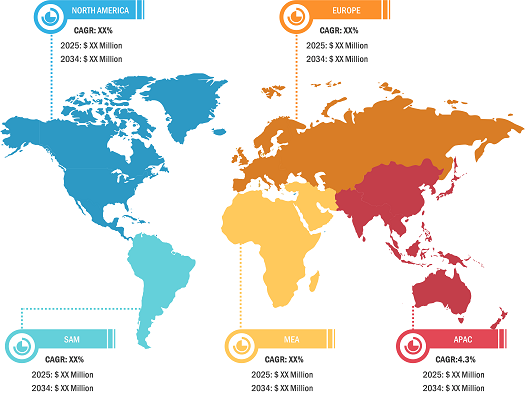
Download Free SampleResidential District Heating Market Size and Forecast (2021 - 2034), Global and Regional Share, Trend, and Growth Opportunity Analysis Report Coverage: By Heat Source (Coal, Natural Gas, Oil and Petroleum Products, and Others), Plant Type (Boiler, Combined Heat and Power, and Others), and Geography (North America, Europe, Asia Pacific, Middle East and Africa, and South America)
Key elements of this transition include the use of IoT sensors for continuous monitoring, centralized SCADA and DMS platforms for network control, digital twins to model and test system performance, and predictive maintenance that prevents failures before they occur. Integrating thermal storage, hybrid substations, and renewable energy sources improves efficiency and helps manage peak demand.
A real-world example is the Veolia Smart Heating Network in Warsaw, where thousands of substations are digitally monitored to optimize heat supply, automatically detect faults, reduce heat losses, and cut CO? emissions. Digitalization makes residential district heating more reliable, efficient, and sustainable, positioning smart RDH networks as a key solution for future low-carbon urban housing.
Demand from New Residential Buildings Drives Global Residential District Heating Market Growth
The residential district heating market growth is gaining momentum as centralized heating systems and heat pumps become standard choices in new housing projects. According to the energy industry association BDEW, more than 70% of heating systems installed in newly built homes rely on either heat pumps or district heating. In 2024, ~76,100 new residential buildings were completed, adding ~215,900 apartments. About one quarter of these apartments were connected to district heating networks, while heat pumps accounted for 46% of new installations. Traditional gas boilers made up only 21%.
This shift reflects a growing preference among developers and homeowners for heating solutions that are energy-efficient, low-carbon, and dependable. District heating provides stable and consistent warmth through centralized heat generation and insulated pipeline networks. Compared with individual fossil-fuel boilers, these systems reduce operating costs and cut greenhouse gas emissions.
District heating also stands out for its flexibility. It can integrate renewable and low-carbon energy sources such as biomass, solar thermal energy, and industrial waste heat, making it both environmentally and economically attractive. Strong regulatory support, tighter energy-efficiency standards, and government policies promoting sustainable urban development are accelerating adoption. As cities expand and energy transition efforts intensify, district heating is a practical, scalable solution for high-density residential developments and modern urban housing.
Global Residential District Heating Market: Segmental Overview
Based on heat source, the global residential district heating market report is divided into coal, natural gas, oil and petroleum products, and others. The natural gas segment held the largest global residential district heating market share in 2024. Coal-based district heating can offer consistent residential heating solutions, but has fewer applications owing to emissions levels that contravene stringent environmental regulations. The wide availability of natural gas and its cost-effective pricing compared to other fuel sources is contributing to natural gas segment in residential district heating market share.
Global Residential District Heating Market Analysis: Competitive Landscape and Key Developments
The global residential district heating market report highlights the factors driving market growth and the key developments of prominent players. Danfoss AS; Veolia; Fortum Corp; ENGIE; LOGSTOR Denmark Holding ApS; Siemens AG; Statkraft AS; Vattenfall AB; Shinryo Corporation; and Vital Energi Ltd. are among the prominent players profiled in the report. Market players focus on new product launches, expansion, diversification, and acquisition strategies to capitalize on prevailing business opportunities.
- Vattenfall assesses ownership of district heating operations: In March 2025, Vattenfall started a process to assess the ownership of its district heating portfolio. As part of its continuous portfolio evaluation, Vattenfall will assess future options for its district heating operations in the UK, Sweden, and the Netherlands, including potential divestment.
- Statkraft is seeking new owners for district heating operations: In May 2024, Statkraft is exploring opportunities to find new owners for its district heating business. The company informed its approximately 150 employees in the district heating sector in Norway and Sweden.
Contact Us
Phone: +1-646-491-9876
Email Id: sales@theinsightpartners.com