
Dermatology Drugs for Pets Market Size, Share & Trends by 2034
Coverage: By Product Type (Non-steroidal anti-inflammatory drugs (NSAIDS), Antibiotics, Veterinary antifungal drugs, Others); Animal Type (Large animals, Small animals); End User (Veterinary hospitals, Veterinary clinics, Others), and Geography (North America, Europe, Asia Pacific, and South and Central America)
- Status : Data Released
- Report Code : TIPRE00015214
- Category : Life Sciences
- No. of Pages : 150
- Available Report Formats :


- Last update date : June 23, 2026


2025 Market Size
US$ 9.41 Bn
Base year value
2034 Forecast
US$ 19.27 Bn
Projected by 2034
CAGR 2026-2034
8.29 %
Growth rate
Addressable Market
US$ 128.80 Bn
(2026-2034)
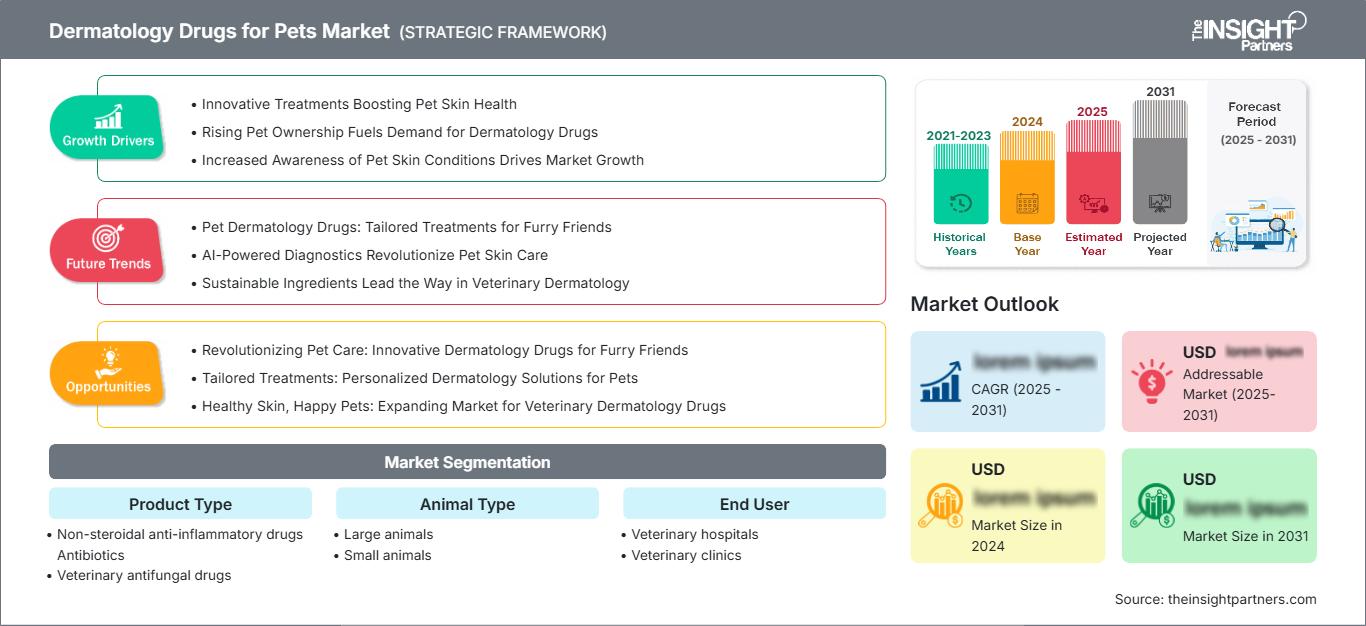
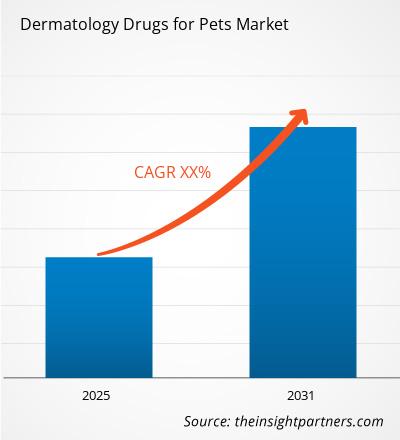
The Dermatology Drugs for Pets Market is positioned for sustained expansion as companion animal healthcare becomes increasingly specialized and preventive. The market is valued at US$ 9.41 Billion in 2025 and is projected to reach US$ 19.27 Billion by 2034, advancing at a CAGR of 8.29% during 2026–2034. Growing awareness of dermatological disorders among pet owners, rising veterinary expenditures, and the introduction of targeted therapies are reshaping treatment approaches across developed and emerging veterinary healthcare ecosystems.
North America remains the most influential regional market, supported by high pet ownership rates, sophisticated veterinary infrastructure, and widespread adoption of prescription dermatology products. The region is anticipated to expand at an estimated CAGR of 7.9% through 2034. Increasing diagnosis of allergic dermatitis, fungal infections, and chronic skin disorders, combined with stronger pet insurance penetration and preventive care programs, continues to accelerate demand for advanced veterinary dermatology drugs.
Dermatology Drugs for Pets Market Assessment and Insights
- Market Size (2025): US$ 9.41 Billion
- Market Size (2034): US$ 19.27 Billion
- CAGR (2026–2034): 8.29%
- Leading Region: North America
- Fastest-Growing Region: Asia Pacific
- Leading Segment: Veterinary Hospitals
- Key Innovation/Competitive Trend: Biologic therapies and targeted immunomodulatory treatments
Source: The Insight Partners' analysis based on proprietary research, government publications, company annual reports, investor presentations, industry databases, and expert interviews.
The Dermatology Drugs for Pets Market has evolved from a predominantly symptom-management landscape toward a more comprehensive therapeutic ecosystem focused on long-term disease control. Veterinary dermatology now encompasses targeted anti-inflammatory agents, advanced antifungal formulations, novel antibiotics, and biologics designed to improve treatment adherence while minimizing adverse effects in companion and production animals.
Future market development will be influenced by precision veterinary medicine, expanded dermatological diagnostics, and increasing investment in chronic disease management. Pharmaceutical companies are strengthening portfolios through innovative formulations, improved delivery mechanisms, and expanded geographic reach. These developments are expected to enhance treatment accessibility while supporting broader adoption across veterinary hospitals and clinics worldwide.
Dermatology Drugs for Pets Market Report Scope
| Report Attribute | Details |
|---|---|
| Market size in 2025 | US$ 9.41 Billion |
| Market Size by 2034 | US$ 19.27 Billion |
| Global CAGR (2026 - 2034) | 8.29% |
| Historical Data | 2021-2024 |
| Forecast period | 2026-2034 |
Dermatology Drugs for Pets Market Analysis
Rising incidence of skin allergies, parasitic complications, fungal infections, and bacterial dermatological disorders continues to drive demand across the veterinary healthcare sector. Urbanization and growing humanization of pets have increased spending on specialized treatments, encouraging owners to seek professional veterinary intervention rather than relying on over-the-counter remedies. As awareness improves, early diagnosis and recurring treatment cycles are becoming more common.
The market ecosystem includes pharmaceutical manufacturers, veterinary distributors, diagnostic providers, veterinary hospitals, clinics, and pet insurance stakeholders. Enhanced collaboration across this value chain is improving treatment accessibility and supporting broader adoption of advanced dermatological therapies. Digital veterinary platforms and teleconsultation services are also contributing to earlier intervention and improved treatment compliance.
Competition remains concentrated among established animal health companies such as Zoetis, Inc., Virbac S.A., Elanco, Boehringer Ingelheim, Ceva Sante Animale, Vetoquinol S.A., Vetmedica, Merial, Bayer Animal Health, and IDEXX Laboratories. These organizations continue to invest in product differentiation, biologic therapies, and expanded dermatology portfolios to strengthen market positioning.
Investment activity increasingly focuses on innovative therapeutics addressing allergic dermatitis and chronic inflammatory skin conditions. Strategic partnerships between pharmaceutical developers and veterinary service providers are accelerating commercialization pathways. Companies are simultaneously expanding manufacturing capabilities and strengthening regional distribution networks to capture demand arising from emerging pet healthcare markets.
● REPORT CUSTOMIZATION
Tailor This Report To Align With Your Specific Business Requirements
This report can be customized to align precisely with your business objectives, scope, and target markets. Customization options include tailored segmentation, geography, competitive analysis, and strategic insights to support informed decision-making.
Customize This Report →WHAT YOU CAN ADJUST
- ● Segmentations
- ● Geography
- ● Competitive Analysis
- ● Language Preferences
Dermatology Drugs for Pets Market: Strategic Insights
Regional Insights
North America Dermatology Drugs for Pets Market
North America accounts for the largest share of the Dermatology Drugs for Pets Market and is projected to record a CAGR of approximately 7.9% through 2034. Strong consumer spending on pet healthcare, advanced veterinary diagnostic capabilities, and extensive awareness regarding chronic dermatological disorders support regional leadership. Companion animals receive increasingly specialized treatment, creating favorable conditions for premium dermatology drug adoption.
The region also benefits from high penetration of veterinary insurance and extensive availability of prescription therapies. Continuous product innovation, strong regulatory oversight, and the presence of major animal health companies contribute to sustained market expansion. Demand remains particularly strong for therapies targeting allergic dermatitis, bacterial infections, and chronic inflammatory skin diseases.
U.S. Dermatology Drugs for Pets Market
The United States represents approximately 75–80% of the North American market and is expected to grow at a CAGR near 8.0% over the forecast period. Growing expenditures on companion animal health and widespread acceptance of advanced veterinary therapies continue to support market development. The increasing prevalence of skin allergies among dogs and cats has further strengthened demand for long-term dermatological treatment solutions.
Major industry participants maintain substantial commercial operations throughout the country, enabling rapid introduction of innovative products. Veterinary hospitals increasingly utilize advanced diagnostic testing to identify dermatological conditions at earlier stages, improving treatment outcomes. Rising adoption of biologics, immunomodulators, and targeted anti-inflammatory therapies is expected to reinforce the country's dominant market position.
Europe Dermatology Drugs for Pets Market
Europe holds an estimated 25–30% share of the global Dermatology Drugs for Pets Market and is anticipated to expand at a CAGR of approximately 7.8%. The region benefits from mature veterinary healthcare systems, increasing pet ownership, and growing emphasis on animal welfare standards. Demand for specialized dermatological therapies continues to rise across both companion and production animal segments.
The United Kingdom remains a significant contributor due to high veterinary service utilization and strong awareness regarding chronic pet health conditions. Increasing adoption of prescription dermatology treatments and preventive healthcare programs supports market growth across veterinary clinics and hospitals.
Germany leads the European market, supported by advanced veterinary infrastructure, robust pharmaceutical distribution networks, and a large companion animal population. Continuous investment in veterinary innovation and diagnostic capabilities strengthens demand for dermatology-focused therapeutic products.
France, Italy, and Spain collectively represent a substantial growth opportunity. Expanding pet ownership, improved access to veterinary care, and increasing awareness of dermatological disease management are encouraging greater use of prescription treatments throughout these markets.
APAC Dermatology Drugs for Pets Market
Asia Pacific is projected to be the fastest-growing regional market, advancing at an estimated CAGR of 9.8% through 2034 while accounting for approximately 20–25% of global revenue. Rising disposable incomes, expanding pet populations, and modernization of veterinary healthcare systems are creating favorable market conditions throughout the region.
China leads regional demand due to rapid growth in companion animal ownership and increasing expenditure on premium pet healthcare products. Government support for veterinary healthcare modernization and expanding animal health infrastructure further support market development.
Japan, South Korea, India, and Australia continue to witness rising adoption of specialized veterinary treatments. Improved awareness of pet wellness, growth in veterinary clinics, and increasing availability of advanced pharmaceutical products are accelerating market penetration across diverse animal healthcare environments.
Middle East & Africa Dermatology Drugs for Pets Market
The Middle East & Africa market is expected to register a CAGR of approximately 7.5% during the forecast period. Although smaller in scale compared with mature markets, improving veterinary infrastructure and rising awareness regarding animal health are supporting gradual expansion. Demand is increasingly concentrated within urban pet-owning populations.
Saudi Arabia represents the leading country market due to growing investment in veterinary services and animal healthcare infrastructure. Rising adoption of companion animals and enhanced access to specialized veterinary treatments continue to support demand growth.
The UAE, South Africa, and the rest of the region are witnessing increasing investment in veterinary clinics, pharmaceutical distribution networks, and animal welfare initiatives. Infrastructure development and broader healthcare modernization efforts are expected to strengthen long-term opportunities for dermatology drug providers.
Segmentation Analysis
Product Type
- Non-steroidal anti-inflammatory drugs: Frequently prescribed for inflammatory dermatological conditions, these products benefit from growing demand for long-term symptom control while minimizing complications associated with prolonged steroid use.
- Antibiotics: Widely utilized for bacterial skin infections and secondary dermatological complications, antibiotics remain essential across veterinary treatment protocols despite increasing emphasis on responsible antimicrobial stewardship.
- Veterinary antifungal drugs: Demand continues to rise due to increasing diagnosis of fungal infections affecting companion and production animals, particularly in humid environments and densely populated animal settings.
Animal Type
- Large animals: Dermatological treatments for livestock and working animals support productivity, animal welfare, and disease management, encouraging continued utilization across commercial agricultural operations.
- Small animals: Dogs and cats account for the largest demand base due to higher diagnosis rates, frequent veterinary visits, and increasing owner willingness to invest in specialized dermatological care.
End User
- Veterinary hospitals: Advanced diagnostic capabilities, specialist consultations, and comprehensive treatment offerings position veterinary hospitals as the leading channel for dermatology drug utilization.
- Veterinary clinics: Clinics serve as critical access points for routine dermatological care, supporting broad adoption of prescription therapies through community-based veterinary services.
Opportunity Snapshot
| End User | Revenue Contribution | Trend Tag | Adoption Stage |
| Veterinary hospitals | High | Advanced Care | Mature |
| Veterinary clinics | Medium | Early Diagnosis | Scaling |
Dermatology Drugs for Pets Market Growth Drivers and Impact Analysis
Increasing Prevalence of Allergic and Chronic Skin Disorders
Allergic dermatitis, atopic dermatitis, bacterial infections, and fungal skin conditions are becoming increasingly common among companion animals worldwide. Environmental allergens, changing living conditions, dietary sensitivities, and improved diagnostic recognition have contributed to a larger treatable patient population. Veterinary professionals are diagnosing dermatological disorders earlier and recommending longer treatment regimens designed to control recurring symptoms rather than simply managing acute episodes.
The impact on the market is substantial because chronic dermatological conditions often require ongoing medication, repeat consultations, and monitoring. This recurring demand creates stable revenue streams for pharmaceutical manufacturers and veterinary service providers. Companies are responding through expanded therapeutic portfolios that address both symptom relief and disease progression. As awareness among pet owners continues to increase, demand for advanced dermatology drugs is expected to strengthen across developed and emerging markets.
Humanization of Pets and Rising Veterinary Healthcare Spending
Pet owners increasingly regard animals as family members, influencing healthcare decisions and treatment expectations. This behavioral shift has resulted in greater willingness to pursue specialized therapies, advanced diagnostics, and premium prescription medications. Dermatological disorders, which directly affect animal comfort and quality of life, receive particular attention due to their visible symptoms and impact on daily well-being.
The resulting market impact extends beyond pharmaceutical sales. Veterinary hospitals and clinics are expanding dermatology services, investing in diagnostic technologies, and adopting advanced treatment protocols. Higher spending levels also encourage manufacturers to invest in research and development, supporting innovation across anti-inflammatory, antifungal, and antibiotic categories. The trend is particularly evident in North America, Europe, and rapidly developing Asia-Pacific markets.
Expansion of Targeted Veterinary Therapeutics
Veterinary medicine is increasingly adopting targeted therapies that offer improved efficacy and safety profiles compared with conventional treatment approaches. Biologics, immunomodulators, monoclonal antibodies, and advanced anti-inflammatory drugs are transforming dermatology treatment strategies by addressing underlying disease mechanisms rather than solely managing symptoms.
This evolution is having a major impact on competition within the Dermatology Drugs for Pets Market. Firms that are able to offer distinctive therapeutic results will have more leverage in pricing and brand loyalty. Veterinary professionals benefit from expanded treatment options, while pet owners experience improved clinical outcomes and convenience. Continued investment in targeted therapies is expected to support premiumization and long-term market value creation.
Dermatology Drugs for Pets Market Future Trends
Growing Adoption of Biologics and Monoclonal Antibody Therapies
Biologic therapies are becoming increasingly important within veterinary dermatology due to their ability to target specific inflammatory pathways associated with allergic and atopic skin conditions. These therapies often provide longer-lasting symptom control and improved treatment adherence compared with traditional approaches. As veterinary practitioners gain confidence in biologic treatment protocols, adoption rates are expected to accelerate.
In the future, we predict manufacturers will continue to extend their biologic offerings and look for more indications related to the treatment of chronic dermatologic disease. Advances in manufacturing efficiency and the increased amount of real-world data should also help increase availability. This trajectory will be set to reframe standards of care for treatment in the highest-quality, companion animal settings where the value placed on improved health outcomes remains strong.
Integration of Diagnostics with Personalized Treatment Planning
Advances in diagnostic techniques have been seen in veterinary dermatology, which will help identify causative agents as well as treatments necessary for curing the ailment. Diagnostics, allergy testing, microbial culture, and digital diagnostics will allow specialists to design treatment plans that are customized according to each case.
Over the coming decade, integration between diagnostic and therapeutic processes is likely to become significantly stronger. Drug makers and veterinarians will be cooperating more closely in developing an integrated approach to healthcare delivery for improved results with fewer unnecessary procedures. Such an approach contributes to greater efficiency and better value for innovative dermatology drugs.
Dermatology Drugs for Pets Market Opportunities
Expansion into Emerging Companion Animal Healthcare Markets
Many developing economies continue to experience rapid growth in pet ownership alongside rising disposable incomes and expanding veterinary infrastructure. These factors create substantial opportunities for dermatology drug manufacturers seeking new revenue sources beyond established markets. Demand for specialized pet healthcare services is increasing as owners become more aware of chronic dermatological conditions and available treatment options.
Companies can capitalize on this opportunity through localized distribution channels, educating veterinarians, and developing product lines that are customized to meet regional requirements. Investments in these areas also provide diversification potential and lessen reliance on developed regions in the future. Companies that enter early into the market will gain a competitive edge as veterinary healthcare systems progress further.
Development of Long-Acting and Convenient Treatment Formats
Adherence to treatment protocols continues to pose major issues within the field of veterinary medicine, especially where chronic dermatological diseases that require prolonged treatments are concerned. Formulations that allow sustained release, drug delivery via injections, and simplified treatment regimens provide considerable scope for increasing the adherence rate and improving the clinical results.
Manufacturers that commit to formats that simplify treatment will have a clear way to set products apart from other players in a crowded market. Vets get enhanced levels of patient care, while pets and their owners will also be thankful for less complicated, less frequent treatment. As convenience is going to continue to drive purchase decisions, solutions that make it easier for people to give their pets their medicine will deliver a welcome boost to the bottom line and can help drive the whole market forward.
Recent Developments
- May, 2026: Elanco Animal Health Incorporated launched Befrena (tirnovetmab), an anti-IL-31 monoclonal antibody for canine allergic and atopic dermatitis. The product entered commercial rollout through selected veterinary clinics and strengthened Elanco’s position in canine dermatology by expanding its biologics portfolio targeting chronic itch management.
- February, 2026: Merck Animal Health announced the U.S. Food and Drug Administration (FDA) approval of NUMELVI (atinvicitinib tablets) – the first and only second-generation Janus kinase (JAK) inhibitor indicated for the control of pruritus associated with allergic dermatitis in dogs six months of age and older.
- July, 2025: Elanco Animal Health Incorporated secured European Commission approval for Zenrelia (ilunocitinib), a once-daily oral treatment for pruritus and atopic dermatitis in dogs. The authorization expanded access to advanced canine dermatology treatment across European markets and strengthened the company’s international dermatology franchise.
Frequently Asked Questions

- Comprehensive Market Sizing and Forecast Analysis
- Detailed Segmentation Analysis
- In-Depth Market Dynamics Assessment
- Regional and Country-Level Insights
- Competitive Landscape and Company Benchmarking
- Strategic Business Intelligence
Recent Reports
Testimonials

The Insight Partners' SCADA System Market report is comprehensive, with valuable insights on current trends and future forecasts. The team was highly professional, responsive, and supportive throughout. We are very satisfied and highly recommend their services.
RAN KEDEM Partner, Reali Technologies LTDs
I requested a report on a very specific software market and the team produced the report in a few days. The information was very relevant and well presented. I then requested some changes and additions to the report. The team was again very responsive and I got the final report in less than a week.
JEAN-HERVE JENN Chairman, Future Analytica
We worked with The Insight Partners for an important market study and forecast. They gave us clear insights into opportunities and risks, which helped shape our plans. Their research was easy to use and based on solid data. It helped us make smart, confident decisions. We highly recommend them.
PIYUSH NAGPAL Sr. Vice President, High Beam Global
The Insight Partners delivered insightful, well-structured market research with strong domain expertise. Their team was professional and responsive throughout. The user-friendly website made accessing industry reports seamless. We highly recommend them for reliable, high-quality research services
YUKIHIKO ADACHI CEO, Deep Blue, LLC.
This is the first time I have purchased a market report from The Insight Partners.While I was unsure at first, I visited their web site and felt more comfortable to take the risk and purchase a market report.I am completely satisfied with the quality of the report and customer service. I had several questions and comments with the initial report, but after a couple of dialogs over email with their analyst I believe I have a report that I can use as input to our strategic planning process.Thank you so much for taking the extra time and making this a positive experience.I will definitely recommend your service to others and you will be my first call when we need further market data.
JOHN SUZUKI President and Chief Executive Officer, Board Director, BK Technologies
I wish to appreciate your support and the professionalism you displayed in the course of attending to my request for information regarding to infectious disease IVD market in Nigeria. I appreciate your patience, your guidance, and the fact that you were willing to offer a discount, which eventually made it possible for us to close a deal. I look forward to engaging The Insight Partners in the future, all thanks to the impression you have created in me as a result of this first encounter.
DR CHIJIOKE ONYIA MANAGING DIRECTOR, PineCrest Healthcare Ltd.Reason to Buy
- Informed Decision-Making
- Understanding Market Dynamics
- Competitive Analysis
- Identifying Emerging Markets
- Customer Insights
- Market Forecasts
- Risk Mitigation
- Boosting Operational Efficiency
- Strategic Planning
- Investment Justification
- Tracking Industry Innovations
- Aligning with Regulatory Trends





 Get Free Sample for