
ニキビケア製品市場:規模・シェア・予測 2034
ニキビ対策製品市場規模と予測(2021~2034年)、世界および地域別シェア、トレンド、成長機会分析レポート 対象範囲:タイプ別(クリーム・ローション、マスク、美容液、洗顔料、その他)、流通チャネル別(スーパーマーケット・ハイパーマーケット、専門店、オンライン小売、その他)、地域別(北米、ヨーロッパ、アジア太平洋、南米・中米)
- ステータス : 公開されたデータ
- レポートコード : TIPRE00028439
- カテゴリー : 消費財
- ページ数 : 150
- 利用可能なレポート形式 :


- 最終更新日 : August 25, 2026


2025年の市場規模
59億1000 万米ドル
基準年値
2034年の予測
118億1000 万米ドル
2034年までに予測される
2026年~2034年の年平均成長率(CAGR)
9.04 %
成長率
対象市場
840億5000 万米ドル
(2026年~2034年)
ニキビ治療薬市場は、2025年には59億1000万米ドルと評価され、 2034年には118億1000万米ドルに達すると予測されており、 2026年から2034年にかけて年平均成長率(CAGR)9.04%で拡大すると見込まれています。皮膚科医療に対する意識の高まり、青年期および成人におけるニキビの罹患率の増加、そして臨床的に検証された外用薬の入手しやすさの向上などが、引き続き需要を支えています。有効成分、マイクロバイオームに優しい処方、皮膚科医が推奨するソリューションを中心とした製品イノベーションが、市場の商業的見通しを強化しています。
北米全域において、スキンケアへの高い支出、皮膚科医へのアクセスの良さ、そしてニキビケアに関する消費者の幅広い意識が、引き続き需要を支えています。この地域のニキビ対策製品市場規模は、高級製品の普及、オムニチャネル小売の発展、そして成人ニキビの発生率の増加によって拡大しています。地域全体の成長は、市販薬の処方における継続的なイノベーションとデジタルスキンケアへの取り組みに支えられ、2034年まで年平均成長率(CAGR)7.8~8.6%の範囲内で推移すると予想されます。
ニキビ対策製品の市場評価と分析
- 北米:2025年の市場シェアは34~38%、年平均成長率(CAGR)は7.8~8.6%。高い医療意識、高級スキンケア製品の消費、確立された皮膚科ネットワークが、引き続きこの地域のリーダーシップを支えています。
- 米国:2025年には北米市場の78~82%を占め、高い製品普及率とイノベーション活動により、2034年まで年平均成長率(CAGR) 7.9~8.7%で成長すると予測されている。
- 欧州:2025年の市場シェアは24~28%、年平均成長率は8.0~8.8%。ドイツ、英国、フランスは、先進的な化粧品および皮膚科産業に支えられ、引き続き主要な貢献国となる。
- アジア太平洋地域:2025年の市場シェアは28~32%、年平均成長率(CAGR)は10.8~11.8%。中国、日本、韓国、インドがスキンケア製品の普及とeコマースの成長を通じて市場拡大を牽引している。
- 最大のセグメント:洗顔料は2025年に32~36%の市場シェアを占め、日常的な使用と幅広い消費者の受容により、年平均成長率(CAGR) 8.8~9.6%で成長すると予想されています。
- 高成長セグメント:血清は2025年には市場シェアの18~22%を占め、年平均成長率(CAGR)は11.2~12.2%と予測されている。 through 2034 due to targeted treatment efficacy.
- 詳細に分析された主要企業:ジョンソン・エンド・ジョンソン・コンシューマー社、タロ・ファーマシューティカルズUSA社、アヴァレル、グロー・バイオティクス、クリニーク・ラボラトリーズ社、アンカリマ・ライフサイエンス社、メンソレータム社、コーセー株式会社、ガルデルマ・ラボラトリーズ社、ムラド社。
出典: The Insight Partnersによる独自の調査、政府刊行物、企業の年次報告書、投資家向けプレゼンテーション、業界データベース、専門家へのインタビューに基づく分析。
市場における製造嗜好は変化しており、科学的根拠のある成分への傾倒が強まっています。これには、サリチル酸、アダパレン、ナイアシンアミド、硫黄、マイクロバイオームバランス調整剤などが含まれます。製造業者は、臨床試験と皮膚バリア保護を製造戦略に組み込み始めています。クリーンラベル戦略、皮膚科医との提携、消費者への直接販売などは、製造業界で注目を集めているトレンドの一部です。
In terms of future prospects, there will be an increased level of investment in Asia, Latin America, and parts of the Middle East due to the increased demand for skincare among urban populations. The regulatory environment will help with the adoption of transparency in terms of ingredient labeling and the safety standards of products. Premiumization, tele-dermatology, and the online consulting ecosystem are some of the trends likely to contribute to market growth.
Anti-acne products Market Report Scope
| Report Attribute | Details |
|---|---|
| Market size in 2025 | US$ 5.91 Billion |
| Market Size by 2034 | US$ 11.81 Billion |
| Global CAGR (2026 - 2034) | 9.04% |
| Historical Data | 2021-2024 |
| Forecast period | 2026-2034 |
Anti-acne products Market Analysis
The trend of growth in the market can be attributed to increased incidences of acne in teenagers and adults, increased concerns about skin appearance, and consumer preferences for scientifically-backed skin care products. There are opportunities in both preventive and curative skin care products. The rise in disposable incomes and enhanced awareness about beauty in urban populations drives the demand further.
An ecosystem including raw materials suppliers, formulators, dermatology clinics, retail outlets, drug stores, and online portals facilitates value creation. Significant improvements have been achieved in terms of accessibility of these products as companies rely on specialty retailing as well as e-commerce platforms. Supply chain efficiency relies on the quality, traceability, and stability of ingredients used.
According to market analysis, the competition in the industry is becoming more intense with features like differentiation, new ingredients, and digital engagement techniques. Firms like Galderma Laboratories, L.P., Murad, LLC, Clinique Laboratories, LLC, and The Mentholatum Company are continuing to build up their portfolio with unique products in the skincare segment. Premium skincare companies are now concentrating on making claims of effectiveness and supporting their claims with dermatology-based evidence.
Strategic investments are being made in research collaborations, personalized skincare technology, microbiome science, and an omnichannel sales approach. Firms like Johnson & Johnson Consumer Inc. and KOSÉ Corporation have a good consumer base through brand portfolios, while some of the new entrants in the skincare business are Glow Biotics and Avarelle.
● REPORT CUSTOMIZATION
Tailor This Report To Align With Your Specific Business Requirements
This report can be customized to align precisely with your business objectives, scope, and target markets. Customization options include tailored segmentation, geography, competitive analysis, and strategic insights to support informed decision-making.
Customize This Report →WHAT YOU CAN ADJUST
- ● Segmentations
- ● Geography
- ● Competitive Analysis
- ● Language Preferences
Anti-acne products Market:
要件に合わせてレポートをカスタマイズ
レポートの一部、国レベルの分析、Excelデータパックなどを含め、スタートアップ&大学向けに特別オファーや割引もご利用いただけます(無償)
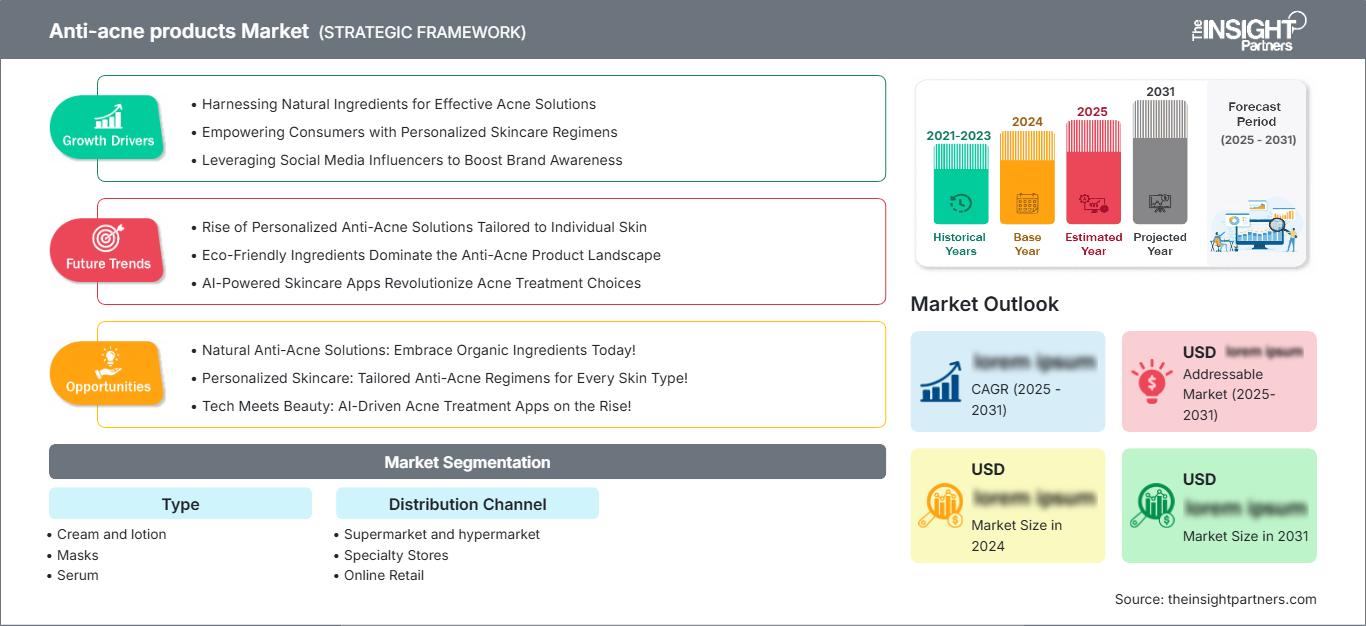
ニキビ対策製品市場: 戦略的洞察
-
このレポートの主要な市場動向を入手してください。この無料サンプルには、市場動向から見積もりや予測に至るまでのデータ分析が含まれます。
Regional Insights
North America anti-acne products market
North America accounted for 34–38% anti-acne products market share in 2025 and is projected to expand at a CAGR of 7.8–8.6% through 2034. There is high knowledge about skin diseases, a good level of spending on personal care products, and easy availability of over-the-counter therapies that will keep the market demand intact. Consumers look for products that offer both the treatment of acne and hydration and barrier repair, as well as anti-inflammatory benefits.
The market in this region has developed a retail structure and is highly involved with international skincare firms. Digital health solutions, dermatological consultations, and tailored skincare solutions have greatly helped in enhancing the uptake of treatment. The premium formulations and scientifically-proven ingredients form the core of purchase decisions, especially in the USA and Canada.
U.S. anti-acne products market
The U.S. represented 78–82% of North America in 2025 and is forecast to record a CAGR of 7.9–8.7%. The presence of a substantial customer base, the acne occurrence rate in both teens and adults, and an existing dermatology network are contributing factors to market strength. It becomes important for retail pharmacies, e-commerce sites, and beauty product specialists to participate actively in making products more accessible.
Key players in the market operate with a notable business presence on account of their brands, new product launches, and research. Products that contain salicylic acid, benzoyl peroxide, retinoids, and ingredients good for microbiomes are now popular with consumers.
Europe anti-acne products market
Europe held 24–28% of the market in 2025 and is expected to expand at a CAGR of 8.0–8.8%. The region benefits from strong consumer awareness, sophisticated cosmetic industries, and stringent product-quality standards. Growth remains supported by pharmacy distribution channels, increasing focus on skin health, and preference for clinically tested formulations.
Germany leads regional demand due to its established skincare manufacturing base and strong pharmaceutical presence. The United Kingdom records healthy adoption supported by premium skincare consumption and growing online beauty purchases. France benefits from its influential dermocosmetic sector, while Italy and Spain continue expanding through rising skincare awareness, improved specialty retail access, and growing demand for targeted facial treatment products.
APAC anti-acne products market
Asia Pacific accounted for 28–32% of global revenue in 2025 and is forecast to expand at a CAGR of 10.8–11.8%, making it the fastest-growing regional market. China remains the leading country, supported by extensive skincare consumption and digital commerce penetration.
Japan, South Korea, India, and Australia contribute significantly through innovation, beauty-conscious consumers, and expanding dermatology awareness. Government support for consumer healthcare standards and growing middle-class populations further strengthen regional prospects while accelerating premium skincare adoption.
Middle East & Africa anti-acne products market
The Middle East & Africa market is expected to grow at a CAGR of 8.4–9.2% through 2034. Saudi Arabia and the UAE benefit from modern retail networks, rising beauty expenditures, and increasing acceptance of advanced skincare products.
South Africa remains an important market within the region, while broader MEA growth is supported by urbanization and expanding consumer awareness. Improving healthcare infrastructure and digital retail accessibility are expected to enhance product availability across multiple emerging markets.
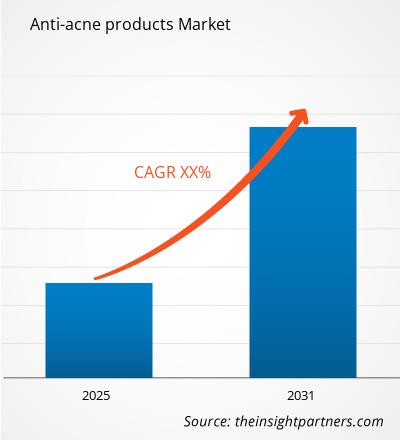
セグメンテーション分析
タイプ
2026年から2034年にかけて、このタイプの市場は年平均成長率(CAGR) 9.0~9.8%で成長すると予測されています。消費者がニキビの重症度、肌質、治療の好みに合わせてカスタマイズされたソリューションを求めるにつれ、製品形態全体にわたる市場規模は拡大し続けています。製品イノベーションは、治療効果と保湿、バリア機能のサポート、利便性を組み合わせることにますます重点を置いており、幅広い層の消費者に広く受け入れられるようになっています。
- クリームとローション:消費者の間で馴染みやすく、皮膚科医が推奨するスキンケアルーチンとの相性も良いため、局所的な治療や維持療法に広く使用されています。
- マスク:徹底的な洗浄、皮脂コントロール、そして目に見える肌質改善効果への需要に支えられ、定期的な集中ケア用途での使用が増加している。
- 美容液:濃縮された有効成分と、より幅広いスキンケア習慣を補完する精密なトリートメントアプローチを求める消費者に人気があります。
- 洗顔料:毎日の使用頻度、入手しやすさ、そして日常的な洗顔習慣への組み込みやすさから、最大の製品カテゴリーとなっている。
流通チャネル
流通チャネルは、予測期間中に年平均成長率(CAGR)9.3~10.1%で成長すると予想されます。消費者の購買行動は、利便性、製品比較機能、幅広い品揃えへと引き続きシフトしています。デジタルコマースは依然として影響力を持っていますが、実店舗での小売は、ブランドの発見や即時購入のニーズを満たす上で依然として重要です。
- スーパーマーケットとハイパーマーケット:大衆市場へのアクセス性と高い商品視認性を確保し、利便性と競争力のある価格を求める消費者を引き付ける上で重要である。
- 専門店:プレミアムなポジショニング、専門家による推奨、皮膚科医向けの製品ポートフォリオへのアクセスを実現する上で不可欠。
- オンライン小売:利便性、消費者レビュー、デジタルマーケティング、そして消費者直販ビジネスモデルによって急速に拡大しているチャネル。
機会の概要
|
セグメント名 |
収益貢献 |
トレンドタグ |
導入段階 |
|
クリームとローション |
高い |
バリアケア |
成熟した |
|
マスク |
中くらい |
ディープクレンジング |
スケーリング |
|
血清 |
高い |
アクティブプレシジョン |
スケーリング |
|
洗顔料 |
高い |
日常のルーティン |
成熟した |
ニキビ対策製品市場の成長要因と影響分析
複数の年齢層でニキビの有病率が上昇している
ニキビは10代から成人まで幅広い年齢層で増加傾向にあり、予防と治療のためのスキンケア製品へのニーズは絶え間なく高まっています。肌の保護の重要性やニキビ跡の問題に対する認識の高まりにより、これらの治療法を早期かつ継続的に使用することが不可欠となっています。医療関連企業や皮膚科学団体は、エビデンスに基づいたスキンケア治療を重視しており、こうした治療法の利用が拡大しています。特に女性の間で多く見られる成人ニキビは、スキンケア製品業界にとって大きな収益源となっています。
eコマースとデジタルスキンケアエコシステムの拡大
デジタル小売プラットフォームは、商品の入手しやすさ、透明性、消費者教育を向上させることで、消費者の購買方法を変革しました。オンラインポータルでは、成分比較、レビュー評価、パーソナライズされたおすすめ情報などを閲覧できます。美容インフルエンサー、遠隔皮膚科相談、AI搭載の肌分析システムなども、購買決定における重要な要素となっています。サブスクリプションモデルや消費者直販マーケティング手法により、企業は顧客を維持しながら、重要な消費者データを獲得できます。デジタルインタラクションの向上により、地理的な制約はなくなり、これまでサービスが行き届いていなかった市場への参入が容易になりました。その結果、企業は製品を効果的に流通させ、ブランドを構築する機会を得ることができます。
原料科学と製剤技術の進歩
成分と送達メカニズムの進歩により、治療効果が向上し、刺激に関する問題も軽減されています。現在では、ニキビ治療成分と肌を落ち着かせる成分や保湿成分を配合した製品が開発されており、消費者の継続使用を容易にしています。マイクロバイオームに適合した成分、カプセル化技術、複合製品は、ブランドの差別化に貢献しています。科学的根拠と皮膚科医の推奨は、重要な差別化要因となり、ブランドが大規模な臨床試験を実施し、研究協力に取り組む動機となっています。こうした進歩は、ブランドが様々な肌の状態に対応する製品を開発し、多機能スキンケア製品へのニーズに応えるのに役立っています。
ニキビ対策製品市場の将来動向
皮膚科医の知見に基づいた、パーソナライズされたスキンケアソリューション
ニキビ治療製品市場のトレンドは、デジタル診断、消費者データ分析、AIを活用したスキンケア推奨などによって支えられる、パーソナライズされた治療経路へとますますシフトしています。ブランド各社は、肌の敏感さ、ニキビの重症度、環境要因、ライフスタイルパターンに基づいて、製品のカスタマイズ機能を拡大していくことが期待されます。パーソナライズされた定期購入サービス、オンライン相談、アルゴリズムによる製品マッチングは、治療効果と顧客維持率の向上に貢献するでしょう。パーソナライゼーション技術がより身近になるにつれ、企業は差別化を強化しつつ、個々のニーズに合わせたスキンケア体験に対する消費者の期待に応える機会を得ることになります。この方向性は、今後の製品開発や市場投入戦略に大きな影響を与える可能性があります。
皮膚バリア機能とマイクロバイオーム保護の統合
今後の技術進歩は、ニキビ治療の効果と肌の健全性を維持する効果を両立させた製剤の開発に重点を置くでしょう。成分メーカーは、マイクロバイオームの維持に役立つ成分、穏やかな角質除去システム、そして従来の治療法による肌への刺激を最小限に抑えるバリア修復システムを開発しています。規制当局による成分の透明性への注目も、企業が科学的に証明された製剤を開発する動機付けとなるでしょう。消費者は、ニキビを治療しながら肌の水分レベルを維持できる製品を求めています。今後の技術進歩により、多機能性製品の開発が進み、商業的な成功につながるでしょう。
ニキビ対策製品の市場機会
新興国におけるプレミアム製品の拡大
アジア太平洋、中東、および一部のラテンアメリカ諸国で中間層人口が増加していることは、高級スキンケアブランドにとって大きなチャンスを生み出しています。ニキビ対策製品市場の予測では、消費者が肌の健康と成分の有効性についてより多くの知識を持つようになるにつれて、科学的に検証された処方に対する需要が高まっていることが示されています。企業は、地域に合わせた製品ポートフォリオ、戦略的な小売パートナーシップ、およびデジタルエンゲージメントイニシアチブを通じて利益を上げることができます。消費者が基本的なスキンケアルーチンから専門的な治療製品に移行している地域では、高級化が特に魅力的です。教育への投資、インフルエンサーとのコラボレーション、および皮膚科医とのパートナーシップは、持続可能な市場浸透と収益創出をサポートしながら、普及を加速するのに役立ちます。
多機能治療プラットフォームの開発
メーカーは、ニキビ、色素沈着、傷跡、保湿、そして肌バリア機能の回復といった様々な肌悩みに対応する製品を、単一のスキンケアプログラムで開発する機会を得ています。消費者は利便性と包括的なスキンケア効果をますます求めるようになっており、多機能ソリューションにとって好ましい環境が整っています。治療効果と美容効果を組み合わせることで、製品の差別化を図りながら、高価格帯の製品展開も可能になります。処方科学、臨床検証、消費者調査への戦略的な投資は、企業がより価値の高い市場セグメントを獲得する上で役立つでしょう。シンプルな手順で測定可能な効果を提供できるブランドは、顧客ロイヤルティを高め、長期的な競争力を強化する上で有利な立場にあります。
よくある質問

- 包括的な市場規模および予測分析
- 詳細なセグメンテーション分析
- 市場動向(ダイナミクス)の徹底的な評価
- 地域および国別のインサイト
- 競争環境および企業ベンチマーク
- 戦略的ビジネスインテリジェンス
お客様の声

Insight PartnersのSCADAシステム市場レポートは包括的で、現在のトレンドと将来の予測に関する貴重な洞察が含まれています。チームは終始、非常にプロフェッショナルで、対応が早く、サポートも充実していました。私たちは彼らのサービスに非常に満足しており、強くお勧めします。
ラン・ケデム パートナー, レアリテクノロジーズ株式会社
非常に特殊なソフトウェア市場に関するレポートを依頼したところ、チームは数日でレポートを作成してくれました。情報は非常に関連性が高く、分かりやすくまとめられていました。その後、レポートにいくつか修正と追加を依頼しましたが、チームは非常に迅速に対応し、1週間も経たないうちに最終レポートを受け取ることができました。
ジャン=エルヴェ・ジェン 会長, フューチャー・アナリティカ
重要な市場調査と予測のために、The Insight Partnersと協力しました。彼らは機会とリスクに関する明確な洞察を提供し、私たちの計画策定に役立ちました。彼らの調査は使いやすく、確かなデータに基づいており、賢明で自信に満ちた意思決定に役立ちました。彼らを強くお勧めします。
ピユーシュ・ナグパル 上級副社長, ハイビームグローバル
Insight Partnersは、深い専門知識に基づき、洞察力に富み、構造化された市場調査を提供しました。チームは終始プロフェッショナルで、対応力も抜群でした。ユーザーフレンドリーなウェブサイトにより、業界レポートへのアクセスもスムーズでした。信頼性の高い高品質な調査サービスをお探しなら、Insight Partnersを強くお勧めします。
安達幸彦 最高経営責任者(CEO), ディープブルーLLC。
The Insight Partnersから市場レポートを購入するのは今回が初めてです。最初は不安でしたが、ウェブサイトを見て、リスクを負ってでも購入してみようという気持ちになりました。レポートの品質とカスタマーサービスには大変満足しています。最初のレポートにはいくつか質問やコメントがありましたが、アナリストとメールで何度かやり取りした結果、戦略策定プロセスへのインプットとして活用できるレポートが完成しました。貴重なお時間を割いていただき、貴重な体験をさせていただき、誠にありがとうございました。他の方にもぜひお勧めしたいですし、今後さらに市場データが必要になった際には、まずThe Insight Partnersにご連絡させていただきます。
ジョン・スズキ 社長兼最高経営責任者、取締役, BKテクノロジーズ
ナイジェリアの感染症IVD市場に関する情報提供依頼に対し、ご対応いただいた際、ご尽力とプロフェッショナルな姿勢に深く感謝申し上げます。忍耐強く、的確なアドバイスをいただき、また、最終的に取引成立に至った割引のご提供にも深く感謝申し上げます。今回の最初の出会いで得た強い印象のおかげで、今後もThe Insight Partnersとの連携を心待ちにしております。
チジオケ博士 オニア マネージングディレクター, パインクレストヘルスケア株式会社購入理由
- 情報に基づいた意思決定
- 市場動向の理解
- 競合分析
- 顧客インサイト
- 市場予測
- リスク軽減
- 戦略計画
- 投資の正当性
- 新興市場の特定
- マーケティング戦略の強化
- 業務効率の向上
- 規制動向への対応



















 無料サンプルを入手 -