Surging Demand for High-Performance Lubricants Fuels Global Ester for Synthetic and Bio-Based Lubricants Market Growth
According to the latest market study on “Global Ester for Synthetic and Bio-Based Lubricants Market Forecast to 2031 – Global and Regional Share, Trend, and Growth Opportunity Analysis – by Ester Type, Lubricant Type, Application, and End Use,” the market size is projected to reach US$ 9.54 billion by 2031 from US$ 6.85 billion in 2024. The market is expected to register a CAGR of 5.0% from 2025 to 2031. The report highlights key factors contributing to the global ester for synthetic and bio-based lubricants market size and prominent players, along with their developments in the market.
Lubricants play a crucial role in keeping machinery or engines well functioning, along with maintaining their good condition without any difficulties. Although standard lubricants are enough for machines delivering everyday applications, high-stress environments and demanding conditions prevailing in the automotive, aviation, motorsports, and manufacturing industries require high-performance lubricants. Various industrial machines operate in high-temperature and high-stress environments, such as furnaces, heavy-duty engines, and kilns, which can cause the breakdown of conventional lubricants, resulting in increased wear, friction, and even catastrophic failures. Heavy-duty machinery in the construction and mining sector also operates under intense pressure, and standard lubricants may not withstand these conditions. Esters derived from organic and inorganic sources have a uniform structure and polarity, and offer multiple high-performance lubricant functions. As an additive or base stock, they aid in improved cleanliness and sludge control, enhanced solubility of other additives, and affinity for metal surfaces. These properties allow esters to form strong boundary lubricating films on metal surfaces, reducing wear and friction, along with contributing to smoother engine operation and prolonged engine life. Such properties of esters drive their demand as high-performance lubricants, contributing to the global ester for synthetic and bio-based lubricants market growth.
Global Ester for Synthetic and Bio-Based Lubricants Market Analysis
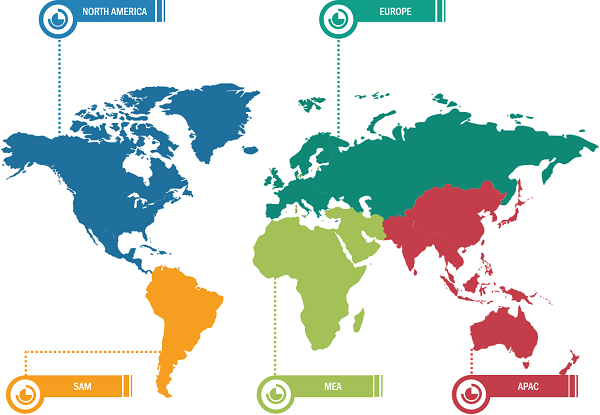
Ester for Synthetic and Bio-Based Lubricants Market Size & Emerging Trends 2031
Download Free SampleEster for Synthetic and Bio-Based Lubricants Market Size and Forecast (2021 - 2031), Global and Regional Share, Trend, and Growth Opportunity Analysis Report Coverage: By Ester Type [Monoesters, Diesters, Polyol Esters (Trimethylolpropane Esters, Pentaerythritol Esters, Neopentyl Glycol Esters, Trimethylol Ethane Esters, and Dipentaerythritol Esters), Trimellitate Esters, Complex Esters, and Others], Lubricant Type (Synthetic Lubricants and Biobased Lubricants), Application [Engine Oil (MCO, PCMO, HDEO, and Other Engines), Compressor Oil, (Refrigeration, Air Compressors, Natural Gas Compressors, and Others Compressors), Hydraulic Fluids, Gear Oil, Transmission Oil, Coolants, and Others], and End Use [Automotive (Conventional Vehicles and Electric Vehicles), Textile, Marine, Mining and Metallurgy, Aviation, Energy and Power, and Others]
The global ester for synthetic and bio-based lubricants market trends include the rising popularity of environment-friendly and sustainable variants. The focus on environment-friendly and sustainable solutions has been increasing worldwide due to the growing concerns about the harmful environmental impact of synthetic materials. Unlike conventional lubricants derived from petroleum, bio-based lubricants are made from renewable, plant-based sources such as vegetable oils. They are biodegradable and nontoxic, and they contribute to lower greenhouse gas emissions during production and use. Additionally, bio-based lubricants help improve thermal stability and oxidative resistance, enhancing the longevity and performance of machinery. The preference for environmental compatibility, longer product life, and high performance has also driven a shift away from traditional mineral oil lubricants to synthetic and quasi-synthetic oils and bio-lubricants in various sectors. Industries such as automotive, manufacturing, agriculture, and marine are at the forefront of adopting bio-based lubricants.
Emery Oleochemicals, BASF SE, Kao Corp, Lanxess, Cargill Inc, Evonik Industries AG, Exxon Mobil Corp, Polynt SpA, Zschimmer & Schwarz Chemie GmbH, IOI Corporation Berhad, ABITEC, Esterchem Ltd, Teknor Apex, Kôach Pacific Speciality Oils, and Peter Greven GmbH & Co. KG are prominent players profiled in the global Ester for synthetic and bio-based lubricants market report.
Global Ester for Synthetic and Bio-Based Lubricants Market Report Segmentation:
Based on ester type, the global ester for synthetic and bio-based lubricants market is segmented into monoesters, diesters, polyol esters (trimethylolpropane esters, pentaerythritol esters, neopentyl glycol esters, trimethylol ethane esters, and dipentaerythritol esters), trimellitate esters, complex esters, and others. The diesters segment held the largest global ester for synthetic and bio-based lubricants market share in 2024. By lubricant type, the market is bifurcated into synthetic lubricants and biobased lubricants. The synthetic lubricants segment held a larger ester for synthetic and bio-based lubricants market share in 2024. In terms of application, the global ester for synthetic and bio-based lubricants market is categorized into engine oil, compressor oil, hydraulic fluids, gear oil, transmission oil, coolants, and others. The market for engine oil is segmented into MCO, PCMO, HDEO, and other engines. Moreover, the market for compressor oil is subsegmented into refrigeration, air compressors, natural gas compressors, and other compressors. The global Ester for synthetic and bio-based lubricants market for the compressor oil segment is driven by the need for high-performance lubricants that can withstand extreme pressures, temperatures, and continuous operations.
Based on end use, the global ester for synthetic and bio-based lubricants market is segmented into automotive (conventional vehicles and electric vehicles), textile, marine, mining and metallurgy, aviation, energy and power, and others. The automotive segment held the largest share of the market in 2024. The automotive segment is one of the major end-use areas of ester-based synthetic lubricants and biolubricants, driven by the increasing demand for high-performance, fuel-efficient, and environmentally friendly lubrication solutions. Esters are widely utilized in automotive applications due to their excellent thermal stability, superior lubricity, high viscosity index, and low volatility. These properties make them ideal for use in engine oils, transmission fluids, gear oils, and grease, where they contribute to reduced friction, enhanced wear protection, and extended drain intervals.
Contact Us
Phone: +1-646-491-9876
Email Id: sales@theinsightpartners.com