Increasing Prevalence of Chronic Wounds Driven by Diabetes Drives Negative Pressure Wound Therapy Devices Market Growth
According to our latest study, “Negative Pressure Wound Therapy Devices Market Size and Forecast (2021–2031), Global and Regional Share, Trend, and Growth Opportunity Analysis – by Product, Wound Type, End User, and Geography," the market was valued at US$ 3.61 billion in 2025 and is expected to reach US$ 6.76 billion by 2034; it is estimated to register a CAGR of 7.5% during 2026–2034. The report includes prospects owing to the current negative pressure wound therapy devices market trends and their foreseeable impact during the forecast period.
Chronic diseases such as diabetes, vascular disorders, and obesity elevate the risk of wounds that are slow to heal or prone to complications. Diabetes often leads to diabetic foot ulcers, a form of chronic wound that can become non?healing without advanced intervention. This clinical burden creates sustained demand for NPWT devices, which help remove exudate, enhance perfusion, and stimulate tissue granulation, promoting faster wound closure and reducing infection risk.
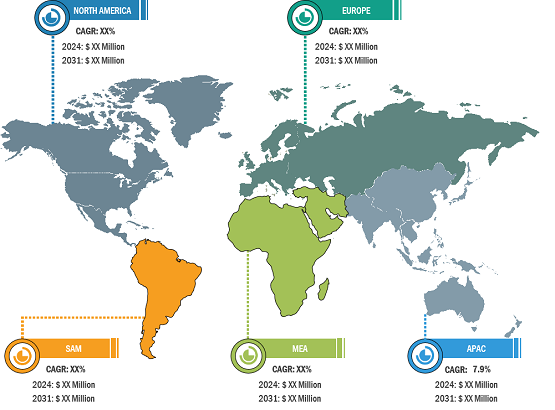
Negative Pressure Wound Therapy Devices Market Analysis — by Geography
Negative Pressure Wound Therapy Devices Market Size & Demand by 2034
Download Free Sample
Negative Pressure Wound Therapy Devices Market Size and Forecast (2021 - 2034), Global and Regional Share, Trend, and Growth Opportunity Analysis Report Coverage: By Product (Conventional NPWT Devices, Single-use NPWT Devices, and NPWT Accessories), Wound Type (Chronic Wounds [Diabetic Foot Ulcers, Pressure Ulcers, Venous Leg Ulcers, and Other Chronic Wounds], Acute Wounds [Surgical and Traumatic Wounds, Burns]), End User (Hospitals, Specialty Clinics, Homecare Settings, and Others), and Geography (North America, Europe, Asia Pacific, Middle East and Africa, and South and Central America)
Negative Pressure Wound Therapy Devices Market Size & Demand by 2034
Download Free SampleNegative Pressure Wound Therapy Devices Market Size and Forecast (2021 - 2034), Global and Regional Share, Trend, and Growth Opportunity Analysis Report Coverage: By Product (Conventional NPWT Devices, Single-use NPWT Devices, and NPWT Accessories), Wound Type (Chronic Wounds [Diabetic Foot Ulcers, Pressure Ulcers, Venous Leg Ulcers, and Other Chronic Wounds], Acute Wounds [Surgical and Traumatic Wounds, Burns]), End User (Hospitals, Specialty Clinics, Homecare Settings, and Others), and Geography (North America, Europe, Asia Pacific, Middle East and Africa, and South and Central America)
Source: The Insight Partners Analysis
Clinical evidence supports the effectiveness of NPWT in healing diabetic foot ulcers more effectively than some traditional therapies, with multiple randomized trials showing improved outcomes in such chronic wounds. In June 2025, the FDA granted 510(k) clearance for the Nisus ONE NPWT System, underscoring ongoing regulatory support for NPWT systems designed for both clinical and home use.
As populations around the world grow older and lifestyle related diseases become more common, the number of patients who need advanced wound care keeps rising. Pressure ulcers and venous leg ulcers particularly affect older adults and those with chronic health conditions. Healthcare analytics reports highlight that the growing incidence of chronic wounds, especially those linked to diabetes and vascular insufficiency, is a key driver behind the expansion of the NPWT market.
In July 2024, AOTI’s NEXA NPWT system received FDA 510(k) clearance, expanding its approved use to chronic and home care settings and reflecting regulatory confidence in NPWT for long-term wound management outside hospitals. This combination of aging populations, rising disease prevalence, and supporting clinical evidence highlights how the growing burden of chronic wounds is fueling the negative pressure wound therapy devices market growth.
Cardinal Health Inc; Smith & Nephew Plc; DeRoyal Industries Inc; Medela AG; Paul Hartmann AG; Pensar Medical; 3M Co; Molnlycke Health Care AB; and Lohmann & Rauscher GmbH & Co. KG are among the key players profiled in the negative pressure wound therapy devices market report. Other players were also studied and analyzed during the market study to get a holistic view of the market and its ecosystem.
The report includes the negative pressure wound therapy devices market forecast by Product, Wound Type, and End Users. Based on Product, the global negative pressure wound therapy devices market is segmented into conventional NPWT devices, single-use NPWT devices, and NPWT accessories. Conventional NPWT devices are primarily driven by their widespread adoption in hospitals, long-term care facilities, and specialized wound care centers. These systems are designed for repeated use, consisting of a durable pump unit paired with disposable dressings and canisters. Their ability to deliver consistent and adjustable negative pressure makes them suitable for managing complex, chronic, and post-surgical wounds.
Healthcare providers prefer conventional NPWT devices due to their proven clinical efficacy, robust performance, and suitability for inpatient settings where continuous monitoring is available. Although the initial investment in capital is relatively high, the long-term cost efficiency becomes favorable in high-volume facilities. Advancements in pump technology, noise reduction, and digital monitoring features have enhanced usability and patient comfort. This segment held the largest negative pressure wound therapy devices market share in 2024.
The scope of the negative pressure wound therapy devices market report focuses on North America (the US, Canada, and Mexico), Europe (Spain, the UK, Germany, France, Italy, and the Rest of Europe), Asia Pacific (South Korea, China, India, Japan, Australia, and the Rest of Asia Pacific), the Middle East & Africa (South Africa, Saudi Arabia, the UAE, and the Rest of Middle East & Africa), and South & Central America (Brazil, Argentina, and the Rest of South & Central America). North America dominated the market in 2024, followed by Europe and North America.
The negative pressure wound therapy devices market in Asia Pacific is segmented into Australia, China, Japan, India, South Korea, and the Rest of Asia Pacific. In terms of revenue, China held the largest negative pressure wound therapy devices market share in APAC. The market in China is supported by expanding healthcare infrastructure and significant demand for advanced wound management. The growing burden of chronic illnesses such as diabetes and vascular diseases has fueled greater clinical need for effective therapies that reduce healing time and complications. Local manufacturing capacity has increased the availability of cost?competitive NPWT systems, making them accessible across public hospitals, private clinics, and home care settings.
Government initiatives to enhance wound care services and improve access in county?level facilities have also played a role in driving uptake. In addition, rising surgical volumes and greater use of evidence?based practices are compelling clinicians to adopt NPWT for both acute and chronic wounds. In July 2024, 4L Health announced that its Foryou NPWT product line received EU MDR certification. This certification supports both domestic confidence and export potential for Chinese?manufactured NPWT systems, driving innovation and wider clinical uptake. Urbanization and increased healthcare spending are enabling broader market penetration.
Contact Us
Phone: +1-646-491-9876
Email Id: sales@theinsightpartners.com