
Transradial Access Market Key Players and Forecast by 2027
Published Report - Transradial Access Market to 2027 - Global Analysis and Forecasts By Product (Catheters, Guidewire, Sheath and Sheath Introducer and Accessories); Application (Drug Administration, Diagnostics and Testing, Fluid and Nutrition Administration and Blood Transfusion); End User (Hospitals and Clinics, Ambulatory Surgical Centers and Others) and Geography
- Status : Published
- Report Code : TIPAR100000955
- Category : Life Sciences
- No. of Pages : 164
- Available Report Formats :


- Last update date : March 07, 2022


2018 Market Size
US$ 1.57 Bn
Base year value
2027 Forecast
US$ 2.96 Bn
Projected by 2027
CAGR 2019-2027
7.7 %
Growth rate
Addressable Market
US$ 20.85 Bn
(2019-2027)
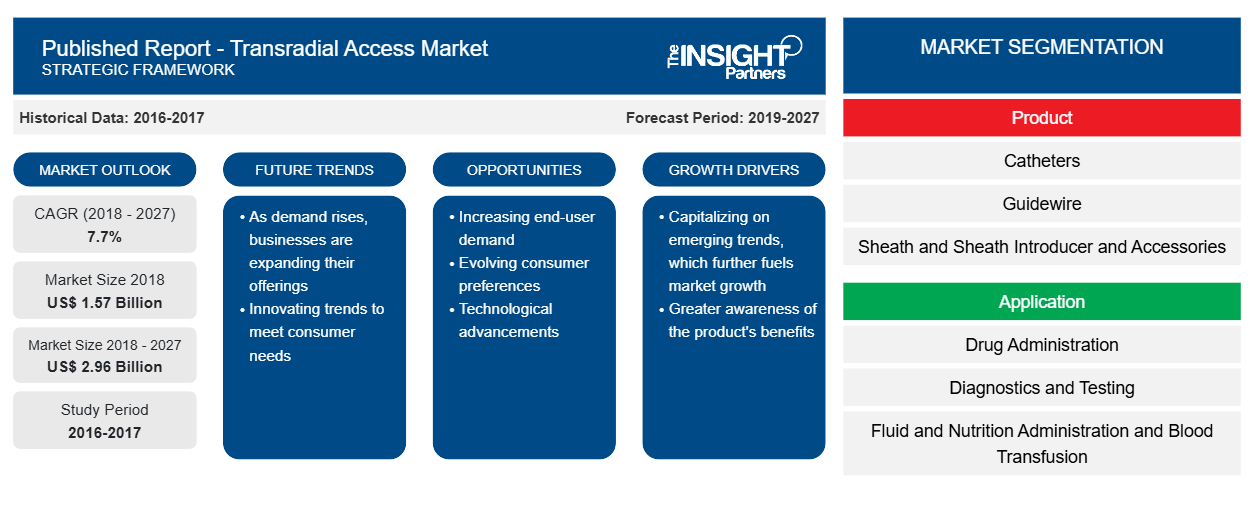
The Transradial Access in healthcare market was valued at US$ 1,574.97 million in 2018 and it is projected to reach US$ 2,961.79 million by 2027; it is expected to grow at a CAGR of 7.7% from 2019 to 2027.
Transradial catheterization is an endovascular procedure or catheterization procedure done for the diagnosis and treatment of arterial disease. Transradial artery access for percutaneous coronary intervention is related to lower bleeding and vascular complications than transfemoral artery access, particularly in patients with acute coronary syndromes. The growth of the Transradial Access in healthcare market is attributed to the rising inclination for interventional procedures using radial artery access, increasing prevalence of obesity & lifestyle diseases and growing use of radial access devices in pediatric patients play vital role in the growth of the transradial access market. However, the restraints such as product recalls & failures and high costs of vascular access devices are likely to impact the growth of the market in the forecast period.
The Transradial Access in healthcare market is expected to witness substantial growth post-pandemic. The Transradial Access in healthcare market is expected to witness substantial growth post-pandemic. The COVID-19 has affected economies and industries in various countries due to lockdowns, travel bans, and business shutdowns. The COVID-19 crisis has overburdened public health systems in many countries and highlighted the strong need for sustainable investment in health systems. As the COVID-19 pandemic progresses, the healthcare industry is expected to see a drop in growth. The life sciences segment thrives due to increased demand for invitro diagnostic products and rising research and development activities worldwide. However, the medical technologies and imaging segment is witnessing drop in sales due to a smaller number of surgeries being carried out and delayed or prolonged equipment procurement. Additionally, virtual consultations by healthcare professionals are expected to become the mainstream care delivery model post-pandemic. With telehealth transforming care delivery, digital health will continue to thrive in coming years. In addition, disrupted clinical trials and the subsequent delay in drug launches is also expected to pave the way for entirely virtual trials in the future. New technologies such as mRNA is expected to emerge and shift the pharmaceutical industry and market is also expected to witness more vertical integration and joint ventures in coming years.
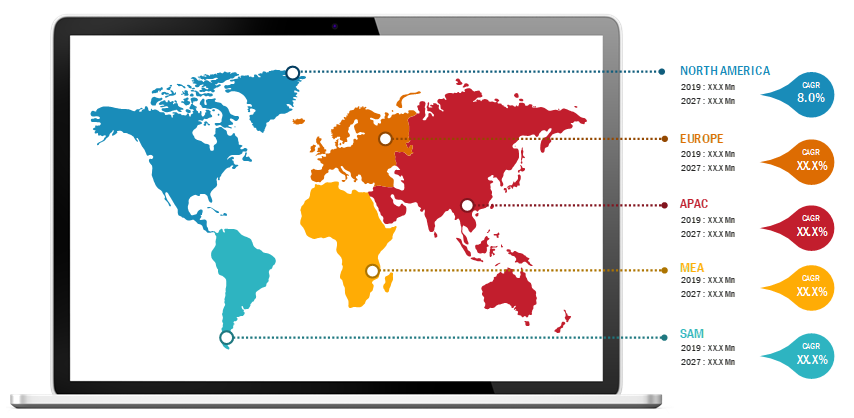
Lucrative Regions for Transradial Access in Healthcare Market
- This FREE sample will include data analysis, ranging from market trends to estimates and forecasts.
Market Insights
Growing Applications of Transradial Access in Healthcare to Drive Transradial Access in Healthcare Market Growth
Earlier, the majority of coronary procedures were been performed with the femoral artery. However, after the development of transradial approach, numerous studies confirmed that this method is related with an important minimization in vascular difficulties, comparable procedure times and radiation exposure to femoral procedures, the ability to perform complex coronary interventions, initial ambulation and patient preference.
Some of the advantages of a transradial approach include instant ambulation, whereas, there is complete bed rest after femoral procedures. The cost of transradial procedure is lower as compared to femoral, needs less post-procedure nursing care, and it has reduced hospital stay and cost.
Radial access for cardiac catheterization and intervention is also preferred in developing nations such as India. The procedure has been rising gradually over the last few years with promising clinical outcomes. India has also shown a similar trend of increasing TRI practice and acceptance over the last decade.
The development of percutaneous procedures to detect and treat coronary artery disease has changed many patients’ lives. Patients with limiting symptoms can be returned to full activity by percutaneous coronary intervention (PCI), with a low risk of procedure related cardiac events. Patients prefer radial access to the femoral approach in the percutaneous coronary intervention (PCI). This shows the early mobilization due to transradial technique. According to a data published in National Center for Biotechnology Information (NCBI), out of the 200 stable patients studied to coronary angiography by using either the radial or femoral approach. The patients had strong preference for the radial approach, with 80% preferring the radial approach and only 2% preferring the femoral approach.
Therefore, the radial approach almost eradicates access site complications after PCI, even in patients treated with aggressive antithrombotic regimens, and allows rapid movement of the patient. Hence, transradial PCI has major advantages both in unstable patients with acute coronary syndromes. Transradial procedures are preferred by patients, than femoral approach, they are also related with reduced costs.
There are several training courses that offer useful advice to inexperienced radial operators. The professionals are trained before tackling with complex cases of PCI. The necessary skills are simpler to acquire than those for the brachial technique. The procedure failure rates, fluoroscopy time, sheath insertion time, and duration of procedure are all reduced after experienced femoral operators have performed approximately 20 transradial coronary angiograms.
Thus, owing to the increasing inclination of patients for transradial access procedures for PCI and other surgeries, the transradial access devices have several opportunities in the market to grow during the forecast period.
Obesity, sedentary lifestyle and improper diet play a major role in increasing diabetes among the population worldwide. Physical activity is important to maintain the blood glucose level. The lack of exercise and unhealthy diet such as diet high in fat and calories increase the risk for the development of obesity and diabetes.
Obesity is one of the major problem and the biggest concern in all the communities across the globe. Currently, more than one in two adults and nearly one in six children are obese. Obesity is one of the major issue affect people of all ages and incomes globally. According to World Health Organization (WHO), in 2016, more than 1.9 billion adults aged 18 years and older were overweight. And out of these over 650 million adults were obese.
Diabetes is a life-threatening chronic disease with no specialized cure. It is mainly caused by the body’s inability to produce or effectively utilize the hormone insulin. This inability prevents the body from adequately regulating blood glucose levels. There are two types of diabetes namely diabetes type-I also known as diabetes insipidus and diabetes type-II also termed as diabetes mellitus. Incidences and prevalence of diabetes is steadily increasing across the globe. Type 2 diabetes is the most prevalent form of diabetes and has increased alongside cultural and societal changes. In high-income countries up to 91% of adults with the disease have type 2 diabetes. According to International Diabetes Federation (IDF), approximately 425 million people were living with diabetes in 2017 and it is expected to reach 629 million by 2045 across the globe.
The cardiovascular diseases (CVDs) are the disorders of the heart and blood vessels and include cerebrovascular disease, coronary heart disease, rheumatic heart disease and other conditions. As per WHO data published in 2017, states that, in 2016, approximately 17.9 million people died from CVDs, which was 31.0% of all the global deaths. Among these approximately 85% were due to heart attack and stroke. Heart attacks and strokes are mainly caused due to fatty deposits that block the blood vessels that prevents blood from flowing to the heart or brain. Strokes are also caused due to bleeding from a blood vessel in the brain or from blood clots. Heart attacks and strokes are caused due to increased consumption of tobacco use, unhealthy diet and obesity, physical inactivity and rising alcohol consumption, hypertension, and diabetes.
High blood pressure is a common and hazardous disorder which is caused due to unhealthy lifestyle. According to American Heart Association, approximately 103 million U.S. adults have high blood pressure. The number is almost half of all adults in the United States. Due to the elderly population and improved life expectancy, the prevalence of high blood pressure is anticipated to increase in the future. Many youths are being diagnosed with high blood pressure. This common condition increases the risk for heart disease and stroke. The death rate from high blood pressure increased around 11% in the US between 2005 and 2015. High blood pressure affects around one third of adult population and is the most common cause of cardiovascular disease-related deaths.
Therefore, these lifestyle related diseases need treatment using transradial approach, so they are growing the demand of devices. Thus, owing to increasing prevalence of lifestyle related diseases the market for transradial access is likely to propel at a significant rate during the forecast period.
Vascular access is usually needed in hospitalized children for a variety of clinical indications. This requirement may range from short-term or temporary needs to long-term or even permanent access. Various options for vascular access are available to the physician who cares for children to meet the required treatment needs.
The use of radial access in children undergoing PCI can be safe, effective, and comfortable with marginal radiation exposure and may offer a safety advantage as compared to femoral access in infant patient population. At the time of considering radial access in the pediatric population, there are several procedural concerns that may progress the success and safety of the procedure. At first, deep sedation due to anesthesia should be carefully measured. Children may be more prone to anxiety with procedures, and a stronger than normal level of sedation will remove anxiety and minimize the spasm in the smaller radial arteries.
There are various types of kits that are available specific to arterial cannulation that comprises a catheter situated over a wire for fast and easy insertion. There is a 20-ga catheter which is an adequate size for older children and adults, and a 22-ga catheter that is preferred for pediatrics and infants. The brachial or femoral artery cannulation needs appropriate length catheters. The preferred length of a brachial or femoral arterial catheter is 15 cm for pediatric patients. The cannulation of radial artery in infants and small children can be challenging, even for experienced operators, especially after frequent ineffective efforts making complications such as hemorrhage and hematoma formation.
Therefore, radial access for PCI in the children are safe and feasible and may offer a decline in vascular complications and better patient comfort compared to femoral access. After all the strategies mentioned above, radial access may not be possible in all pediatric patients. The challenge of radial access for coronary angiography and PCI is in much younger and smaller patients and hence, patient selection is important for successful radial PCI in the infants. Thus, the adoption of radial access procedures in pediatric patients is expected to favor the growth of the market in the years to come.
Product-Based Insights
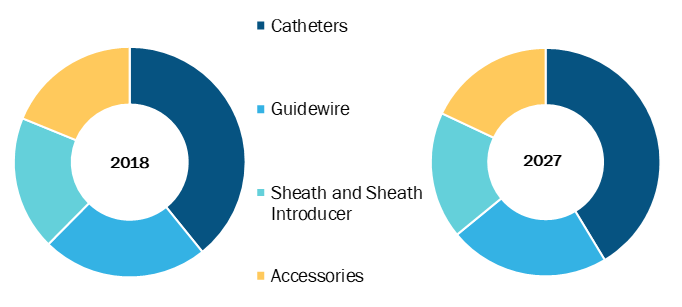
In terms of product, the Transradial Access in healthcare market is segmented into Catheters, Guidewire, Sheath and Sheath Introducer and Accessories. In 2018, the catheter segment held a largest market share of 49.5% of the transradial access market, by product. This segment is also expected to dominate the market in 2027 owing to patients’ preference for catheters for surgeries.
Transradial Access in Healthcare Market, by Product – 2018 and 2027
- This FREE sample will include data analysis, ranging from market trends to estimates and forecasts.
Application-Based Insights
Based on application, the Transradial Access in healthcare market is segmented into drug administration, diagnostics and testing, fluid and nutrition administration and blood transfusion. In 2018, the drug administration segment held a largest market share of 50.1% of the transradial access market, by application.
End User-Based Insights
In terms of end user, the Transradial Access in healthcare market is segmented into hospital and clinics, ambulatory surgical centers and others. In 2018, the hospitals & clinics segment held largest market share of 60.1% of the transradial access market, by end user.
● REPORT CUSTOMIZATION
Tailor This Report To Align With Your Specific Business Requirements
This report can be customized to align precisely with your business objectives, scope, and target markets. Customization options include tailored segmentation, geography, competitive analysis, and strategic insights to support informed decision-making.
Customize This Report →WHAT YOU CAN ADJUST
- ● Segmentations
- ● Geography
- ● Competitive Analysis
- ● Language Preferences
Published Report - Transradial Access Market: Strategic Insights
-
Get Top Key Market Trends of this report.This FREE sample will include data analysis, ranging from market trends to estimates and forecasts.
The Transradial Access in healthcare market players are adopting the product launch and expansion strategies to cater to changing customer demands worldwide, which also allows them to maintain their brand name globally.
Transradial Access in Healthcare Market – by Product
- Catheter
- Guidewire
- Sheaths & Sheath Introducers
- Accessories
Transradial Access in Healthcare Market – by Application
- Drug Administration
- Diagnosis & Testing
- Fluid and Nutrition Administration
- Blood Transfusion
Transradial Access in Healthcare Market – by End User
- Hospitals & Clinics
- Ambulatory Surgical Centres
- Others
Transradial Access in Healthcare Market – by Geography
-
North America
- US
- Canada
- Mexico
-
Europe
- France
- Germany
- Italy
- UK
- Spain
- Rest of Europe
-
Asia Pacific (APAC)
- China
- India
- South Korea
- Japan
- Australia
- Rest of APAC
-
Middle East & Africa (MEA)
- South Africa
- Saudi Arabia
- UAE
- Rest of MEA
-
South America and Central America (SCAM)
- Brazil
- Argentina
- Rest of SCAM
Company Profiles
- BD
- Terumo Corporation
- Teleflex Incorporated
- Medtronic
- Smiths Medical
- Ameco Medical
- Edward Lifesciences Corporation
- Merit Medical Systems
- Boston Scientific Corporation
- Nipro Medical Corporation
Published Report - Transradial Access Market Report Scope
| Report Attribute | Details |
|---|---|
| Market size in 2018 | US$ 1.57 Billion |
| Market Size by 2027 | US$ 2.96 Billion |
| Global CAGR (2018 - 2027) | 7.7% |
| Historical Data | 2016-2017 |
| Forecast period | 2019-2027 |
| Segments Covered |
By Product
|
| Regions and Countries Covered |
North America
|
| Market leaders and key company profiles |
|
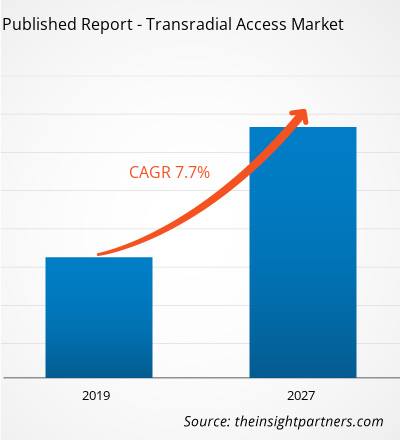
Published Report - Transradial Access Market Players Density: Understanding Its Impact on Business Dynamics
The Published Report - Transradial Access Market is growing rapidly, driven by increasing end-user demand due to factors such as evolving consumer preferences, technological advancements, and greater awareness of the product's benefits. As demand rises, businesses are expanding their offerings, innovating to meet consumer needs, and capitalizing on emerging trends, which further fuels market growth.
Frequently Asked Questions

- Comprehensive Market Sizing and Forecast Analysis
- Detailed Segmentation Analysis
- In-Depth Market Dynamics Assessment
- Regional and Country-Level Insights
- Competitive Landscape and Company Benchmarking
- Strategic Business Intelligence
Recent Reports
Testimonials

The Insight Partners' SCADA System Market report is comprehensive, with valuable insights on current trends and future forecasts. The team was highly professional, responsive, and supportive throughout. We are very satisfied and highly recommend their services.
RAN KEDEM Partner, Reali Technologies LTDs
I requested a report on a very specific software market and the team produced the report in a few days. The information was very relevant and well presented. I then requested some changes and additions to the report. The team was again very responsive and I got the final report in less than a week.
JEAN-HERVE JENN Chairman, Future Analytica
We worked with The Insight Partners for an important market study and forecast. They gave us clear insights into opportunities and risks, which helped shape our plans. Their research was easy to use and based on solid data. It helped us make smart, confident decisions. We highly recommend them.
PIYUSH NAGPAL Sr. Vice President, High Beam Global
The Insight Partners delivered insightful, well-structured market research with strong domain expertise. Their team was professional and responsive throughout. The user-friendly website made accessing industry reports seamless. We highly recommend them for reliable, high-quality research services
YUKIHIKO ADACHI CEO, Deep Blue, LLC.
This is the first time I have purchased a market report from The Insight Partners.While I was unsure at first, I visited their web site and felt more comfortable to take the risk and purchase a market report.I am completely satisfied with the quality of the report and customer service. I had several questions and comments with the initial report, but after a couple of dialogs over email with their analyst I believe I have a report that I can use as input to our strategic planning process.Thank you so much for taking the extra time and making this a positive experience.I will definitely recommend your service to others and you will be my first call when we need further market data.
JOHN SUZUKI President and Chief Executive Officer, Board Director, BK Technologies
I wish to appreciate your support and the professionalism you displayed in the course of attending to my request for information regarding to infectious disease IVD market in Nigeria. I appreciate your patience, your guidance, and the fact that you were willing to offer a discount, which eventually made it possible for us to close a deal. I look forward to engaging The Insight Partners in the future, all thanks to the impression you have created in me as a result of this first encounter.
DR CHIJIOKE ONYIA MANAGING DIRECTOR, PineCrest Healthcare Ltd.Reason to Buy
- Informed Decision-Making
- Understanding Market Dynamics
- Competitive Analysis
- Identifying Emerging Markets
- Customer Insights
- Market Forecasts
- Risk Mitigation
- Boosting Operational Efficiency
- Strategic Planning
- Investment Justification
- Tracking Industry Innovations
- Aligning with Regulatory Trends





 Get Free Sample for