Global AI in Retail and E-Commerce Market Forecast to 2034: Key Insights
According to our latest study on "Global AI in Retail and E-Commerce Market – Global and Regional Share, Trend, and Growth Opportunity Analysis – by Component, Deployment, Organization Size, and Geography," the AI in retail and e-commerce market size was valued at US$ 19.98 billion in 2025 and is expected to reach US$ 398.65 billion by 2034. The AI in retail and e-commerce market is estimated to register a CAGR of 40.3% during 2026–2034. Conversational AI and voice commerce are expected to act as future AI in retail and e-commerce market trend.
Conversational AI and voice commerce are emerging as transformative trends in the retail and e-commerce sector, redefining how customers interact with brands and make purchases. Conversational AI uses natural language processing (NLP), machine learning, and advanced chatbots to simulate human-like conversations, enabling businesses to provide instant, personalized customer support, product recommendations, and order management. Retailers are deploying AI-driven virtual assistants on websites, mobile apps, and messaging platforms to guide customers through their shopping journeys, answer queries, and offer tailored promotions in real time.
AI in Retail and E-Commerce Market
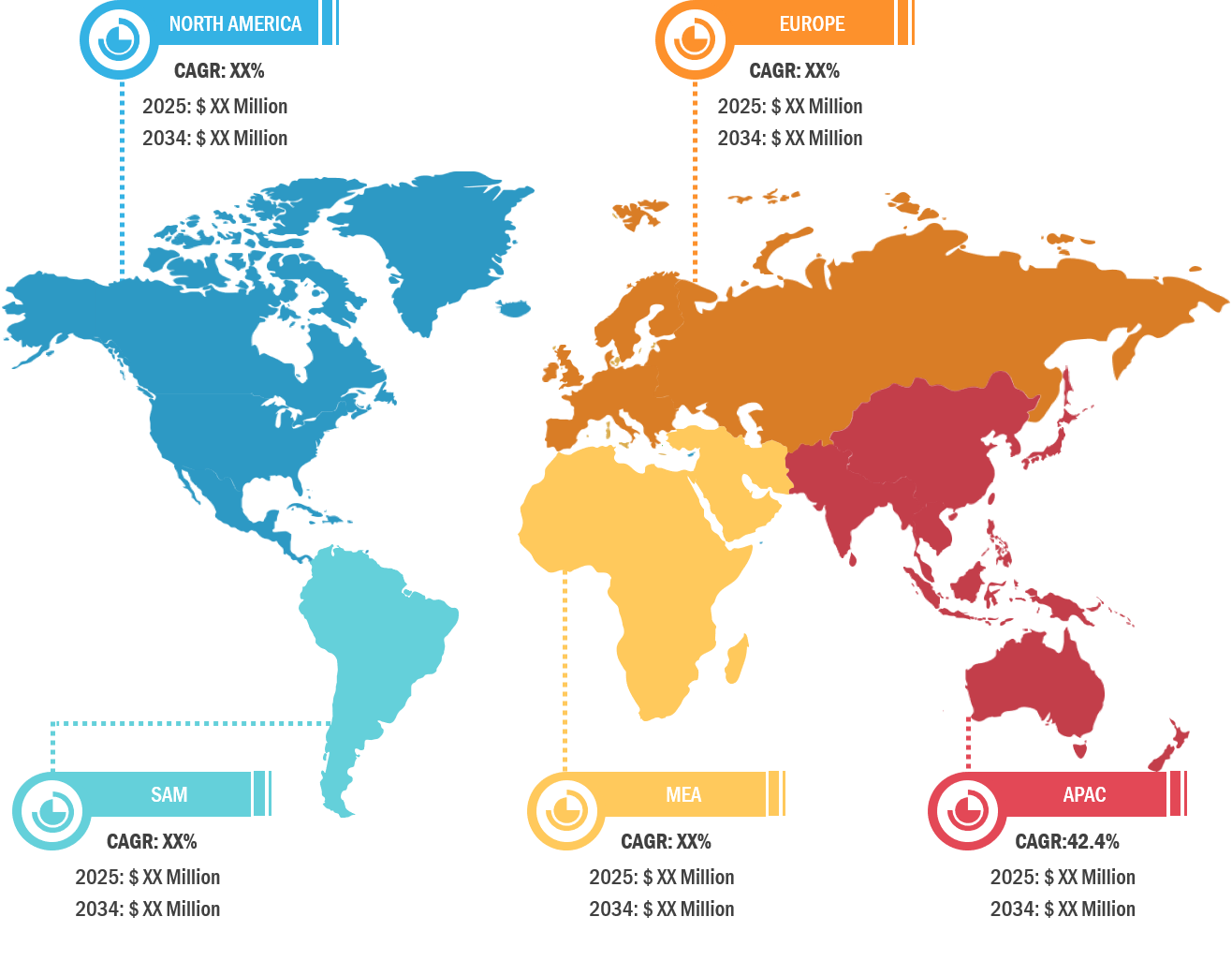
AI in Retail and E-Commerce Market Growth, Trends & Forecast by 2034
Download Free SampleAI in Retail and E-Commerce Market Size and Forecast (2021 - 2034), Global and Regional Share, Trend, and Growth Opportunity Analysis Report Coverage: By Component (Software, Hardware, and Services), Deployment (Cloud and On Premises), Organization Size (Large Enterprises and SMEs), and Geography (North America, Europe, Asia Pacific, Middle East and Africa, and South America)
Voice commerce, powered by AI-enabled smart speakers, virtual assistants, and voice search technologies, allows customers to make purchases and navigate e-commerce platforms using simple voice commands. This hands-free shopping experience improves convenience, accessibility, and engagement, particularly for on-the-go consumers. Retailers are leveraging voice analytics to understand consumer intent, predict purchasing behavior, and optimize product recommendations, enhancing sales and customer loyalty.
The integration of conversational AI and voice commerce also supports operational efficiency by automating routine customer service tasks, reducing response times, and freeing human agents for complex interactions. Moreover, with the rise of multilingual AI models, these solutions can cater to diverse global audiences, making shopping more inclusive.
As adoption grows, retailers investing in conversational AI and voice commerce platforms are likely to gain a competitive edge, providing seamless, personalized, and interactive shopping experiences. This trend is expected to accelerate in the coming years, shaping the future of digital retail and e-commerce worldwide.
Strategic Investments and Government Initiatives Drive Global AI in Retail and E-Commerce Market Growth
Global AI in retail and e-commerce market is driven by strategic investments and supportive government initiatives that aim to accelerate digital transformation in the sector. Retailers and e-commerce platforms are adopting AI-powered technologies to enhance operational efficiency, optimize supply chains, and deliver personalized customer experiences. For example, in October 2025, Walmart announced a US$1.2 billion investments in AI and automation technologies across its global stores and e-commerce platforms. This initiative focuses on integrating AI-driven inventory management, predictive analytics, and customer engagement tools to streamline operations and improve shopping experiences.
Governments worldwide are promoting AI adoption in retail through grants, funding programs, and innovation hubs. Policies supporting digital commerce, AI research, and smart retail infrastructure are enabling companies to scale AI solutions rapidly. AI adoption is bolstered by the rise of cloud-based platforms, advanced machine learning algorithms, and real-time analytics, which allow retailers to anticipate demand, detect fraud, personalize offers, and optimize pricing strategies.
The combination of private-sector investments and public support is driving faster adoption of AI across both online and offline retail channels, creating opportunities for enhanced customer satisfaction, cost savings, and operational agility. Retailers leveraging AI are not only able to optimize backend operations but also deliver predictive, data-driven experiences to consumers, making a core driver of AI in retail and e-commerce market growth.
Global AI in Retail and E-Commerce Market: Segmental Overview
The global AI in retail and e-commerce market report is segmented on the basis of component, organization size, and deployment. Based on component, the market is divided into hardware, software, and services. Based on deployment, the market is divided into cloud-based and on-premise. In terms of organization size, the AI in retail and e-commerce market is categorized into large enterprises and SMEs. The market is expected to witness tremendous growth in the coming years owing to the expanding industries, technological advancements, favorable government initiatives, and surging artificial intelligence usage in the retail and e-commerce sectors.
Based on component, the global AI in retail and e-commerce market is segmented into software, hardware, and services. The software segment held the largest AI in retail and e-commerce market share in 2025, driven by the increasing deployment of AI-enabled platforms across e-commerce sites, online marketplaces, and omnichannel retail operations. AI software solutions are adopted for personalized product recommendations, dynamic pricing, demand forecasting, customer behavior analytics, and automated marketing campaigns. The rising demand for cloud-based analytics, machine learning, natural language processing, and computer vision tools has strengthened software adoption. As a result, the software segment continues to dominate the AI in retail and e-commerce market share, supporting large-scale digital transformation, enhanced customer experiences, and optimized operational efficiency across global retail ecosystems.
Global AI in Retail and E-Commerce Market Analysis: Competitive Landscape and Key Developments
The global AI in retail and e-commerce market report highlights factors driving market growth and the key developments of prominent players. Accenture Plc, Advanced Micro Devices Inc, Google LLC, International Business Machines Corp, Intel Corp, Microsoft Corp, NVIDIA Corp, Amazon Web Services Inc, SAP SE, and SAS Institute Inc are among the prominent players profiled in the report. Market players focus on product launches, expansion, diversification, and acquisition strategies to capitalize on prevailing business opportunities.
- Accenture Invests in Profitmind to Drive Agentic AI Reinvention in Retail Sector In January 2026, Accenture (NYSE: ACN) invested, through Accenture Ventures, in Profitmind, which developed an agentic AI platform to help retailers automate decisions across pricing, inventory, and planning. As part of this investment, Accenture and Profitmind are also entering into a strategic partnership. This investment and partnership will expand Accenture's existing data and AI capabilities in retail, enabling clients to bridge the gap between insights and action.
- SAS debuts new, custom AI models to bust business bottlenecks: In June 2025, SAS debuts new, custom AI models to bust business bottlenecks. Each model addresses a specific labor and time-intensive process that can drag a business down. SAS's packaged models come either ready-to-go or intended to be tailored and accelerate model training on customer data. All quickly and easily integrate with the existing systems of organizations of all sizes.
Contact Us
Phone: +1-646-491-9876
Email Id: sales@theinsightpartners.com