Expansion of Japanese Cuisine & Culture Bolsters the North America Sake Market Demand
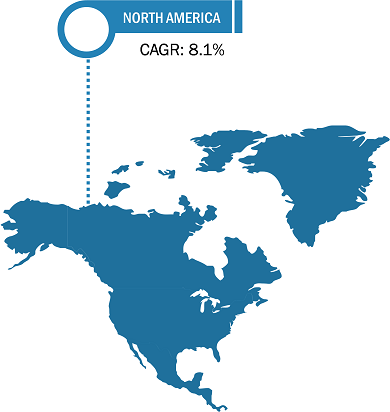
According to our latest study on "North America Sake Market Size and Forecast (2021–2034), Regional Growth Opportunity Analysis – by type and end user," the market size is expected to grow from US$ 1.18 billion in 2025 to US$ 2.37 million by 2034; the North America sake market is estimated to register a CAGR of 8.1% from 2026 to 2034. The report highlights key factors driving the North America sake market growth and prominent players, along with their developments in the market. Apart from the growth drivers, the report covers the North America sake market trends and their foreseeable impact during the forecast period.
North American consumers, particularly in urban and affluent areas, are moving away from mainstream, mass-produced beverages. They prefer drinks that showcase authenticity, craftsmanship, and cultural stories. Sake, with its traditional brewing method and diverse flavors from delicate junmai ginjo to rich daiginjo styles, aligns with this trend well. It is found alongside fine wines and high-end spirits in restaurants and stores.
North America Sake Market Growth, 2026-2034 (CAGR)
North America Sake Market Size, Share & Trends by 2034
Download Free SampleNorth America Sake Market Size and Forecast (2021 - 2034), Regional Share, Trend, and Growth Opportunity Analysis Report Coverage: By Type (Ordinary, Junmai, Honjozo, Daiginjo, Ginjo, and Others), End User [On-Premise or Foodservice (Hotels and Restaurants, Bars, Cafes, and Others), Off-Premise or Retail (Supermarkets and Hypermarkets, Specialty Liquor Stores, Online Retail, and Others)], and Country
Sushi bars, izakayas, ramen shops, and fusion restaurants are now widespread in large cities and smaller towns. These places have introduced sake to a broader audience. First-time sake drinkers try it in these restaurants, where specific styles are paired with food. Diners learn about the right serving temperatures and flavor profiles. This inclusion of sake in everyday meals has raised its visibility and acceptance.
Market access is evolving due to established distribution networks. In the US, sake is available in restaurants, bars, supermarkets, specialty liquor stores, and online. The growth of online shopping and alcohol delivery services has made it easier for consumers to explore different sake styles at home.
Cultural festivals, tasting events, sake-focused bars, and subscription services are boosting demand by engaging and educating consumers. These initiatives offer educational and hands-on experiences that clarify sake and create a community of enthusiasts.
In North America, the US leads the sake market because of its large population, high disposable incomes, and rich beverage culture. American consumers are open to trying international flavors and pairing sake with various cuisines. This trend allows sake to reach beyond traditional Japanese dining. The US has a strong distribution and marketing system. Experienced importers and distributors understand complex state alcohol regulations. They actively promote sake brands in on-trade and off-trade channels, ensuring a wide geographic reach. Domestic craft sake production, supported by local breweries that use traditional techniques and locally grown rice, is starting to add depth to the market. This production offers fresh, locally made products that complement imported options.
The North America sake market analysis has been performed by considering the following segments: type and end user. Based on type, the market is segmented into ordinary, Junmai, Honjozo, Daiginjo, Ginjo, and others. The Junmai segment accounted for the largest market share in 2025. On the basis of end user, the market is bifurcated into on-premise/foodservice and off-premises. The on-premises/foodservice is divided into hotels and restaurants, bars, cafes, and others. The off-premises segment is categorized into supermarkets and hypermarkets, specialty liquor stores, online retail, and others. The off-premises segment accounted for the largest market share in 2025. Supermarkets and hypermarkets remain the key players in this segment because of their extensive geographic reach and high foot traffic. They offer a wide variety of products at competitive prices. Their focus on premium and international alcoholic beverages has increased shelf space for sake, making it more visible and accessible to everyday shoppers. Specialty liquor stores play an important role, especially by serving more knowledgeable and premium-focused consumers. These stores provide a carefully chosen selection, experienced staff, and helpful information, which guides consumers through different styles, grades, and price ranges. This support encourages higher-value purchases and repeat customers. Online retail has grown quickly, fueled by better e-commerce infrastructure and relaxed alcohol delivery rules in certain areas. More consumers feel comfortable buying beverages online. These platforms offer convenience, a wider range of products, and access to imported or limited-edition items that may not be in physical stores. This trend supports trying new products and choosing higher-end options.
The North America sake market forecast can help stakeholders plan their growth strategies. SHEZEN; DAISHICHI SAKE BREWERY CO, LTD.; Brooklyn Kura; Nakano Sake Brewery Co., Ltd; Higashiyama Sake Brewery LLC; HAKUTSURU SAKE BREWING CO., LTD.; Yoshinogawa co, Ltd; SakeOne; Nihonsakari Co., Ltd.; Shata Shuzo Co., Ltd; Tatsuuma-Honke Brewing Co., Ltd; DASSAI Inc.; ASAHI-SHUZO SAKE BREWING CO., LTD.; Hakkaisan; and Origami Sake are among the prominent players profiled in the North America sake market report. These market players are focusing on providing high-quality products to fulfill customer demand. They are adopting new product launches, capacity expansions, partnerships, and collaborations to stay competitive in the North America sake market.
Contact Us
Phone: +1-646-491-9876
Email Id:sales@theinsightpartners.com