Surging Interest in Culinary Exploration and Premiumization Drives Retail Seasoning Blends Market Growth
According to our latest study on " Retail Seasoning Blends Market Forecast to 2034, Global and Regional Growth Opportunity Analysis – by Type and Distribution Channel," the market was valued at US$ 7.49 billion in 2025 and is expected to reach US$ 12.31 billion by 2034; it is estimated to register a CAGR of 5.7% during 2026–2034. The report highlights factors contributing to the retail seasoning blends market size and prominent players, along with their developments in the retail seasoning blends market.
The retail seasoning blends market growth is driven by increasing consumer demand for convenient, ready-to-use flavor solutions that improve taste, consistency, and culinary creativity across cuisines. These blends are essential for achieving balanced flavors, saving time, and providing meal flexibility for home cooks and food lovers. Poor seasoning can result in uneven taste experiences and lower meal satisfaction. Demand keeps rising with the increasing exposure to global cuisines, growing interest in home cooking, and a greater preference for clean-label and organic ingredients. The market benefits from the rapid growth of online grocery platforms and innovations in private-label products at supermarkets. Retail seasoning blends will continue to be important as easy, customizable flavor enhancers that meet changing dietary preferences and health-conscious habits.
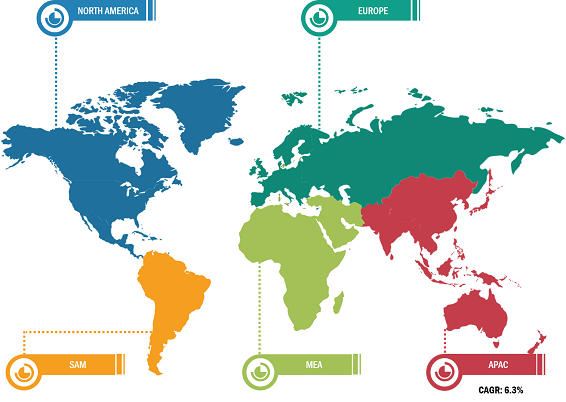
Retail Seasoning Blends Market Breakdown – by Region
Retail Seasoning Blends Market Share, Demand & Growth by 2034
Download Free SampleRetail Seasoning Blends Market Size and Forecast (2021 - 2034), Global and Regional Share, Trend, and Growth Opportunity Analysis Report Coverage: By Type (BBQ Seasoning, Ranch Seasoning, Cajun Seasoning, Italian Seasoning, Five Spice Powder, Berbere Powder, Chili and Lime Seasoning, Fajita Seasoning, Chipotle Seasoning, Tacos Seasoning, All-Purpose, and Others) and Distribution Channel (Supermarkets and Hypermarkets, Convenience Stores, Online Retail, and Others)
The retail seasoning blends market analysis has been performed by considering the following segments: type and distribution channel. By type, the retail seasoning blends market is segmented into BBQ seasoning, ranch seasoning, Cajun seasoning, Italian seasoning, five spice powder, berbere powder, chili and lime seasoning, fajita seasoning, chipotle seasoning, tacos seasoning, all-purpose, and others. The BBQ seasoning segment accounted for the largest retail seasoning blends market share in 2025. BBQ blends appeal to consumers, have a variety of flavors, and can be sold in conventional and new retail outlets. These mixtures are smoky, sweet, spicy, and savory, and thus can be used in grilling, roasting, marinating, and plant-based meals. This diversity enables them to target various consumer segments. They are convenient to use, and their standard recipes guarantee uniform taste and consistent cooking results, which is why they are attractive to use in the everyday kitchen. This segment benefits from strong brand recognition, seasonal promotions, and a growing outdoor cooking culture, especially in areas with rich barbecue traditions. Its high performance in stores reduces the uncertainty of demand, aids in inventory turnover, and corresponds to the expansion of own-labeled products in supermarkets and hypermarkets. BBQ seasoning blends are flexible to flavor trends such as low-sodium, sugar-free, organic, and regional-style. This adaptability assists the manufacturers in remaining competitive when the markets vary. Larger producers of seasoning continue to invest in BBQ blends, as they are actively sought by consumers, and have established distribution channels in the global retail market of seasoning blends.
Retail seasoning blends market trends include the growing use of clean-label and organic ingredient sourcing. Home cooking is experiencing an increase in demand for premium, small-batch, and globally inspired flavor profiles. The consumers are concerned with product transparency and sustainable packaging. Higher levels of regulatory focus and consumer consciousness, particularly in Europe and North America, are compelling producers to shun synthetic ingredients, sodium, and preservatives. Instead, they are seeking natural formulations and traceable supply chains that have the same taste and shelf stability. Simultaneously, formulation innovations have enabled the development of a reduction in sodium and an increase in flavor efficiency. This trend has realized 10-30% sodium reduction without losing taste balance, product stability, and general consumer acceptance. It is using smart blending technologies, data-driven flavor analysis, and automated packaging systems to enhance efficiency in production and minimize raw material waste. Refill pouches, recyclable containers, and sustainably sourced herbs and spices help reduce waste and manage carbon footprint. These new developments, which utilize plant-based products, transparent labeling, and low-impact sourcing, address the changing ESG objectives and keep retail seasoning blends affordable, appealing, and effective in a marketplace where sustainability is a significant concern.
In 2025, APAC controlled the retail seasoning blends market share in terms of revenue. The region shows strong demand for easy flavor options that match rapid urban growth, increasing disposable incomes, and a wider variety of dietary choices. The rise of supermarket chains, hypermarkets, and online grocery services in China, India, Japan, South Korea, and Southeast Asia has improved product availability and access for consumers. These markets need consistent, high-quality seasoning blends to satisfy changing taste preferences, support culinary creativity, and offer quick meal preparation across traditional and modern retail settings within expanding local and global supply networks.
PK Kinder Co Inc, Ajinomoto Co Inc, McCormick & Co Inc, Badia Spices Inc, Goya Foods Inc, Chef Seasons, Magic Seasoning Blends LLC, Fire & Smoke Society LLC, Dan-O's Seasoning LLC, and Spice Kitchen are among the prominent players profiled in the retail seasoning blends market report. These players are focusing on providing high-quality products to fulfill customer demand. They are adopting strategies such as product launches, capacity expansions, partnerships, and collaborations to stay competitive in the retail seasoning blends market.
Based on type, the retail seasoning blends market is segmented into BBQ seasoning, ranch seasoning, Cajun seasoning, Italian seasoning, five spice powder, berbere powder, chili and lime seasoning, fajita seasoning, chipotle seasoning, tacos seasoning, all-purpose seasoning, and others. By distribution channel, the market is segmented into supermarkets and hypermarkets, convenience stores, online retail, and others.
The geographical scope of the retail seasoning blends market report focuses on North America, Europe, Asia Pacific, the Middle East & Africa, and South & Central America. The market in North America is segmented into the US, Canada, and Mexico. The market in Europe is categorized into Germany, France, Italy, the UK, Spain, and the Rest of Europe. The market in the Asia Pacific is divided into Australia, China, India, Japan, South Korea, and the Rest of the Asia Pacific. The retail seasoning blends market in the Middle East & Africa is classified into South Africa, Saudi Arabia, the UAE, and the Rest of the Middle East & Africa. The market in South & Central America is segmented into Brazil, Argentina, and the Rest of South & Central America.
Contact Us
Phone: +1-646-491-9876
Email ID: sales@theinsightpartners.com