
Adhesives For Wearable Medical Device Market Growth, Size & Forecast by 2034
Coverage: by Material Type (Acrylic Based, Silicone Based, Others); Device Type (Diagnostic Device, Monitoring Device, Drug Delivery Device) , and Geography (North America, Europe, Asia Pacific, and South and Central America)
- Status : Data Released
- Report Code : TIPRE00008187
- Category : Chemicals and Materials
- No. of Pages : 150
- Available Report Formats :


- Last update date : July 13, 2026


2025 Market Size
US$ 1.39 Bn
Base year value
2034 Forecast
US$ 3.99 Bn
Projected by 2034
CAGR 2026-2034
12.46 %
Growth rate
Addressable Market
US$ 23.55 Bn
(2026-2034)
The global adhesives for wearable medical device market was worth US$ 1.39 Billion in 2025 and is expected to reach US$ 3.99 Billion in 2034, registering a CAGR of 12.46% for the period of 2026–2034. The market is experiencing a very healthy growth owing to the rising use of wearable health technology for patient monitoring, high incidences of chronic conditions, and growing demand for skin-compatible adhesives that can help keep the device attached and functional for extended periods.
The adhesives for wearable medical device market size in North America is growing at a steady pace, with a forecasted CAGR of 11.8–12.3% from 2026 to 2034 due to strong development in the field of medical devices, a supportive reimbursement environment, and rapid adoption of remote patient monitoring devices in the region. Increasing investments in digital healthcare, the production of continuous glucose monitors and cardiac monitors, and development in biocompatible adhesives are making regional manufacturing stronger.
Adhesives For Wearable Medical Device Market Assessment and Insights
- North America: Accounted for 36–40% wearable medical device market share in 2025 and is projected to expand at a CAGR of 11.8–12.3% during 2026–2034, supported by advanced healthcare infrastructure, high penetration of continuous monitoring technologies, and strong medical adhesive innovation across the United States and Canada.
- US: Represented 82–86% of the North American market in 2025 and is anticipated to register a CAGR of 11.9–12.4% during 2026–2034, driven by rapid adoption of wearable diagnostics, favorable reimbursement pathways, and increasing chronic disease monitoring.
- Europe: Held 26–30% share in 2025 and is forecast to grow at a CAGR of 11.5–12.0% during 2026–2034, with Germany, the UK, and France leading demand through expanding medical technology manufacturing and aging population healthcare initiatives.
- Asia Pacific: Captured 24–28% adhesives for wearable medical device market share in 2025 and is expected to witness the fastest regional expansion at a CAGR of 13.3–13.8% during 2026–2034, led by China, Japan, South Korea, and India through increasing healthcare expenditure and domestic wearable device production.
- Largest Segment: Silicone Based materials accounted for 54–58% market share in 2025 and are projected to grow at a CAGR of 12.7–13.2% during 2026–2034, supported by superior skin compatibility, repositionability, and long-duration wear performance.
- High Growth Segment: Monitoring Device applications represented 39–43% market share in 2025 and are anticipated to expand at a CAGR of 13.6–14.1% during 2026–2034, reflecting rising adoption of continuous glucose monitoring, cardiac monitoring, and remote patient monitoring solutions.
- Key companies analyzed in detail: 3M, DuPont de Nemours, Inc., Scapa Group plc, H.B. Fuller Company, Henkel AG & Co. KGaA, Vancive Medical Technologies, Lohmann GmbH & Co. KG, Polymer Science, Inc., Adhezion Biomedical, MBK Tape Solutions.
Source: The Insight Partners' analysis based on proprietary research, government publications, company annual reports, investor presentations, industry databases, and expert interviews.
With the transformation of wearable healthcare devices from simple exercise monitors to clinically proven devices of diagnostic and therapeutic value, there arise additional demands on the adhesive technology used in medical applications. The development of breathable, waterproof, non-allergenic, and skin-friendly adhesive solutions is becoming more popular among medical device companies, which are now designing adhesives that hold devices firmly in place without irritating the skin, even after prolonged use.
As far as future trends in the adhesives for wearable medical device market are concerned, there is an increased likelihood of investment in connected healthcare, digital healthcare, and remote patient monitoring, which may open up commercial prospects in developing countries. Favorable regulation of healthcare devices, digitization of healthcare, and partnerships between medical device manufacturers and specialty adhesive companies will further boost innovation and facilitate localized production of materials.
Adhesives For Wearable Medical Device Market Report Scope
| Report Attribute | Details |
|---|---|
| Market size in 2025 | US$ 1.39 Billion |
| Market Size by 2034 | US$ 3.99 Billion |
| Global CAGR (2026 - 2034) | 12.46% |
| Historical Data | 2021-2024 |
| Forecast period | 2026-2034 |
Adhesives For Wearable Medical Device Market Analysis
The growing need for continuous monitoring, digital therapeutics, and connected healthcare platforms is further contributing to growth in the adhesives for wearable medical devices market worldwide. The market ecosystem includes polymer specialty materials suppliers, coating firms, converters, medical device assemblers, healthcare providers, and regulatory authorities. Rising demand for long-lasting adhesion, moisture handling and patient comfort is driving companies to focus on investing in cutting-edge acrylic and silicone-based technology, which does not compromise skin health.
Resilience of supply chain has gained importance among medical device companies seeking diversification in the sourcing of specialty films, release liners, and PSAs. More attention is being paid to biocompatibility tests and environmentally sustainable manufacturing during supplier selection.
The competitive environment is becoming more intense as global chemical firms and medical adhesive manufacturers expand their product portfolios through innovation, acquisitions, and healthcare alliances. This analysis of the global market for medical adhesives in wearable medical devices shows how firms like 3M, Henkel AG & Co. KGaA, H.B. Fuller Company, DuPont de Nemours, Inc., Lohmann GmbH & Co. KG, and Vancive Medical Technologies are making significant investments in skin-compatible adhesive systems suitable for advanced wearable health care devices.
The key areas of strategic investment include customized adhesives for flexible electronics and biosensors as well as future generations of wearable platforms. Manufacturing capacity expansion in regional locations and improved services in application engineering and regulatory affairs along with collaborative product development with medical device OEMs are among the key initiatives taken by firms to compete effectively and commercialize new healthcare devices.
● REPORT CUSTOMIZATION
Tailor This Report To Align With Your Specific Business Requirements
This report can be customized to align precisely with your business objectives, scope, and target markets. Customization options include tailored segmentation, geography, competitive analysis, and strategic insights to support informed decision-making.
Customize This Report →WHAT YOU CAN ADJUST
- ● Segmentations
- ● Geography
- ● Competitive Analysis
- ● Language Preferences
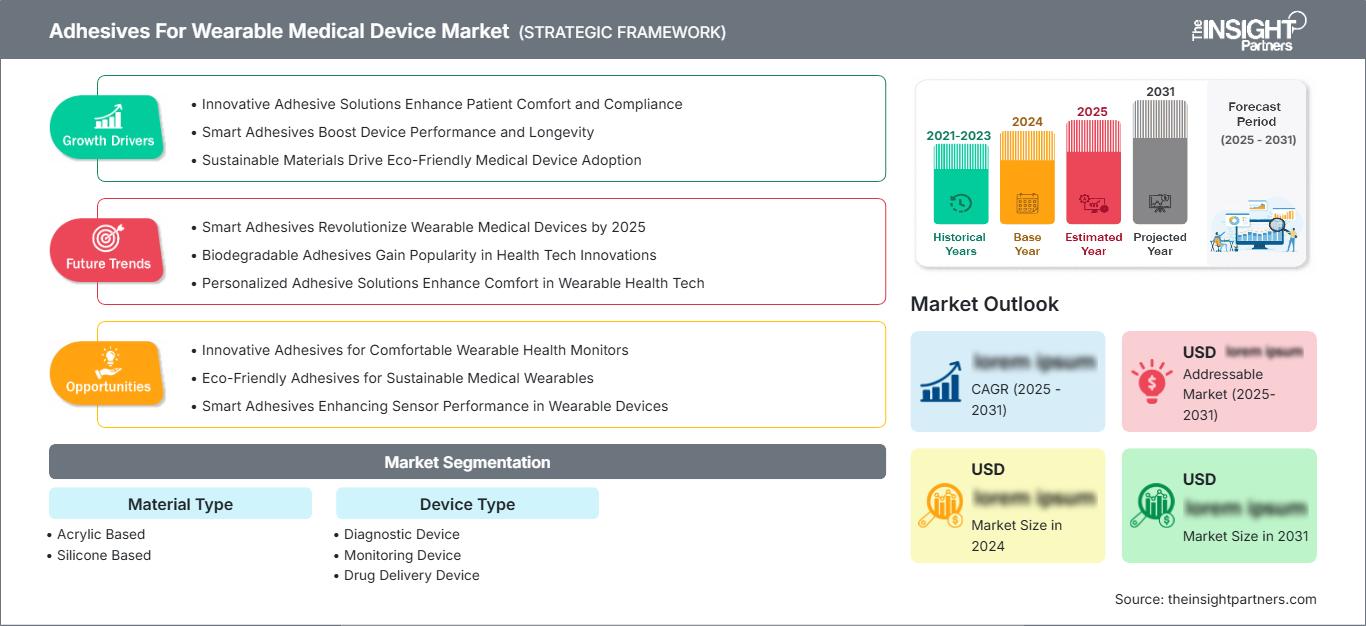
Adhesives For Wearable Medical Device Market: Strategic Insights
Regional Insights
North America Adhesives for Wearable Medical Device Market
North America accounted for 36–40% of the global market share in 2025 and is projected to grow at a CAGR of 11.8–12.3% during 2026–2034. The region benefits from advanced healthcare infrastructure, high adoption of connected medical technologies, and strong investments in digital therapeutics. Increasing use of continuous glucose monitoring, wearable cardiac patches, and remote patient monitoring devices continues to support long-term demand. The adhesives for wearable medical device market share remains the highest globally because of strong innovation ecosystems and favorable regulatory pathways.
The adhesives for wearable medical device market in North America also benefits from a well-coordinated relationship among suppliers of adhesives and medical devices, as well as the research organizations involved in creating next-generation wearables. Growing healthcare spending, the rise in homecare services, and a growing focus on preventive care will continue to push manufacturers to develop breathable, hypoallergenic, and long-lasting adhesives that enhance patient comfort and ensure device reliability throughout the entire monitoring period.
U.S. Adhesives for Wearable Medical Device Market
The United States represented 82–86% of the North American market in 2025 and is expected to register a CAGR of 11.9–12.4% during 2026–2034. High penetration of wearable diagnostic devices, widespread digital healthcare adoption, and favorable reimbursement support continuous commercialization of innovative adhesive technologies. Growing prevalence of diabetes, cardiovascular disorders, and aging demographics continue increasing demand for skin-safe adhesive materials suitable for prolonged device attachment.
Notable suppliers, including 3M, DuPont de Nemours, Inc., H.B. Fuller Company, Polymer Science, Inc., and MBK Tape Solutions, have major operations that assist domestic medical device manufacturers. Product innovations emphasize adhesives that are resistant to moisture, repositionable, cause minimal skin trauma, and are compatible with flexible electronics. Increased investments into connected healthcare platforms boost long-term opportunities in the United States.
Europe Adhesives for Wearable Medical Device Market
Europe captured 26–30% of the global market in 2025 and is projected to expand at a CAGR of 11.5–12.0% during 2026–2034. Germany remains the leading regional market owing to its strong medical technology manufacturing base, while the United Kingdom and France continue expanding digital healthcare adoption. Regulatory emphasis on patient safety and medical device quality further supports demand for premium medical adhesive technologies.
Remote health care programs and wearable diagnostics are continually being supported by the National Health Service in the UK via investments aimed at increasing the use of skin-friendly medical adhesives. Germany has a robust medical device manufacturing industry and research collaborations geared towards developing advanced adhesive materials for wearable sensors. France, Italy, and Spain together support regional growth due to increased health care modernization, chronic disease management programs, and increased adoption of connected monitoring devices.
APAC Adhesives for Wearable Medical Device Market
Asia Pacific accounted for 24–28% of the global adhesives for wearable medical device market in 2025 and is anticipated to register the fastest CAGR of 13.3–13.8% during 2026–2034. China leads regional production capacity, while Japan and South Korea contribute through advanced medical electronics manufacturing. India continues witnessing increasing demand supported by healthcare digitization and expanding domestic medical device production.
Government initiatives promoting indigenous medical technology manufacturing, together with rising healthcare investments across Australia and Southeast Asia, are encouraging wider adoption of wearable monitoring devices. Growing patient awareness and expanding telemedicine infrastructure continue strengthening long-term regional demand.
Middle East & Africa Adhesives for Wearable Medical Device Market
The adhesives for wearable medical device market in Middle East & Africa is expected to register a CAGR of 10.9–11.4% during 2026–2034. Saudi Arabia leads regional demand through healthcare infrastructure modernization, while the UAE continues investing in digital health and connected patient care. South Africa remains an important market supported by expanding chronic disease management initiatives.
Increasing investments in hospital modernization, remote healthcare delivery, and smart healthcare technologies are gradually expanding wearable medical device adoption across the Rest of MEA. Government-led healthcare transformation programs and improved access to advanced medical technologies are expected to sustain regional market development over the forecast period.
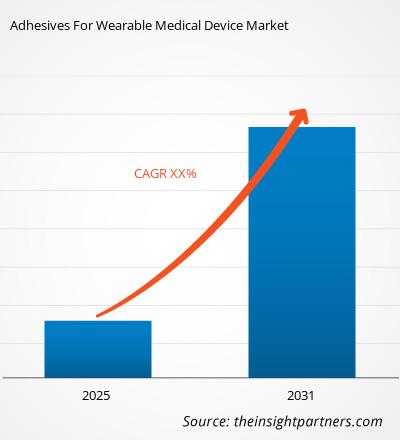
Segmentation Analysis
Material Type
Material Type is projected to grow at a CAGR of 12.3–12.8% during 2026–2034. Material selection plays a critical role in ensuring patient comfort, reliable device attachment, breathability, and skin compatibility during prolonged wear. The adhesives for wearable medical device market scope continues to expand as manufacturers develop advanced polymer formulations capable of balancing adhesion strength with painless removal, moisture resistance, and compatibility with increasingly sophisticated wearable healthcare technologies.
- Acrylic Based – Widely used due to excellent adhesion performance, cost efficiency, and compatibility with numerous wearable diagnostic devices. Manufacturers continue improving breathability and moisture management to enhance patient comfort during extended monitoring periods.
- Silicone Based – Preferred for premium medical applications requiring gentle skin contact, repositionability, and minimal skin trauma. Increasing adoption among elderly patients and individuals with sensitive skin continues supporting strong commercial demand.
Device Type
Device Type is anticipated to register a CAGR of 13.1–13.6% during 2026–2034. Expanding adoption of wearable diagnostics, continuous physiological monitoring, and drug administration technologies continues increasing demand for highly specialized adhesive systems. Device miniaturization, flexible electronics, and longer wear durations require adhesives capable of maintaining stable performance under varying environmental and physiological conditions.
- Diagnostic Device – Adhesives support disposable and reusable diagnostic patches requiring reliable attachment while maintaining sensor accuracy and user comfort across short-term and extended clinical applications.
- Monitoring Device – Represents the largest application area as continuous glucose monitors, ECG patches, and remote patient monitoring devices require durable, breathable adhesives capable of prolonged skin contact without irritation.
- Drug Delivery Device – Growing use of wearable infusion pumps and transdermal drug delivery systems is increasing demand for adhesives providing secure fixation, biocompatibility, and consistent performance throughout treatment cycles.
Opportunity Snapshot
| Segment Name | Revenue Contribution | Trend Tag | Adoption Stage |
| Diagnostic Device | Medium | Point Diagnostics | Scaling |
| Monitoring Device | High | Continuous Monitoring | Mature |
| Drug Delivery Device | Medium | Smart Delivery | Emerging |
Adhesives For Wearable Medical Device Market Growth Drivers and Impact Analysis
Increasing Adoption of Continuous Patient Monitoring Technologies
The rapid expansion of continuous glucose monitoring, cardiac rhythm monitoring, respiratory monitoring, and wearable biosensor technologies is significantly increasing demand for advanced medical-grade adhesives. Healthcare providers increasingly rely on continuous patient data to improve treatment outcomes while reducing hospital admissions and enabling remote disease management. As monitoring duration extends from hours to several weeks, adhesive performance becomes a critical component of overall device reliability. Manufacturers continue developing breathable, moisture-resistant, and skin-friendly adhesive systems capable of maintaining secure attachment throughout prolonged wear without compromising patient comfort. These innovations are supporting broader adoption of wearable medical technologies across both acute and chronic healthcare applications.
Growing Prevalence of Chronic Diseases and Aging Population
The increasing global burden of diabetes, cardiovascular disorders, neurological diseases, and chronic respiratory conditions continues accelerating demand for wearable healthcare devices. Aging populations require long-term monitoring solutions that enable continuous physiological assessment while minimizing frequent hospital visits. Medical adhesives capable of maintaining strong adhesion across fragile and sensitive skin have therefore become increasingly important. Device manufacturers are investing in specialized adhesive formulations designed for extended wear, painless removal, and improved biocompatibility. These developments support greater patient compliance, improved clinical outcomes, and wider deployment of wearable healthcare technologies across home-based treatment environments.
Advancements in Skin-Friendly Polymer Technologies
Ongoing innovations in silicone chemistry, acrylic formulations, breathable films, and multilayer adhesive structures continue improving wearable device performance. Medical adhesive manufacturers increasingly focus on balancing adhesion strength, moisture vapor transmission, repositionability, and skin protection to support next-generation wearable sensors. Flexible electronics and miniaturized medical devices require adhesives capable of maintaining mechanical stability under continuous movement without causing skin irritation. Continuous material innovation is enabling device manufacturers to introduce thinner, lighter, and more comfortable wearable products while expanding their application across preventive healthcare, chronic disease management, and personalized medicine.
Adhesives For Wearable Medical Device Market Future Trends
Expansion of Multi-Day Wearable Monitoring Platforms
Healthcare providers increasingly prefer wearable devices capable of continuous monitoring over several days or weeks, driving adhesives for wearable medical device market trends toward longer-lasting adhesive technologies. Manufacturers are developing breathable multilayer constructions with improved moisture management, antimicrobial properties, and enhanced flexibility to support uninterrupted monitoring. Future products will increasingly combine patient comfort, secure attachment, and compatibility with miniaturized biosensors, enabling broader clinical adoption across chronic disease management, post-operative recovery, and preventive healthcare while reducing device replacement frequency and improving overall treatment adherence.
Integration of Sustainable and Skin-Safe Adhesive Materials
Sustainability objectives are beginning to influence product development as manufacturers evaluate recyclable liners, solvent-free coating technologies, and bio-based raw materials. Simultaneously, research continues toward hypoallergenic adhesives with reduced skin irritation for pediatric, geriatric, and sensitive-skin patients. Future innovation will focus on balancing environmental performance with stringent medical requirements, allowing manufacturers to meet regulatory expectations while improving patient experience and supporting broader commercialization of next-generation wearable healthcare devices.
Adhesives For Wearable Medical Device Market Opportunities
Expansion Across Emerging Digital Healthcare Markets
Growing healthcare digitization across Asia Pacific, Latin America, and the Middle East presents substantial commercial opportunities for adhesive manufacturers. Rising government investments in telemedicine, remote diagnostics, and connected healthcare ecosystems are increasing demand for wearable medical technologies. Adhesives for wearable medical device market forecasts indicate that localized manufacturing, partnerships with regional medical device OEMs, and customized adhesive formulations designed for diverse climatic conditions will strengthen market penetration. Companies capable of combining regulatory expertise with scalable production and application-specific product development are expected to secure significant long-term competitive advantages within these rapidly expanding healthcare markets.
Customized Adhesive Platforms for Next-Generation Biosensors
Rapid innovation in flexible electronics, smart patches, and multifunctional biosensors is creating opportunities for highly specialized adhesive solutions. Future wearable devices will require adhesives offering electrical compatibility, extended wear duration, biocompatibility, and resistance to sweat, movement, and environmental exposure. Manufacturers investing in collaborative research with medical device developers can establish differentiated product portfolios tailored for emerging applications including personalized medicine, digital therapeutics, remote rehabilitation, and continuous physiological monitoring. These partnerships are expected to accelerate commercialization while supporting higher-value medical adhesive products.
Recent Developments
- March 24, 2026: Henkel AG & Co. KGaA showcased advanced adhesive technologies and automated adhesive application solutions at INDEX 2026, highlighting innovations that improve manufacturing efficiency, process automation, and sustainable production for hygiene and medical applications, including materials applicable to wearable healthcare products.
- September 24, 2025: Henkel AG & Co. KGaA launched new LOCTITE AA 3951/3953 and AA 3961/3963 LED-curable medical-grade adhesives developed for next-generation medical device manufacturing. The new products target flexible and rigid medical device assembly, offering rapid curing, biocompatibility, and compatibility with wearable healthcare devices and diagnostic systems.
Frequently Asked Questions

- Comprehensive Market Sizing and Forecast Analysis
- Detailed Segmentation Analysis
- In-Depth Market Dynamics Assessment
- Regional and Country-Level Insights
- Competitive Landscape and Company Benchmarking
- Strategic Business Intelligence
Recent Reports
Testimonials

The Insight Partners' SCADA System Market report is comprehensive, with valuable insights on current trends and future forecasts. The team was highly professional, responsive, and supportive throughout. We are very satisfied and highly recommend their services.
RAN KEDEM Partner, Reali Technologies LTDs
I requested a report on a very specific software market and the team produced the report in a few days. The information was very relevant and well presented. I then requested some changes and additions to the report. The team was again very responsive and I got the final report in less than a week.
JEAN-HERVE JENN Chairman, Future Analytica
We worked with The Insight Partners for an important market study and forecast. They gave us clear insights into opportunities and risks, which helped shape our plans. Their research was easy to use and based on solid data. It helped us make smart, confident decisions. We highly recommend them.
PIYUSH NAGPAL Sr. Vice President, High Beam Global
The Insight Partners delivered insightful, well-structured market research with strong domain expertise. Their team was professional and responsive throughout. The user-friendly website made accessing industry reports seamless. We highly recommend them for reliable, high-quality research services
YUKIHIKO ADACHI CEO, Deep Blue, LLC.
This is the first time I have purchased a market report from The Insight Partners.While I was unsure at first, I visited their web site and felt more comfortable to take the risk and purchase a market report.I am completely satisfied with the quality of the report and customer service. I had several questions and comments with the initial report, but after a couple of dialogs over email with their analyst I believe I have a report that I can use as input to our strategic planning process.Thank you so much for taking the extra time and making this a positive experience.I will definitely recommend your service to others and you will be my first call when we need further market data.
JOHN SUZUKI President and Chief Executive Officer, Board Director, BK Technologies
I wish to appreciate your support and the professionalism you displayed in the course of attending to my request for information regarding to infectious disease IVD market in Nigeria. I appreciate your patience, your guidance, and the fact that you were willing to offer a discount, which eventually made it possible for us to close a deal. I look forward to engaging The Insight Partners in the future, all thanks to the impression you have created in me as a result of this first encounter.
DR CHIJIOKE ONYIA MANAGING DIRECTOR, PineCrest Healthcare Ltd.Reason to Buy
- Informed Decision-Making
- Understanding Market Dynamics
- Competitive Analysis
- Identifying Emerging Markets
- Customer Insights
- Market Forecasts
- Risk Mitigation
- Boosting Operational Efficiency
- Strategic Planning
- Investment Justification
- Tracking Industry Innovations
- Aligning with Regulatory Trends





 Get Free Sample for