
Artemisinin Combination Therapy Market Share, Demand & Growth by 2034
Coverage: By Type (Artemether-Lumefantrine, Artesunate-Amodiaquine, Dihydroartemisinin-Piperaquine, Artesunate-Mefloquine, Artesunate-Sulfadoxine-Pyrimethamine, Pyronaridine-Artesunate); Distribution Channels (Retail pharmacy, Hospitals, Others) , and Geography (North America, Europe, Asia Pacific, and South and Central America)
- Status : Data Released
- Report Code : TIPRE00004761
- Category : Life Sciences
- No. of Pages : 150
- Available Report Formats :


- Last update date : September 02, 2026


2025 Market Size
US$ 2.71 Bn
Base year value
2034 Forecast
US$ 4.76 Bn
Projected by 2034
CAGR 2026-2034
6.43 %
Growth rate
Addressable Market
US$ 33.74 Bn
(2026-2034)
The artemisinin combination therapy market is positioned at the intersection of malaria treatment access, pharmaceutical quality assurance, and resistance management. The market is valued at US$ 2.71 Billion in 2025 and is projected to reach US$ 4.76 Billion by 2034, expanding at a CAGR of 6.43% from 2026 to 2034. Demand remains closely linked to malaria incidence, public procurement, treatment guidelines, pediatric formulations, and availability of quality-assured combination therapies.
North America represents a smaller commercial opportunity because malaria transmission is limited, but the region remains strategically important for pharmaceutical development, regulatory activity, research funding, and international procurement partnerships. The artemisinin combination therapy market size in North America is expected to expand at an estimated 2.0–3.0% CAGR during 2026–2034, supported by travel-related treatment demand and global-health investment.
Artemisinin Combination Therapy Market Assessment and Insights
- North America: North America is expected to account for a 4–7% artemisinin combination therapy market share in 2025 and grow at a 2.0–3.0% CAGR between 2026–2034, supported by imported malaria cases, pharmaceutical research, and global-health procurement programs.
- US: The US is estimated to represent 65–75% of North America's 2025 market and expand at a 2.0–3.0% CAGR between 2026–2034, reflecting travel-associated treatment and research activity.
- Europe: Europe is estimated to hold a 9–13% share in 2025 and expand at a 3.0–4.0% CAGR between 2026–2034, with France, Germany, the UK, Italy, and Spain supporting pharmaceutical access and malaria research.
- Asia Pacific: Asia Pacific is projected to represent a 13–17% share in 2025 and grow at a 5.0–7.0% CAGR between 2026–2034, led by India, China, Indonesia, and Southeast Asian endemic markets.
- Largest Segment: Artemether-Lumefantrine is estimated to hold a 28–34% market share in 2025 and expand at a 5.5–6.5% CAGR during 2026–2034, supported by broad guideline recognition.
- High Growth Segment: Pyronaridine-Artesunate is estimated at a 6–9% market share in 2025 and is projected to grow at a 7.0–8.5% CAGR during 2026–2034, supported by treatment diversification.
- Key companies analyzed in detail: Hovid-Integrated Global Pharmaceutical Partner, Ipca Laboratories Ltd., Aspen Holdings, Ajanta Pharma, Novartis AG, Sanofi, Cipla Inc., KPC Pharmaceuticals, Mylan N.V., Sun Pharmaceutical Industries Ltd.
Source: The Insight Partners' analysis based on proprietary research, government publications, company annual reports, investor presentations, industry databases, and expert interviews.
There have been developments in the artemisinin combination therapy market towards standardized artemisinin-based combinations whereby rapid parasite clearance is combined with longer-lasting drugs as partners. Fixed dose combinations have been prioritized alongside pediatric formulations, quality assured active pharmaceutical ingredients and scalable manufacturing for institutional procurement. The supply chain has remained largely concentrated around Asian-based pharmaceutical manufacturing and regulation and procurement requirements play a major role in the access in malaria endemic countries.
The future growth prospects for the artemisinin combination therapy market will be dependent on resistance surveillance, diversification of treatment options, pediatric access, and country procurement strategy. Emerging African markets will continue to be important in terms of increasing volumes, but Asian manufacturers stand to gain from efficient production and distribution within the region.
Artemisinin Combination Therapy Market Report Scope
| Report Attribute | Details |
|---|---|
| Market size in 2025 | US$ 2.71 Billion |
| Market Size by 2034 | US$ 4.76 Billion |
| Global CAGR (2026 - 2034) | 6.43% |
| Historical Data | 2021-2024 |
| Forecast period | 2026-2034 |
Artemisinin Combination Therapy Market Analysis
artemisinin combination therapy market growth opportunities stem from unceasing malaria therapy needs, sustained dependency on artemisinin-based antimalarial drugs for treating uncomplicated P. falciparum malaria, and growing initiatives aimed at promoting access to quality-assured medicines. WHO recommends ACTs which include artemether-lumefantrine, artesunate-amodiaquine, artesunate-mefloquine, dihydroartemisinin-piperaquine, artesunate-sulfadoxine-pyrimethamine, and artesunate-pyronaridine. This broad range of drug options provides grounds for a varied portfolio of products.
Value chain in the artemisinin combination therapy market includes artemisia-derived active pharmaceutical ingredients, partner drug APIs, formulation process, analytical testing, regulatory certification, packaging, public sector procurements, wholesalers, hospitals, and pharmacies. Competitiveness depends on quality consistency, flexibility in formulation options, regulatory certification and reliable supply. Procurement organizations pay increased attention to guaranteed quality of the drugs since poor-quality and inappropriate malaria products may spoil treatment effectiveness and contribute to resistance development.
Competitive positioning in the artemisinin combination therapy market consists of well-established branded drugs, generics, API producers, and regional suppliers. Novartis plays an important role in the ACTs market with the Coartem family, while Cipla, Sun Pharmaceutical Industries, Ipca Laboratories, Ajanta Pharma, Aspen Holdings, and KPC Pharmaceuticals represent manufacturing and marketing competencies of the market players in emerging markets. Hovid-Integrated Global Pharmaceutical Partner, Sanofi, Mylan N.V., and other suppliers support the competitive landscape.
Emerging investment trends involve development of pediatric formulations, resistant combinations, quality production systems, and supply-chain resilience. Development of new generation of malaria therapies by Novartis highlights the increasing significance of resistance issues and the need for novel treatments other than existing combinations. This is why market analysis will require evaluation of ACT demand as well as potential substitutes.
● REPORT CUSTOMIZATION
Tailor This Report To Align With Your Specific Business Requirements
This report can be customized to align precisely with your business objectives, scope, and target markets. Customization options include tailored segmentation, geography, competitive analysis, and strategic insights to support informed decision-making.
Customize This Report →WHAT YOU CAN ADJUST
- ● Segmentations
- ● Geography
- ● Competitive Analysis
- ● Language Preferences
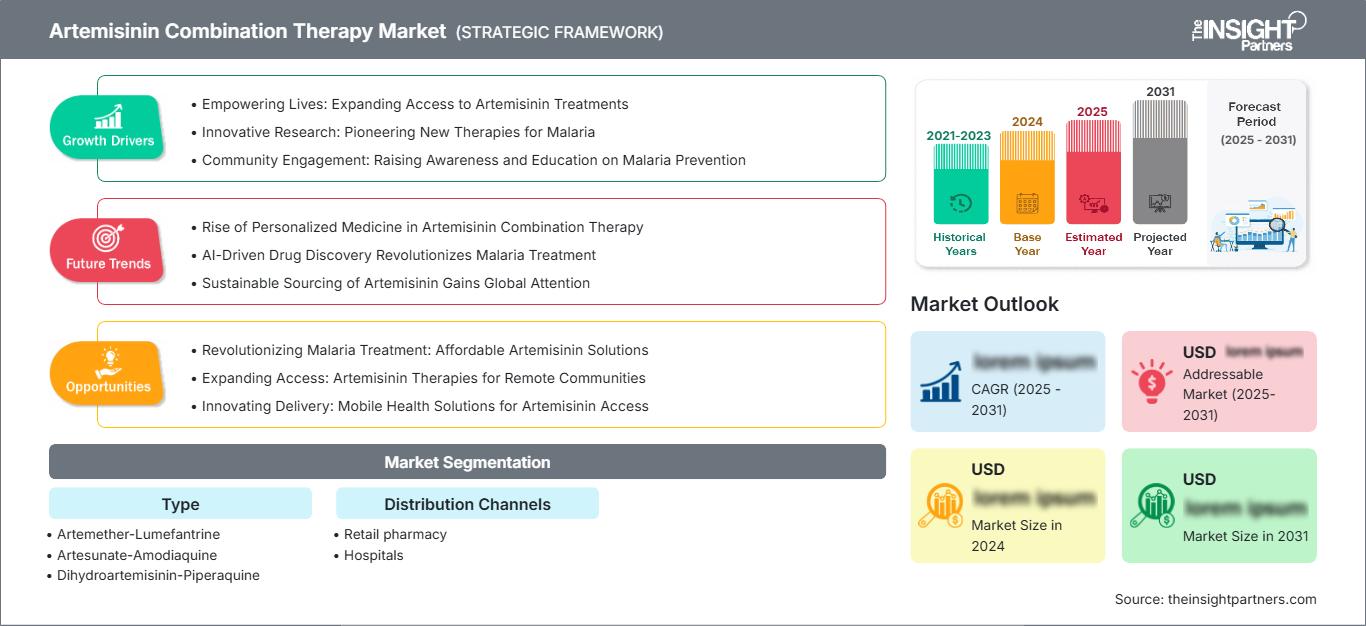
Artemisinin Combination Therapy Market: Strategic Insights
Regional Insights
North America artemisinin combination therapy market
North America is estimated to hold a 4–7% share in 2025 and record a 2.0–3.0% CAGR through 2034. Domination of the US in the regional market occurs owing to the imported malaria cases, travel, military movements, and specialty services for infectious diseases that result in continuous demand. Canada is contributing to the market through travel medicine, public health surveillance, and specialty care facilities. Manufacturing in the region is lower as compared to that in Asia, which makes procurement and international supply chain relationships crucial.
The artemisinin combination therapy market forecast shows that regional market is mainly motivated by diagnosis, readiness for treatment, and research infrastructure rather than the actual malaria transmission. Hospitals and specialty centers for infectious diseases continue to play a role of buyers, but travel clinics influence access to treatment before and after the international travel. North American-based pharmaceutical firms take part in the malaria programs around the globe.
U.S. artemisinin combination therapy market
The US represents approximately 65–75% of North America's 2025 market and is expected to grow at a 2.0–3.0% CAGR through 2034. However, demand is mainly in imported malaria, travel associated cases, infectious disease treatment specialization, and institutions being ready rather than endemic transmission within the community. The influence of the Centers for Disease Control and Prevention on treatment guidelines and surveillance of the disease is still high.
Hospitals and specialized centers play an important role in treating the condition while travel health centers are helpful in referring patients for treatment. Pharmaceutical companies with wide range capabilities will benefit from US experience in regulations when providing their products in international projects. The changing parasite resistance patterns in other countries will affect the demand for the product.
Europe artemisinin combination therapy market
Europe is estimated to account for a 9–13% share in 2025 and expand at a 3.0–4.0% CAGR through 2034. France is a leading market because of extensive links with malaria-endemic regions, while Germany, the UK, Italy, and Spain contribute through travel medicine, infectious-disease services, research, and global-health programs. Regulatory quality requirements strengthen the position of qualified suppliers.
Britain’s relevance is through its knowledge of tropical medicine, research on global health issues, and procurement partnerships with endemic nations. Germany is relevant through its expertise in clinical care and pharma & research facilities. The relevance of France is due to its strong connection with African health care systems. Italy and Spain’s relevance is through Mediterranean tourists and clinical expertise. The demand for malaria is more related to imported cases across Europe.
APAC artemisinin combination therapy market
APAC is estimated to represent a 13–17% share in 2025 and grow at a 5.0–7.0% CAGR. India and China have depth in terms of manufacturing; Indonesia and Southeast Asian nations have treatment demand. Quality assurance, surveillance, and availability have become key concerns of regional governments.
India is an important commercial center because of its manufacturing capacity and proximity to endemic markets. China supplies API formulations, and Japan, South Korea, and Australia supply R&D, regulation, and global health expertise. Regional programs for disease elimination and procurement systems must ensure demand for quality-assured ACTs.
Middle East & Africa artemisinin combination therapy market
According to the artemisinin combination therapy market report, Middle East and Africa represent the core demand environment, particularly sub-Saharan Africa. Saudi Arabia and the UAE contribute through healthcare infrastructure and imported-case management, while South Africa serves as a regional pharmaceutical and clinical hub. The region is estimated to expand at a 5.5–7.5% CAGR.
Sub-Saharan African procurement remains strongly linked to malaria burden, donor financing, hospital capacity, and national treatment policies. Infrastructure investment, improved diagnostics, and expanded healthcare access can increase treatment volumes. However, resistance surveillance and funding sustainability remain critical considerations for manufacturers and procurement agencies.
Segmentation Analysis
Type
The Type segment is expected to expand at a 6.0–7.0% CAGR during 2026–2034. Product selection is influenced by national treatment policies, parasite resistance patterns, age and weight requirements, formulation availability, and procurement preferences. Artemether-lumefantrine remains highly established, while alternative ACT combinations support diversification and resilience against declining efficacy.
- Artemether-Lumefantrine: This combination has broad international guideline recognition and extensive clinical familiarity. Its established manufacturing ecosystem, fixed-dose presentation, and pediatric formulation availability support continued institutional and community treatment demand.
- Artesunate-Amodiaquine: The combination remains important in several African treatment programs. Its strategic relevance is reinforced by established country-level policy adoption and the need for alternatives across different resistance environments.
- Dihydroartemisinin-Piperaquine: This formulation provides a longer-acting partner-drug component and is used across multiple endemic markets. Demand is influenced by national guidelines, local efficacy surveillance, and availability through qualified suppliers.
- Artesunate-Mefloquine: This combination retains importance in selected Asian and other endemic settings. Its position reflects regional treatment policies, historical clinical experience, and the need for differentiated ACT options.
- Artesunate-Sulfadoxine-Pyrimethamine: The combination remains relevant where national malaria programs incorporate it into treatment strategies. Utilization is shaped by parasite susceptibility, policy recommendations, and pregnancy-related prescribing considerations.
- Pyronaridine-Artesunate: This newer ACT option offers therapeutic diversification and is increasingly relevant where treatment programs seek additional choices. WHO includes artesunate-pyronaridine among options for uncomplicated P. falciparum malaria.
Distribution Channels
The Distribution Channels segment is projected to grow at a 5.5–6.5% CAGR during 2026–2034. Channel structure varies substantially by country because malaria treatment is strongly influenced by public procurement, national health systems, private pharmacies, hospital networks, and community-based healthcare delivery.
- Retail pharmacy: Retail pharmacies provide decentralized access, particularly where patients seek treatment outside hospitals. Their strategic role depends on national dispensing rules, diagnostic practices, product quality controls, and availability of approved ACT formulations.
- Hospitals: Hospitals remain critical for confirmed malaria cases requiring specialist assessment, severe disease management, or treatment of vulnerable populations. Institutional procurement also supports consistent availability and adherence to national treatment protocols.
Opportunity Snapshot
| Distribution Channels | Revenue Contribution (High/Medium/Low) | Trend Tag (MAX 2 words) | Adoption Stage |
|---|---|---|---|
| Retail pharmacy | Medium | Community Access | Scaling |
| Hospitals | High | Institutional Procurement | Mature |
Artemisinin Combination Therapy Market Growth Drivers and Impact Analysis
Persistent Malaria Burden and Treatment Requirements
The persistent incidence of malaria will remain the main driver of the demand for combination antimalarials. According to WHO, the estimated malaria incidence rate in 2024 was 282 million cases and the number of deaths stood at 610,000, clearly showing that despite some improvement in preventing and eliminating the disease, there is a continued need for effective treatment. The incidence is high in Africa, where issues of accessing treatment, diagnosing the condition, and availability of the drugs will determine mortality rate. The epidemiological prevalence of the condition justifies sustained procurement needs for the ACT brand and motivates manufacturers to keep their production capacity in place. There is also demand for weight-specific dosages for children below five years who are highly vulnerable to malaria.
Expansion of Quality-Assured Treatment Access
Quality assurance is becoming a stronger commercial differentiator as national malaria programs and procurement organizations seek medicines that meet defined regulatory and manufacturing standards. WHO emphasizes quality-assured ACT access and discourages oral artemisinin monotherapy because inappropriate use can contribute to resistance. This creates opportunities for manufacturers with reliable API sourcing, validated manufacturing processes, regulatory documentation, and consistent batch quality. The impact extends across the value chain because suppliers must demonstrate traceability from active ingredients through finished-dose production and distribution. Companies capable of meeting institutional procurement requirements can strengthen participation in national tenders and international programs. In parallel, improved diagnostic testing supports more rational medicine utilization by linking treatment decisions to confirmed malaria cases.
Growing Need to Manage Antimalarial Drug Resistance
Resistance management is changing treatment strategy from simple volume expansion toward therapeutic diversification. WHO reported partial resistance to artemisinin derivatives in multiple African countries, increasing the importance of efficacy monitoring and appropriate partner-drug selection. The commercial impact is significant because treatment programs may need to adjust preferred combinations as resistance patterns evolve. Manufacturers therefore face greater pressure to support pharmacovigilance, efficacy studies, surveillance partnerships, and evidence generation. Companies with differentiated ACT combinations may gain strategic relevance when national policies seek alternatives, while established products must demonstrate continued effectiveness. Resistance also encourages investment in next-generation medicines, creating a transition pathway between established ACT demand and innovative therapies.
Artemisinin Combination Therapy Market Future Trends
Expansion of Pediatric and Age-Appropriate Formulations
The artemisinin combination therapy market trends show that pediatric formulation development is likely to become a defining trend as malaria programs seek to close treatment gaps among newborns, infants, and young children. Future products will increasingly emphasize dose flexibility, palatability, dispersibility, simplified administration, and weight-based dosing. The commercial opportunity extends beyond conventional pediatric tablets because formulations designed around very low body weights can address previously underserved patient groups. Regulatory qualification can also unlock procurement through international agencies, creating a pathway from product innovation to large-scale public-health adoption. Novartis' Coartem Baby illustrates this direction, with WHO prequalification achieved in 2026 for newborns and young infants weighing 2–5 kilograms.
Resistance-Informed Combination and Product Selection
Future treatment strategies will increasingly integrate molecular surveillance, therapeutic efficacy studies, and country-specific resistance information into medicine selection. Rather than treating ACTs as interchangeable products, national programs are likely to differentiate combinations according to parasite susceptibility, geographic patterns, patient populations, and treatment history. This could encourage more balanced demand across established and newer combinations while increasing the value of evidence-based portfolio management. Manufacturers may consequently invest in surveillance collaborations and clinical evidence to support continued use or policy inclusion. Over time, resistance-informed procurement could reduce dependence on a single dominant combination and create a more flexible market structure capable of responding to changing parasite biology.
Artemisinin Combination Therapy Market Opportunities
Localized Manufacturing and Regional Supply Hubs
Manufacturers can pursue regional production strategies in Africa and Asia by combining local formulation capacity with established API sourcing networks. Localized manufacturing can shorten distribution routes, reduce exposure to international freight disruption, and improve responsiveness to government procurement cycles. Partnerships with domestic pharmaceutical companies, contract manufacturers, and public-health agencies can further reduce market-entry barriers. Investment priorities should include WHO-aligned quality systems, validated analytical laboratories, stable packaging supply, and regulatory capabilities. The opportunity is particularly relevant in countries seeking greater pharmaceutical self-reliance. For established companies, regional manufacturing partnerships can extend distribution without requiring full-scale greenfield investment. For emerging suppliers, quality certification and reliable tender execution can provide a practical route into institutional procurement.
Resistance-Responsive Portfolio Development
The artemisinin combination therapy market offers an opportunity for companies to build portfolios rather than depend on a single ACT formulation. A diversified portfolio can include established combinations, newer partner-drug combinations, pediatric presentations, and products tailored to national treatment policies. This approach can improve resilience when resistance patterns alter prescribing preferences or when procurement agencies modify preferred products. Investment decisions should prioritize combinations with differentiated mechanisms, strong evidence packages, scalable manufacturing, and regulatory pathways across multiple endemic markets. Companies can also use surveillance data to identify countries where treatment policy changes may generate demand for alternative ACTs. Such portfolio strategies can create more durable market positions while supporting public-health objectives.
Recent Developments
- April 2026: Novartis AG — Coartem Baby received WHO prequalification, establishing a major regulatory milestone for an artemether-lumefantrine formulation designed for newborns and young infants weighing 2–5 kilograms. The qualification enables access through donor-funded and public-sector procurement channels and addresses a long-standing treatment gap among the youngest malaria patients.
- November 2025: Novartis AG — Novartis reported positive Phase III KALUMA results for ganaplacide/lumefantrine, with the candidate meeting its primary non-inferiority endpoint against Coartem. The company reported a 97.4% PCR-corrected cure rate under the estimand framework, positioning the candidate as a potential next-generation treatment for drug-resistant malaria.
- July 2025: Novartis AG — Swissmedic approved Coartem Baby, described by Novartis as the first malaria treatment approved specifically for newborns and young infants. The company stated that rapid approvals in eight African countries were expected under a Swissmedic global-health pathway, supporting broader access in endemic settings.
Frequently Asked Questions

- Comprehensive Market Sizing and Forecast Analysis
- Detailed Segmentation Analysis
- In-Depth Market Dynamics Assessment
- Regional and Country-Level Insights
- Competitive Landscape and Company Benchmarking
- Strategic Business Intelligence
Recent Reports
Testimonials

The Insight Partners' SCADA System Market report is comprehensive, with valuable insights on current trends and future forecasts. The team was highly professional, responsive, and supportive throughout. We are very satisfied and highly recommend their services.
RAN KEDEM Partner, Reali Technologies LTDs
I requested a report on a very specific software market and the team produced the report in a few days. The information was very relevant and well presented. I then requested some changes and additions to the report. The team was again very responsive and I got the final report in less than a week.
JEAN-HERVE JENN Chairman, Future Analytica
We worked with The Insight Partners for an important market study and forecast. They gave us clear insights into opportunities and risks, which helped shape our plans. Their research was easy to use and based on solid data. It helped us make smart, confident decisions. We highly recommend them.
PIYUSH NAGPAL Sr. Vice President, High Beam Global
The Insight Partners delivered insightful, well-structured market research with strong domain expertise. Their team was professional and responsive throughout. The user-friendly website made accessing industry reports seamless. We highly recommend them for reliable, high-quality research services
YUKIHIKO ADACHI CEO, Deep Blue, LLC.
This is the first time I have purchased a market report from The Insight Partners.While I was unsure at first, I visited their web site and felt more comfortable to take the risk and purchase a market report.I am completely satisfied with the quality of the report and customer service. I had several questions and comments with the initial report, but after a couple of dialogs over email with their analyst I believe I have a report that I can use as input to our strategic planning process.Thank you so much for taking the extra time and making this a positive experience.I will definitely recommend your service to others and you will be my first call when we need further market data.
JOHN SUZUKI President and Chief Executive Officer, Board Director, BK Technologies
I wish to appreciate your support and the professionalism you displayed in the course of attending to my request for information regarding to infectious disease IVD market in Nigeria. I appreciate your patience, your guidance, and the fact that you were willing to offer a discount, which eventually made it possible for us to close a deal. I look forward to engaging The Insight Partners in the future, all thanks to the impression you have created in me as a result of this first encounter.
DR CHIJIOKE ONYIA MANAGING DIRECTOR, PineCrest Healthcare Ltd.Reason to Buy
- Informed Decision-Making
- Understanding Market Dynamics
- Competitive Analysis
- Identifying Emerging Markets
- Customer Insights
- Market Forecasts
- Risk Mitigation
- Boosting Operational Efficiency
- Strategic Planning
- Investment Justification
- Tracking Industry Innovations
- Aligning with Regulatory Trends





 Get Free Sample for