
Asia Pacific Automated Waste Collection Systems Market Size and Competitive Analysis by 2028
Asia Pacific Automated Waste Collection Systems Market Forecast to 2028 - COVID-19 Impact and Regional Analysis By Product Type (Stationary and Mobile), End-user (Airports, Educational Institutions, Hospitals, Corporate Offices, Hotels / Restaurants, and Others).
Historic Data: 2019-2020 | Base Year: 2021 | Forecast Period: 2022-2028- Status : Published
- Report Code : TIPRE00027444
- Category : Manufacturing and Construction
- No. of Pages : 91
- Available Report Formats :




Asia Pacific automated waste collection systems market in Asia Pacific is expected to grow from US$ 53.52 million in 2021 to US$ 88.38 million by 2028; it is estimated to grow at a CAGR of 7.4% from 2021 to 2028.
Automated waste collection systems are being highly preferred across healthcare institutions. The waste management and collection systems transfer materials at 60 miles per hour through a sealed, dedicated pipe network from loading stations on patient floors to a central collection operation. Separate paths are used to move waste, compost, and soiled linen to the appropriate collection bins. This is leading to the rise in investments in automatic collection technologies in industries such as hospitality, healthcare, and retail. For instance, Logiwaste AB has supplied three different automatic waste collection systems to Karolinska Hospital, Stockholm. Thus, the rising investments by organizations from different industries, especially healthcare, to implement automatic waste collection and management systems is expected to fuel the growth of the market in the coming years.
The Asia-Pacific automated waste collection systems market is matured in China, South Korea, and South East Asia. These countries have been installing AWCS over the years in order to reduce any harmful effects caused by garbage and enhance respective country’s overall environment. However, the COVID-19 virus outbreak has had paused the adoption of the same temporarily during Q1 and Q2 of 2020. The manufacturers of AWCS had to momentarily shut-down their production plants in order to adhere to the government norms of physical distancing and lockdown. This caused negative impact on the automated waste collection systems market. Since, several Asian AWCS manufacturers procure raw materials from China, the epicenter of COVID-19 virus, the manufacturers experienced significant delay in logistics during Q1 and Q2 of 2020, which led the automated waste collection system manufacturers to postpone their installation plans. This resulted in revenue loss, which ultimately showcased weakened the automated waste collection systems market in the region. However, from Q3 of 2020, scenarios turned positive, as Chinese manufacturing sector begun operating and supply chain disruption normalized, which helped the Chinese as well as other Asian AWCS manufacturers to relatively pace up their production lines and installation activities. This catalyzed the automated waste collection systems market.
With the new features and technologies, vendors can attract new customers and expand their footprints in emerging markets. This factor is likely to drive the Asia Pacific automated waste collection systems market. The Asia Pacific automated waste collection systems market is expected to grow at a good CAGR during the forecast period.
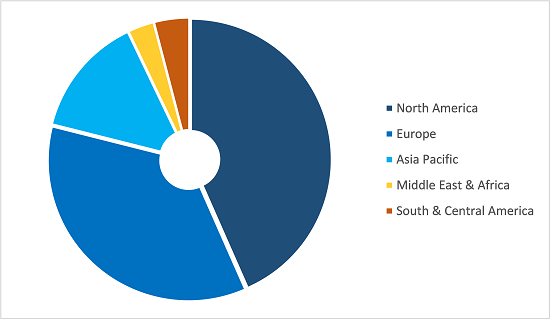
Asia Pacific Automated Waste Collection Systems Revenue and Forecast to 2028(US$ Million)
- This FREE sample will include data analysis, ranging from market trends to estimates and forecasts.
Asia Pacific Automated Waste Collection Systems Segmentation
By Product Type
- Stationary
- Mobile
By End User
- Airports
- Educational Institutions
- Hospitals
- Corporate Offices
- Hotels / Restaurants
- Others
By Country
- Asia Pacific
- Australia
- China
- India
- Japan
- South Korea
- Rest of APAC
Companies Mentioned -
- ENVAC AB
- STREAM ENVIRONMENT
- MARIMATIC OY
- MEIKO Group
- MABAT
- EVAC GROU
Asia Pacific Automated Waste Collection Systems Report Scope
| Report Attribute | Details |
|---|---|
| Market size in 2021 | US$ 53.52 Million |
| Market Size by 2028 | US$ 88.38 Million |
| CAGR (2021 - 2028) | 7.4% |
| Historical Data | 2019-2020 |
| Forecast period | 2022-2028 |
| Segments Covered |
By Product Type
|
| Regions and Countries Covered |
Asia-Pacific
|
| Market leaders and key company profiles |
|

- Historical Analysis (2 Years), Base Year, Forecast (7 Years) with CAGR
- PEST and SWOT Analysis
- Market Size Value / Volume - Regional, Country
- Industry and Competitive Landscape
- Excel Dataset
Recent Reports
Testimonials

The Insight Partners' SCADA System Market report is comprehensive, with valuable insights on current trends and future forecasts. The team was highly professional, responsive, and supportive throughout. We are very satisfied and highly recommend their services.
RAN KEDEM Partner, Reali Technologies LTDs
I requested a report on a very specific software market and the team produced the report in a few days. The information was very relevant and well presented. I then requested some changes and additions to the report. The team was again very responsive and I got the final report in less than a week.
JEAN-HERVE JENN Chairman, Future Analytica
We worked with The Insight Partners for an important market study and forecast. They gave us clear insights into opportunities and risks, which helped shape our plans. Their research was easy to use and based on solid data. It helped us make smart, confident decisions. We highly recommend them.
PIYUSH NAGPAL Sr. Vice President, High Beam Global
The Insight Partners delivered insightful, well-structured market research with strong domain expertise. Their team was professional and responsive throughout. The user-friendly website made accessing industry reports seamless. We highly recommend them for reliable, high-quality research services
YUKIHIKO ADACHI CEO, Deep Blue, LLC.
This is the first time I have purchased a market report from The Insight Partners.While I was unsure at first, I visited their web site and felt more comfortable to take the risk and purchase a market report.I am completely satisfied with the quality of the report and customer service. I had several questions and comments with the initial report, but after a couple of dialogs over email with their analyst I believe I have a report that I can use as input to our strategic planning process.Thank you so much for taking the extra time and making this a positive experience.I will definitely recommend your service to others and you will be my first call when we need further market data.
JOHN SUZUKI President and Chief Executive Officer, Board Director, BK Technologies
I wish to appreciate your support and the professionalism you displayed in the course of attending to my request for information regarding to infectious disease IVD market in Nigeria. I appreciate your patience, your guidance, and the fact that you were willing to offer a discount, which eventually made it possible for us to close a deal. I look forward to engaging The Insight Partners in the future, all thanks to the impression you have created in me as a result of this first encounter.
DR CHIJIOKE ONYIA MANAGING DIRECTOR, PineCrest Healthcare Ltd.Reason to Buy
- Informed Decision-Making
- Understanding Market Dynamics
- Competitive Analysis
- Identifying Emerging Markets
- Customer Insights
- Market Forecasts
- Risk Mitigation
- Boosting Operational Efficiency
- Strategic Planning
- Investment Justification
- Tracking Industry Innovations
- Aligning with Regulatory Trends
Unlock Exclusive Report Discounts
Enquire Now




 Get Free Sample For