
Cannabidiol Oil Market Demand, Share & Growth by 2034
Coverage: By Product Type (Pills, Tincture, Topicals, Isolates); Application (Pain Relive, Anxiety and Depression, Acne Treatment, Chemotherapy-induced Symptoms Treatment, Other Applications); Distribution Channel (Online-distribution, Pharmacies, Food and Grocery Stores), and Geography (North America, Europe, Asia Pacific, and South and Central America)
- Status : Data Released
- Report Code : TIPRE00008988
- Category : Life Sciences
- No. of Pages : 150
- Available Report Formats :


- Last update date : August 17, 2026


2025 Market Size
US$ 935.49 Mn
Base year value
2034 Forecast
US$ 8,924.73 Mn
Projected by 2034
CAGR 2026-2034
28.48 %
Growth rate
Addressable Market
US$ 36,037.99 Mn
(2026-2034)
The Cannabidiol Oil Market size is expected to grow from US$ 935.49 Million in 2025 to US$ 8,924.73 Million by 2034 at a Compound Annual Growth Rate of 28.48%. Growth factors include acceptance of cannabidiol-based wellness formulation, increased studies on prescriptions and standardization in oil extraction techniques. This market is also experiencing growth owing to increased retail penetration, clinical interests in symptom treatment and rising consumer preferences for non-intoxicating plant-based products.
North America will continue to be the most developed region. Size of this market is backed by presence of established hemp farming, wellness retail and acceptance of cannabinoid products by the states. This region will grow at a CAGR of 26-29% during 2026-2034 years due to standardized tinctures, pharmacy-focused distribution and usage of the product for pain relief, anxiety, dermatology and post-treatment wellness purposes.
Cannabidiol Oil Market Assessment and Insights
- North America: The region accounted for 43–47% share in 2025 and is expected to grow at a CAGR between 26–29% during 2026–2034, supported by hemp supply chains, regulated product testing, and strong direct-to-consumer penetration.
- US: The US represented 82–86% of North America in 2025 and is forecast to grow at a CAGR between 26–28% during 2026–2034, led by online distribution and branded tinctures.
- Europe: Europe held 24–28% share in 2025 and is projected to grow at a CAGR between 27–30% during 2026–2034, with the UK, Germany, and France leading through pharmacy access and controlled wellness channels.
- Asia Pacific: Asia Pacific accounted for 15–19% share in 2025 and is likely to grow at a CAGR between 31–34% during 2026–2034, led by China, Japan, India, South Korea, and Australia as regulations mature.
- Largest Segment: Tincture held 39–43% market share in 2025 and is expected to grow at a CAGR range of 27–30% during 2026–2034 due to dosing flexibility.
- High Growth Segment: Online-distribution held 31–35% market share in 2025 and is projected to grow at a CAGR range of 32–35% during 2026–2034 due to subscription-led retailing.
- Key companies analyzed in detail: Merck Animal Health, Pfizer Inc., Sanofi S.A., Zoetis Inc., Novartis AG, Bristol Myers Squibb Company, Eli Lilly and Company, Boehringer Ingelheim International GmbH, F. Hoffmann-La Roche Ltd, GSK plc.
Source: The Insight Partners' analysis based on proprietary research, government publications, company annual reports, investor presentations, industry databases, and expert interviews.
The product development process has progressed from basic hemp extracts to more specialized oils with a known cannabinoid content profile along with enhanced carrier systems and testing at the lot level. Cannabidiol Oil Market trends are being driven by improved extraction, greater traceability and move away from unregulated health and wellness oils towards more professional labeling. Limited cold-chain needs, stability testing, terpenes preservation and standardized labeling are becoming more common as an effort to minimize the variation between tinctures, capsules, isolates and topicals.
Going forward will be contingent on the clarification of the regulatory environment, physicians' familiarity and investments in regions where cannabinoid regulations are evolving from prohibition into a controlled distribution system. Emerging geographic areas in Asia Pacific and Latin America are appealing as consumers spend more money on wellness, and the local manufacturing expertise is not developed yet. The pharmaceuticals and biotech industry is looking into cannabinoid delivery technology as well.
Cannabidiol Oil Market Report Scope
| Report Attribute | Details |
|---|---|
| Market size in 2025 | US$ 935.49 Million |
| Market Size by 2034 | US$ 8,924.73 Million |
| Global CAGR (2026 - 2034) | 28.48% |
| Historical Data | 2021-2024 |
| Forecast period | 2026-2034 |
Cannabidiol Oil Market Analysis
The demand trend is also driven by the growing need of consumers to have non-intoxicating options for treating pain, stress, acne, and other symptoms induced by chemotherapy. Other drivers include aging demographics, e-education, and the desire for precise dosing over the uncontrolled herbal intake. The market value chain includes cultivation, extraction, distillation, formulation, testing, packaging, and distribution through various channels.
Current supply trends are inconsistent, as regulations differ from one country to another, and allowed tetrahydrocannabinol contents determine suppliers' choices. Companies with tested extraction methods and the ability to test their products for contaminants are more likely to provide products for pharmacies and retailers related to the food industry. Contract manufacturing is becoming increasingly important in oil production.
The market analysis depicts an industry environment that is segmented into pharmaceutical, animal health, cannabinoid, and wellness firms. The Merck Animal Health, Zoetis Inc., Boehringer Ingelheim International GmbH, and Elanco-like experts drive adjacent veterinary research, while Pfizer Inc., Sanofi S.A., Novartis AG, Eli Lilly and Company, Roche, Bristol Myers Squibb Company, and GSK plc set clinical grade requirements.
Investment trends are focused on compliant branding, scientifically substantiated product formulations, and channel partnerships. Large healthcare organizations do not all market the consumer oils, but the research standards set by them impact quality benchmarks. The smaller CBD-focused players differentiate through direct consumer reach, and larger pharmaceutical companies retain strategic flexibility with evolving prescription cannabinoid science and reimbursements.
● REPORT CUSTOMIZATION
Tailor This Report To Align With Your Specific Business Requirements
This report can be customized to align precisely with your business objectives, scope, and target markets. Customization options include tailored segmentation, geography, competitive analysis, and strategic insights to support informed decision-making.
Customize This Report →WHAT YOU CAN ADJUST
- ● Segmentations
- ● Geography
- ● Competitive Analysis
- ● Language Preferences
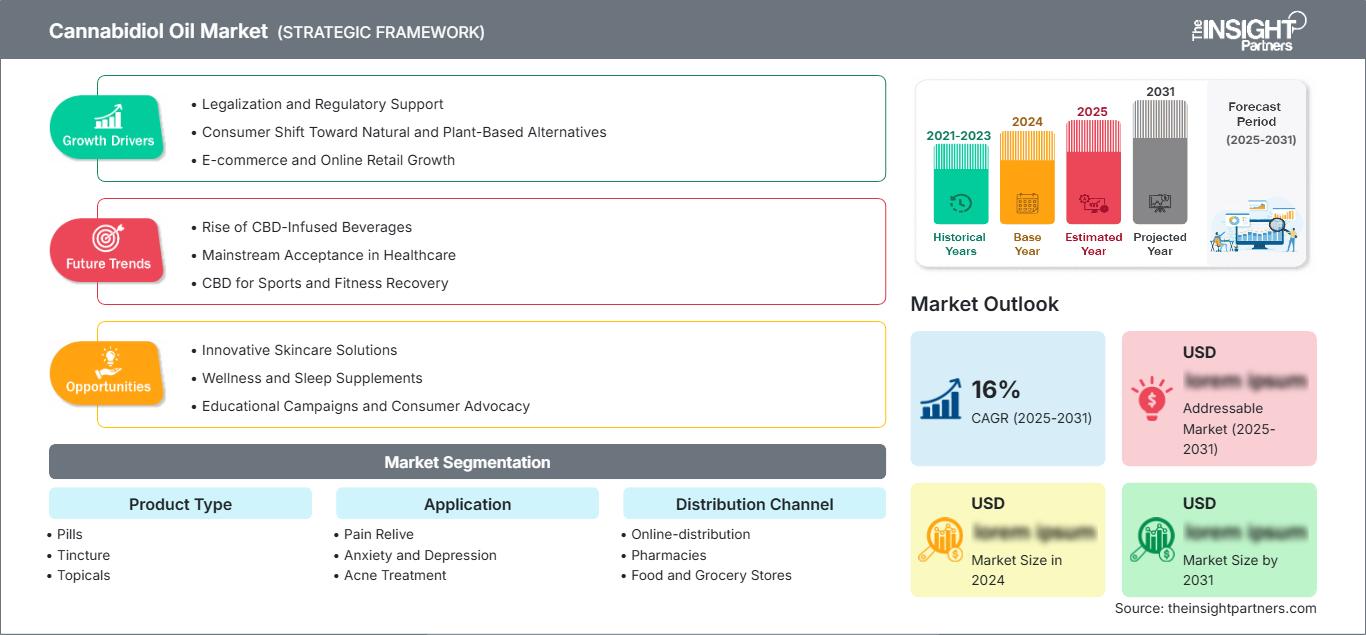
Cannabidiol Oil Market: Strategic Insights
Regional Insights
North America Cannabidiol Oil Market
The North America market share stood at 43-47% in 2025 and is expected to register growth at a 26-29% CAGR till 2034. The region has the advantage of well-established hemp cultivation, wide online sales network and consumer base which is aware about the tinctures, capsules and topical application. The Cannabidiol Oil Market share in the US is high compared to Canada and Mexico due to strong brand awareness and easier e-commerce delivery.
Regulatory issues persist as an obstacle, but at the same time encourage investment in product testing, labeling and traceable sourcing. Pharmacy-style retailing, condition-oriented marketing and subscription-based replenishment are helping to boost repeat sales. The professional wellness category is experiencing increased popularity, especially for pain management, anxiety/depression support, acne treatment and symptoms alleviation following chemotherapy treatment.
U.S. Cannabidiol Oil Market
North America is made up of 82-86% of the USA in 2025, and it is projected to grow at a compound annual growth rate (CAGR) range of 26-28% for 2026-2034. These figures are attributed to huge hemp acreage, advanced extraction abilities, and consumer retail framework supporting direct purchases, subscription deliveries, and pharmacy wellness aisles. The most common product forms include tinctures and topicals as they fit the self-administration model.
This country includes a wide variety of companies ranging from cannabinoid-focused to health care companies tracking regulatory therapy options. The indirect pressure created by Pfizer Inc., Eli Lilly and Company, Merck Animal Health, and Bristol Myers Squibb Company through clinical governance and pharmacovigilance, while CBD-focused companies are competing on the clarity of formulations. The applications targeting pain relief and anxiety support are the most repeatable applications.
Europe Cannabidiol Oil Market
Europe was responsible for 24–28% share in 2025 and will expand with a CAGR of 27–30% during 2026–2034. The United Kingdom is one of the largest markets because of the higher degree of retail awareness, pharmacists' consultations, and the active wellness consumer community. There will be a demand for products in the form of tinctures, capsules, and topical applications that would satisfy labeling standards and contaminant requirements.
Germany will experience growth owing to access through the pharmacies, development of medical cannabis industry, and consumer trust in legally controlled health products. The demand there is for products with standard oil and proper documentation that will enjoy approval from physicians. Countries like France, Italy, and Spain will develop gradually because of the food safety regulations, cautiousness of consumers, and new cannabinoid legislation.
APAC Cannabidiol Oil Market
APAC had a 15-19% market share in 2025, with a forecasted CAGR of 31-34% from 2026 to 2034. China is leading with industrial hemp manufacturing and capacity, while Japan and Australia have higher demand for controlled wellness and therapeutic products. South Korea and India are rising through pilot studies, specialty stores, and pharmaceuticals' involvement.
The growth is heavily influenced by policy regulations; there are different regulations concerning import approvals, product classification, and advertisement in each market. The well-developed wellness market in Japan, medical cannabis system in Australia, and experience with botanical medicine in India help in gradually implementing the product. Cannabidiol Oil Market growth in APAC region will rely on THC compliance and quality certificates along with collaboration with certified distributors.
Middle East & Africa Cannabidiol Oil Market
MEA is forecast to grow at a CAGR range of 20–24% during 2026–2034, with demand developing from a small base. South Africa is the leading country because its cannabis policy environment is more open than Saudi Arabia and the UAE. Adoption is concentrated in wellness retail, dermatology-related topicals, and imported specialty oils.
Saudi Arabia and the UAE remain cautious due to strict controlled-substance frameworks, although premium wellness infrastructure and medical tourism could support future regulated channels. Rest of MEA demand is fragmented and dependent on import rules. Energy-linked public investment in healthcare infrastructure may gradually support compliant pharmaceutical and wellness distribution.
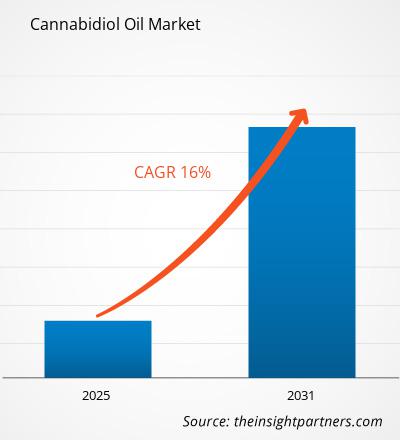
Segmentation Analysis
Product Type
Product Type is projected to grow at a CAGR range of 28–31% during 2026–2034. The Cannabidiol Oil Market scope across product formats is shaped by dose accuracy, application convenience, and consumer familiarity. Tinctures dominate because they support flexible intake, while pills attract users seeking consistent dosage. Topicals are expanding through skincare and localized pain applications, and isolates serve formulators requiring THC-free positioning.
- Pills: Pills appeal to users prioritizing measured intake, portability, and routine-based consumption. Their strategic importance increases in pharmacy settings where standardized serving size and discreet use support compliance.
- Tincture: Tinctures hold the strongest position because they offer flexible dosing and faster consumer acceptance. Brand differentiation depends on carrier oil quality, flavor, certificate availability, and cannabinoid consistency.
- Topicals: Topicals serve localized pain, skincare, and acne-related applications. Their non-ingestible nature supports cautious consumers and broadens retail availability where oral cannabidiol products face tighter scrutiny.
- Isolates: Isolates are important for manufacturers requiring controlled formulation, neutral flavor, and THC-free product claims. They support private-label development and ingredient supply for specialized finished products.
Application
Application is expected to grow at a CAGR range of 27–30% during 2026–2034. Demand varies by symptom area, with pain relief and anxiety and depression support generating the largest repeat-purchase patterns. Acne treatment is expanding through topical formats, while chemotherapy-induced symptom treatment remains more clinically sensitive and dependent on professional guidance, safety documentation, and jurisdiction-specific health claims.
- Pain Relive: Pain relief remains the most commercially visible application, supported by topical and tincture use. Consumers seek non-opioid wellness options, while brands compete through strength, absorption, and testing transparency.
- Anxiety and Depression: Anxiety and depression applications are expanding through tinctures and pills, although communication must avoid unsupported medical claims. Growth depends on consumer education and clinically responsible positioning.
- Acne Treatment: Acne treatment is gaining traction through topicals that combine cannabidiol oil with skincare carriers. Strategic value lies in dermatologist-adjacent branding, anti-inflammatory positioning, and clean-label packaging.
- Chemotherapy-induced Symptoms Treatment: Chemotherapy-induced symptom treatment is a specialist application where safety, drug interaction awareness, and physician oversight matter. Demand is smaller but strategically important for evidence-backed formulations.
Distribution Channel
Distribution Channel is projected to grow at a CAGR range of 29–32% during 2026–2034. Channels determine trust, repeat purchase, and product education. Online-distribution is scaling fastest because it supports subscriptions, product comparison, and lab-certificate access. Pharmacies add credibility for condition-oriented buyers, while food and grocery stores support mainstream visibility when local rules allow compliant shelf placement.
- Online-distribution: Online-distribution leads discovery and repeat purchasing through subscriptions, reviews, and certificate access. It allows brands to educate buyers while managing broader geographic reach and inventory variation.
- Pharmacies: Pharmacies build trust among consumers seeking professional guidance and safer product selection. Their role is strongest where regulations favor documented ingredients, dosing clarity, and pharmacist-assisted wellness purchases.
- Food and Grocery Stores: Food and grocery stores support mainstream adoption by placing cannabidiol products near wellness, supplements, and skincare categories. Success depends on compliant packaging and conservative product claims.
Opportunity Snapshot
| Segment Name | Revenue Contribution | Trend Tag | Adoption Stage |
| Pain Relive | High | Non-opioid | Scaling |
| Anxiety and Depression | High | Mood Support | Scaling |
| Acne Treatment | Medium | Skin Care | Scaling |
| Chemotherapy-induced Symptoms Treatment | Medium | Oncology Support | Emerging |
| Other Applications | Low | Wellness Use | Emerging |
Cannabidiol Oil Market Growth Drivers and Impact Analysis
Regulatory normalization of hemp-derived wellness products
Normalization is one of the key structural elements influencing demand because it moves the category from the informal retail space to the domain of controlled trade. Nations that define what is meant by the terms of growing hemp plants, acceptable amounts of THC, necessary product testing and labelling provide clear pathways for investment. This effect can be observed through greater involvement of pharmacies, improved customer confidence and greater readiness on the part of retail outlets to offer tinctures, pills and topical products. For companies, the process of normalization decreases the costs associated with entering the market due to the established documentation requirements. Nevertheless, it does not mitigate the risk associated with health claims, which continue to be severely limited.
Rising demand for non-intoxicating symptom management
Demand is growing because CBD oil is marketed as non-psychoactive and compatible with a well-being routine. For instance, pain relief, stress relief, acne treatment, and treatment of chemotherapy side effects result in different demand instances and allow creating targeted product lines instead of marketing general CBD products. The practical outcome is increased repurchase behavior, in particular, of tinctures and topicals that are applied during regular wellness routines. This demand driver is also related to the growing age of customers and the need to find an alternative to the opioid-oriented marketing strategy. It is possible to note that responsible communication and avoidance of exaggerated therapeutic properties and dosage information can foster customer trust.
Expansion of online and pharmacy-led distribution
Distribution is becoming a growth engine because consumers use online channels for product discovery and pharmacies for trust validation. Online-distribution supports subscriptions, reviews, certificate access, and rapid comparison among tinctures, pills, topicals, and isolates. Pharmacies strengthen legitimacy by creating an environment where buyers can ask questions about dosage, interactions, and product selection. The combined effect is a more organized purchase journey, reducing dependence on specialist cannabis stores. Food and grocery stores add visibility, but they require conservative claims and compliant packaging. Market leaders are likely to use omnichannel models that connect digital education with regulated retail access, improving customer retention while reducing acquisition costs over the forecast period.
Cannabidiol Oil Market Future Trends
Pharmaceutical-grade standardization will redefine product credibility
Market trends are moving toward pharmaceutical-grade documentation, even in wellness channels. Future products will be judged less by cannabinoid concentration alone and more by validated origin, contaminant controls, pharmacokinetic understanding, and batch stability. This shift will favor manufacturers that can demonstrate consistent potency across multiple production lots and provide accessible certificates of analysis. Retailers and pharmacies are expected to tighten supplier selection as consumer protection expectations rise. Over time, standardized oil bases, improved absorption technologies, and controlled-release concepts may help bridge the gap between consumer wellness and clinical cannabinoid development, especially for pain and anxiety-related positioning.
Localized regulatory pathways will shape regional product portfolios
Future expansion will not follow one global model because every region applies different rules to hemp extracts, THC limits, medical claims, and sales channels. Companies will increasingly design localized portfolios, such as THC-free isolates for restrictive markets, pharmacy-grade tinctures for Europe, and online subscription packs for North America. APAC markets may prioritize import documentation and conservative labeling, while MEA markets will require strict compliance with controlled-substance frameworks. This trend will push companies to build modular formulations and flexible packaging strategies. The winners will be firms that treat regulation as a product design input rather than a late-stage compliance hurdle.
Cannabidiol Oil Market Opportunities
Evidence-backed formulations for pharmacy and clinician channels
The strongest investment opportunity is evidence-backed formulation for pharmacy and clinician-adjacent channels. Companies can develop oils with standardized concentrations, verified carrier systems, and transparent safety files that support pharmacist recommendation without making unsupported medical claims. This approach is particularly relevant for pain relief, anxiety and depression support, and chemotherapy-induced symptom management, where consumers often seek guidance before purchase. Partnerships with testing laboratories, contract research organizations, and pharmacy chains can improve credibility. The opportunity is not limited to prescription products. A professionally documented wellness oil can command stronger retention, lower return rates, and better acceptance from regulated retailers than products positioned only through lifestyle branding.
APAC expansion through compliant distribution partnerships
APAC offers an attractive but complex growth opportunity because demand is rising faster than local regulatory maturity. Companies entering Japan, Australia, India, South Korea, and selected Southeast Asian markets should prioritize compliant import pathways, THC documentation, and partnerships with distributors experienced in supplements, dermatology, or pharmacy products. Market Forecasts suggest that early entrants with conservative labeling and strong testing records can build defensible positions before broader liberalization occurs. The most practical route is phased market entry, beginning with isolates or low-risk topical products where regulations are narrower. Long-term value will come from adapting product claims, packaging, and education strategies to each jurisdiction.
Recent Developments
- July 2026: Leiutis Pharmaceuticals LLP announced that India’s CDSCO granted approval to collaboration partner Zenara Pharma to manufacture and market its Synthetic Cannabidiol Oral Solution 150 mg/mL for mild to moderate anxiety disorders when used with cognitive behavioural therapy, positioning India as an important regulated cannabinoid innovation hub.
- January 2026: cbdMD, Inc. announced the acquisition of substantially all assets of Bluebird Botanicals, combining two hemp-derived wellness brands and adding regulatory documentation, safety assets, and intellectual property that the company expects to support future broad-spectrum and full-spectrum cannabinoid compliance strategies.
- December 2025: Jazz Pharmaceuticals plc announced new Epidiolex cannabidiol data and real-world evidence presentations at the American Epilepsy Society Annual Meeting, including interim findings from the EpiCom Phase 3b/4 trial evaluating behavioral and non-seizure outcomes in tuberous sclerosis complex-associated seizures.
Frequently Asked Questions

- Comprehensive Market Sizing and Forecast Analysis
- Detailed Segmentation Analysis
- In-Depth Market Dynamics Assessment
- Regional and Country-Level Insights
- Competitive Landscape and Company Benchmarking
- Strategic Business Intelligence
Recent Reports
Testimonials

The Insight Partners' SCADA System Market report is comprehensive, with valuable insights on current trends and future forecasts. The team was highly professional, responsive, and supportive throughout. We are very satisfied and highly recommend their services.
RAN KEDEM Partner, Reali Technologies LTDs
I requested a report on a very specific software market and the team produced the report in a few days. The information was very relevant and well presented. I then requested some changes and additions to the report. The team was again very responsive and I got the final report in less than a week.
JEAN-HERVE JENN Chairman, Future Analytica
We worked with The Insight Partners for an important market study and forecast. They gave us clear insights into opportunities and risks, which helped shape our plans. Their research was easy to use and based on solid data. It helped us make smart, confident decisions. We highly recommend them.
PIYUSH NAGPAL Sr. Vice President, High Beam Global
The Insight Partners delivered insightful, well-structured market research with strong domain expertise. Their team was professional and responsive throughout. The user-friendly website made accessing industry reports seamless. We highly recommend them for reliable, high-quality research services
YUKIHIKO ADACHI CEO, Deep Blue, LLC.
This is the first time I have purchased a market report from The Insight Partners.While I was unsure at first, I visited their web site and felt more comfortable to take the risk and purchase a market report.I am completely satisfied with the quality of the report and customer service. I had several questions and comments with the initial report, but after a couple of dialogs over email with their analyst I believe I have a report that I can use as input to our strategic planning process.Thank you so much for taking the extra time and making this a positive experience.I will definitely recommend your service to others and you will be my first call when we need further market data.
JOHN SUZUKI President and Chief Executive Officer, Board Director, BK Technologies
I wish to appreciate your support and the professionalism you displayed in the course of attending to my request for information regarding to infectious disease IVD market in Nigeria. I appreciate your patience, your guidance, and the fact that you were willing to offer a discount, which eventually made it possible for us to close a deal. I look forward to engaging The Insight Partners in the future, all thanks to the impression you have created in me as a result of this first encounter.
DR CHIJIOKE ONYIA MANAGING DIRECTOR, PineCrest Healthcare Ltd.Reason to Buy
- Informed Decision-Making
- Understanding Market Dynamics
- Competitive Analysis
- Identifying Emerging Markets
- Customer Insights
- Market Forecasts
- Risk Mitigation
- Boosting Operational Efficiency
- Strategic Planning
- Investment Justification
- Tracking Industry Innovations
- Aligning with Regulatory Trends





 Get Free Sample for