
Shrink and Stretch Sleeve Label Market Share, Growth & Demand by 2034
Coverage: By Material (Polyvinyl Chloride, Polystyrene, Polyethylene Terephthalate, Polyethylene, and Others), Product Type (Shrink Sleeves and Stretch Sleeves), Printing Technology (Flexographic, Digital Printing, Rotogravure Printing, and Others), and End-Use Industry (Food & Beverages, Pharmaceuticals, Chemicals, Consumer Goods, Personal Care & Cosmetics, Automotive & Transportation, and Others)
- Status : Data Released
- Report Code : TIPRE00009959
- Category : Chemicals and Materials
- No. of Pages : 150
- Available Report Formats :


- Last update date : July 17, 2026


2025 Market Size
US$ 11.81 Bn
Base year value
2034 Forecast
US$ 20.88 Bn
Projected by 2034
CAGR 2026-2034
6.5 %
Growth rate
Addressable Market
US$ 147.56 Bn
(2026-2034)
The Shrink and Stretch Sleeve Label Market is projected to grow from US$ 11.81 Billion in 2025 to US$ 20.88 Billion by 2034, registering a CAGR of 6.5% during 2026–2034. Demand is being shaped by sleeve formats that support 360-degree branding, tamper evidence, and container conformity across beverages, pharmaceuticals, personal care, and consumer packaged goods.
Across North America, brand owners are expected to advance at an estimated CAGR of 5.8–6.2%, supported by premium beverage launches and stronger demand for tamper-evident packaging. The Shrink and Stretch Sleeve Label Market size in the region benefits from automated filling lines, retailer packaging compliance, and growing use of recyclable PET and polyethylene films in short-run promotional packs.
Shrink and Stretch Sleeve Label Market Assessment and Insights
- North America accounted for 31–34% share in 2025 and is projected to grow at a CAGR of 5.8–6.2% during 2026–2034, led by beverages, pharmaceuticals, and premium household packaging.
- US represented 78–82% of North America in 2025 and is forecast to grow at a CAGR of 5.7–6.1% during 2026–2034.
- Europe held 26–29% share in 2025 and is expected to grow at a CAGR of 5.4–5.8%, with Germany, the UK, France, Italy, and Spain leading adoption.
- Asia Pacific captured 28–31% share in 2025 and is anticipated to grow at a CAGR of 7.1–7.6%, supported by China, India, Japan, South Korea, and Australia.
- Largest Segment Shrink sleeves held 66–69% market share in 2025 and are projected to grow at a CAGR of 6.2–6.6% during 2026–2034.
- High Growth Segment Digital printing held 13–16% market share in 2025 and is forecast to grow at a CAGR of 8.0–8.6% during 2026–2034.
- Key companies analyzed in detail: CCL Industries Inc., Huhtamaki Oyj, Berry Global Group, Inc., Amcor plc, Coveris Management GmbH, Stratus Packaging SAS, KP Holding GmbH & Co. KG, Fuji Seal International, Inc., Oerlemans Plastics B.V., Maca Srl
Source: The Insight Partners' analysis based on proprietary research, government publications, company annual reports, investor presentations, industry databases, and expert interviews.
Manufacturing has moved away from decoration of commodities to sleeve systems which comprise high shrink films, perforation control, better seam construction and press side color management. The Shrink and Stretch Sleeve Label Market has also been affected by the converters' interest in the development of flexographic, digital, and rotogravure capabilities for national brands. Resin choice is becoming more aligned with recyclability considerations, and production planning is becoming more geared towards regional fill centers to shorten lead times.
Future consumption is forecast to broaden in India, Southeast Asia, Mexico, and the Gulf region with an expansion in packaged beverages, OTC pharmaceuticals and personal care products via modern retailing channels. Packaging waste legislation is predicted to create opportunities for mono-material films, washable inks and sleeve labels that are suitable for inclusion in PET bottles' recycling stream. Investment will be directed towards higher speed applicators, inspection equipment and small batch printers.
Shrink and Stretch Sleeve Label Market Report Scope
| Report Attribute | Details |
|---|---|
| Market size in 2025 | US$ 11.81 Billion |
| Market Size by 2034 | US$ 20.88 Billion |
| Global CAGR (2026 - 2034) | 6.5% |
| Historical Data | 2021-2024 |
| Forecast period | 2026-2034 |
Shrink and Stretch Sleeve Label Market Analysis
Demand is based on packaged beverages, food safety, and differentiation in shelf appearance through the use of full body sleeves for branding ingredients, promotional activities, and tampering information on contoured bottles. The market will benefit from an increase in SKU fragmentation, shorter product refreshment cycles, and demand for visual consistency in packaging from bottles, jars, and multipacks from retailers.
The supply chain consists of resin producers, film extruders, ink suppliers, printers, sleeve seaming experts, applicators manufacturers, and brand owners. Supply will continue to be influenced by PVC alternative materials, PET recycling quality, and heating tunnels’ energy costs. Converters with built-in printing and finishing facilities have more advantages when handling fast-promotions, pharmaceuticals, and premium personal care products.
Competition intensity level is average as a result of global converters competing with regional specialists who provide quicker response and localized artwork support. Analysis of the Shrink and Stretch Sleeve Label Market indicates that CCL Industries Inc., Berry Global Group, Inc., Fuji Seal International, Inc., and Amcor plc base their strategy on scale, material science, and multinationals, while Stratus Packaging SAS and Maca Srl are competing through flexible service models.
Investments include digital printing, recycling, film inspection, and energy-efficient shrinking solutions. Huhtamaki Oyj and Coveris Management GmbH are oriented at sustainable packaging portfolios, while KP Holding GmbH & Co. KG and Oerlemans Plastics B.V. can contribute with their film expertise and downgauging / mono-material solutions. Increasing strategic differentiation will be based on print quality, regulation, and recycling design.
● REPORT CUSTOMIZATION
Tailor This Report To Align With Your Specific Business Requirements
This report can be customized to align precisely with your business objectives, scope, and target markets. Customization options include tailored segmentation, geography, competitive analysis, and strategic insights to support informed decision-making.
Customize This Report →WHAT YOU CAN ADJUST
- ● Segmentations
- ● Geography
- ● Competitive Analysis
- ● Language Preferences
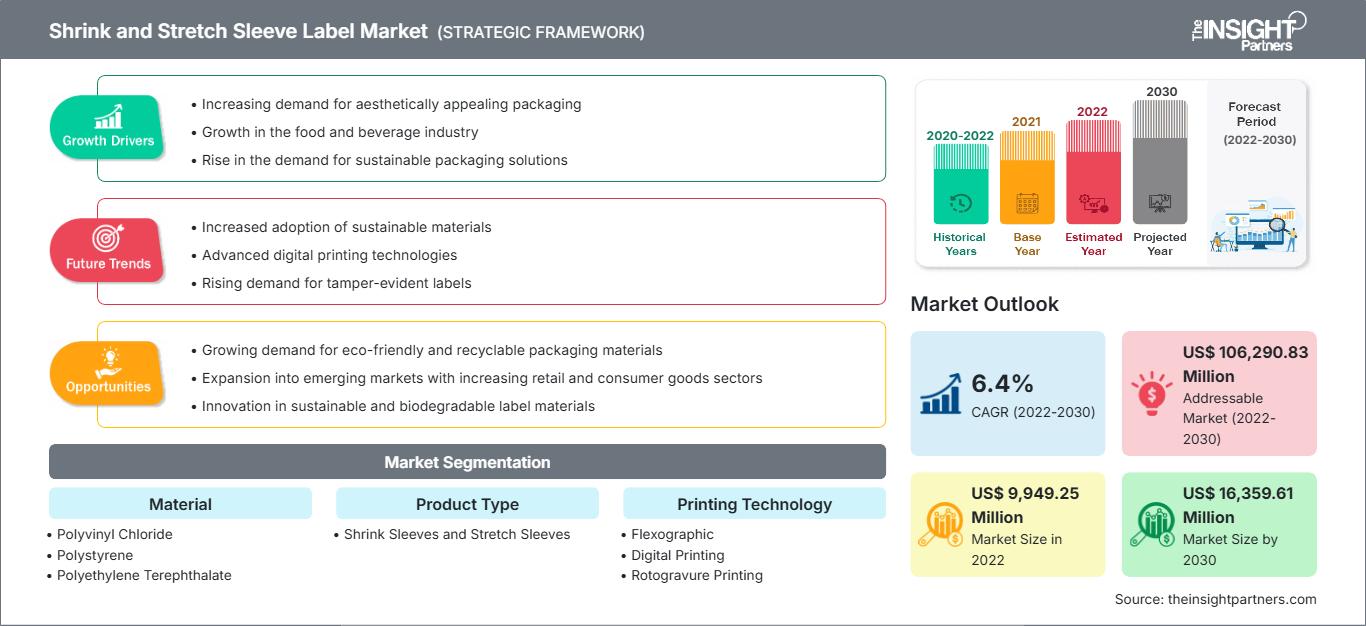
Shrink and Stretch Sleeve Label Market: Strategic Insights
Regional Insights
North America Shrink and Stretch Sleeve Label Market
North America represented 31–34% of global revenue in 2025 and is expected to expand at a CAGR of 5.8–6.2% through 2034. The region benefits from beverage innovation, nutraceutical packaging, and pharmacy retail requirements that favor tamper-evident neck bands and full-body sleeves. The Shrink and Stretch Sleeve Label Market share in North America is supported by dense filling networks and established converter capacity.
Structural demand is also linked to private-label growth, seasonal beverage launches, and premium personal care packaging. US and Canadian brands increasingly request recycling guidance before commercial artwork approval, pushing converters toward PET-compatible inks and clear wash-off designs. Mature supply chains limit extreme growth, but capital upgrades in digital printing and automated inspection keep the region strategically important.
U.S. Shrink and Stretch Sleeve Label Market
The US represents 78-82% of North America in 2025, and is expected to expand at a CAGR of 5.7-6.1% between 2026-2034. Sleeve labels find demand in carbonated beverages, functional beverages, OTC drugs, and cleaning products because of their visual appeal and anti-tampering properties. National brand owners require graphics consistency on high-speed filling machines.
The company reach is wide, and includes CCL Industries Inc., Berry Global Group, Inc., Amcor plc, and Fuji Seal International, Inc., which service national customers by leveraging expertise in film, print, and application. Multipack sleeves, specialty decoration of beverages, child resistant packaging in pharmacies, and personal care products with complex contours have been some of the major applications trends.
Sustainability assessment has become an important factor for material selection and retailer acceptance.
Europe Shrink and Stretch Sleeve Label Market
Europe held 26-29% of the market share in 2025 and is forecasted to grow at CAGR of 5.4-5.8%. In Europe, Germany leads in terms of demand through packaging of beverages, dairy and household chemicals. The UK focuses more on private label and packaging done using recycled materials. Demand in France, Italy and Spain is driven by packaging of cosmetics, wine, detergents and seasonal items.
Suppliers in Europe come under increasing pressure on account of design for recycling leading to use of films that can be easily separated such as PET films and polyethylene films. Germany and the UK would remain as the key markets owing to concentration of retail outlets in these regions and recycling facilities.
APAC Shrink and Stretch Sleeve Label Market
Share of APAC was 28-31% in 2025, and the region is expected to show the highest growth rate at a CAGR of 7.1-7.6%. China leads due to beverages, e-commerce packaging, and local converting capacities, whereas India is growing due to dairy beverages, personal care, and pharmaceutical packaging.
Premium quality packaging is supported by Japan and South Korea, and Australia is helping in the use of recyclable sleeves through retailer and municipal recycling initiatives. Favorable industrial policies supporting packaging locally, increasing urbanization, and cold chain logistics make for a broader addressable market for the Shrink and Stretch Sleeve Label Market.
Middle East & Africa Shrink and Stretch Sleeve Label Market
The Middle East & Africa market is forecast to register a CAGR of 5.9-6.4% up to 2034, with Saudi Arabia driving regional demand. The UAE represents premium beverages, cosmetics, and consumer goods imports, while South Africa provides scale in household care and food packaging. Other MEA demand is more project and distribution driven.
There are investments related to energy manufacturing, growing supermarkets, and infrastructure developments aiding penetration of packaged products. Despite converters in some countries needing to import specialty films locally, there is growth in regional printing capabilities. Opportunities in the region lie with heat resistance and tamper evidence for bottled water, dairy beverages, and personal care brands.
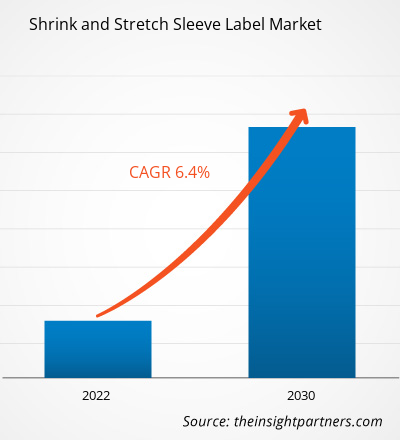
Segmentation Analysis
Material
Material is expected to grow at a CAGR of 6.1–6.6% during 2026–2034 as brands balance print quality, shrink performance, cost, and recyclability. The Shrink and Stretch Sleeve Label Market scope is shifting toward PET and polyethylene alternatives, though PVC remains relevant where cost, clarity, and established converting processes dominate procurement decisions.
- Polyvinyl Chloride remains widely used because it offers strong shrink performance, print clarity, and converter familiarity, although brand owners increasingly assess its fit against recycling and regulatory expectations.
- Polystyrene serves selected containers that require controlled shrink behavior and good aesthetics, but its strategic role is narrower where collection systems prioritize PET or polyethylene compatibility.
- Polyethylene Terephthalate gains preference in premium beverage and personal care applications because it supports recyclability narratives, high clarity, and stronger compatibility with bottle recovery programs.
- Polyethylene is important for stretch sleeves and mono-material concepts, especially where brands prioritize lower-density films, simplified recovery, and reduced dependence on heat-shrink application systems.
Product Type
Product Type is projected to grow at a CAGR of 6.3–6.8% during 2026–2034. Shrink sleeves dominate because they fit complex shapes and deliver high-impact graphics, while stretch sleeves gain attention for lower-energy application and container reuse concepts. Procurement decisions increasingly compare decoration quality with line speed, waste, and end-of-life performance.
- Shrink Sleeves lead adoption across beverages, pharmaceuticals, and personal care because they deliver full-body coverage, tamper evidence, and strong visual consistency on curved or irregular containers.
- Stretch Sleeves are strategically relevant for reusable containers, industrial packs, and lower-energy application lines, where elastic recovery and simplified removal can support circular packaging systems.
Printing Technology
Printing Technology is forecast to expand at a CAGR of 6.7–7.2% during 2026–2034. Flexographic platforms remain essential for volume efficiency, digital printing supports short campaigns and personalization, and rotogravure maintains relevance for high-definition national brand runs. Converters are prioritizing color control, faster changeovers, and lower waste during artwork revisions.
- Flexographic printing remains a core process for medium and large runs, offering cost efficiency, consistent color reproduction, and compatibility with a wide range of sleeve films.
- Digital Printing supports promotional packs, limited editions, and fast artwork changes, making it strategically valuable for brands managing fragmented SKUs and localized campaigns.
- Rotogravure Printing is preferred for premium graphics and very large production runs, especially where image fidelity, repeatability, and deep color saturation justify longer setup cycles.
End-Use Industry
End-Use Industry is expected to grow at a CAGR of 6.4–6.9% during 2026–2034. Food and beverages remain the largest demand base, while pharmaceuticals and personal care add value through safety, compliance, and premium decoration needs. Industrial uses are expanding where chemicals and automotive fluids require durable labels and clearer hazard communication.
- Food & Beverages generate high-volume demand through bottled drinks, dairy, condiments, and ready-to-consume products that require shelf impact, moisture resistance, and rapid promotional changeovers.
- Pharmaceuticals use sleeves for tamper evidence, dosage visibility, and anti-counterfeit communication, making reliability, regulatory alignment, and print legibility central to procurement decisions.
- Chemicals require durable sleeve solutions for cleaners, agrochemicals, and industrial liquids where abrasion resistance, warning visibility, and container conformity improve handling safety.
- Consumer Goods adopt sleeve labels for household products, seasonal bundles, and multipacks, using broader graphic space to strengthen branding and improve retail shelf recognition.
- Personal Care & Cosmetics rely on premium graphics, metallic effects, and shaped-container coverage to communicate quality, fragrance cues, and product differentiation in competitive retail channels.
- Automotive & Transportation use sleeves on lubricants, additives, and maintenance fluids where chemical resistance, hazard information, and brand authentication support aftermarket distribution.
Opportunity Snapshot
| End-Use Industry | Revenue Contribution | Trend Tag | Adoption Stage |
| Food & Beverages | High | Functional Drinks | Mature |
| Pharmaceuticals | Medium | Tamper Safety | Scaling |
| Chemicals | Medium | Hazard Clarity | Scaling |
| Consumer Goods | Medium | Seasonal Packs | Mature |
| Personal Care & Cosmetics | Medium | Premium Finish | Scaling |
| Automotive & Transportation | Low | Fluid Labels | Emerging |
Shrink and Stretch Sleeve Label Market Growth Drivers and Impact Analysis
Brand Differentiation Across Crowded Retail Shelves
Shelf space in retail stores has become more crowded with drinks, nutraceuticals, cosmetics, and home care products that share container design. With sleeve labels, full color label designs are possible without the need for secondary packaging and allow for conveying usage claims, flavors, ingredients, and visual identity of the brand. It becomes easier to launch products since the same bottle molds can be used for several SKUs. Seasonal beverages, private label products, and premium personal care benefit the most from this innovation. The more SKUs there are, the more competitive converters become with regard to color stability and quick turnarounds.
Rising Need for Tamper Evidence and Product Integrity
As the food industry is becoming more conscious of its food safety issues, needs in authenticating medicines/pharmaceuticals, and consumer requirements for trusting products, the trend towards signaling interference in packages is increasing. The shrink sleeve package can incorporate neck bands, perforations, security messaging, and legible warnings, thereby making it applicable to pharmaceutical products, nutritional supplements, sauces, beverages, and household chemicals. This is not only an effect due to the compliance requirement, but it also has an effect of reducing the ambiguity in recall and enhancing confidence at the point of sale.
Packaging Line Automation and Faster SKU Turnover
The shortening of the life cycle and increased frequency of promotions have led to a reconsideration of packaging processes in terms of brand owners. Sleeve applicators, heat tunnels, and inspection equipment can help minimize the dependency on labor, but also ensure uniformity at high line speeds. The result is that sleeves will see increased use in beverage, detergent, and cosmetic products manufacturing facilities. The implications for the market are real – fewer risks because of faster changeovers and the ability to use digital and flexo printing in local art work.
Shrink and Stretch Sleeve Label Market Future Trends
Recycling-Compatible Sleeve Architecture
Sleeve design is moving toward materials and inks that reduce contamination in PET bottle recovery and improve sorting outcomes. Future Shrink and Stretch Sleeve Label Market trends will emphasize floatable films, washable inks, controlled perforation, and clear design guidance for automated recycling facilities. This transition will not remove cost pressure, but it will shift purchasing criteria from print price alone to total packaging compliance. Brands that treat recyclability as a design input rather than a post-launch correction can reduce relabeling risk, support retailer scorecards, and improve access to regulated markets with stricter packaging waste rules.
Digital Workflow Integration for Short-Run Packaging
Workflow integration using digital technology will transform the way brands schedule art creation, approval processes, and sleeve printing. Proofing via cloud, variable data, and automated presses will help brands launch their limited edition packages and regional packs in a much shorter period of time. The advantage is on the side of converters who can integrate digital print materials with finishing and inspection along with material recommendation services. Digital technologies will also have an impact on inventory management for brands to minimize outdated labels and experiment with small campaigns.
Shrink and Stretch Sleeve Label Market Opportunities
Expansion in Functional Beverage and Dairy Packaging
Functional beverages, protein drinks, flavored milk, and probiotic products require labels that tolerate moisture, refrigeration, and frequent flavor extensions. Sleeve formats allow brands to use common bottles while differentiating products through graphics, nutrition claims, and tamper-evident closures. Investment opportunities exist in regional converting capacity near beverage clusters, especially where demand growth outpaces local print quality. Suppliers that offer PET-compatible films, low-migration inks, and rapid artwork turnaround can win with both established beverage groups and emerging wellness brands. The opportunity is strongest where cold-chain retail and convenience channels are expanding together.
Localized Pharmaceutical and Healthcare Labeling Capacity
Healthcare packaging creates an attractive opportunity because sleeve labels combine tamper evidence, anti-counterfeit messaging, dosage visibility, and multilingual communication. Localized production can reduce lead times for over-the-counter medicines, supplements, diagnostic products, and personal healthcare items. Investors can target clean printing environments, traceability controls, and inspection systems that meet stricter quality expectations. The opportunity differs from beverage packaging because regulatory documentation and batch consistency matter more than decorative variation. Converters that build pharmaceutical-grade processes can secure longer contracts and higher switching barriers while supporting public health supply chains in expanding markets.
Recent Developments
- February 2024: CCL Label, a global leader in specialty label, security and packaging solutions, has introduced a new version of its proven EcoFloat low-density polyolefin sleeve material: EcoFloat WHITE.
- April 2025: Klöckner Pentaplast (kp), a global leader in rigid and flexible packaging and specialty film solutions, has triumphed at the Plastics Recycling Awards Europe 2025, with its 100% kp Tray2Tray solution winning the prestigious 'Plastic Packaging Product of the Year' category. This recognition is expected to strengthen kp's market position and drive growth across its broader product portfolio, including its Shrink Sleeve Plastic Label Films, by reinforcing customer confidence in the company's innovative and sustainable packaging solutions.
- April 2025: Amcor plc announced the successful completion of its all-stock combination with Berry Global. Through this combination, Amcor enhances its position as a global leader in consumer and healthcare packaging solutions with the unique material science and innovation capabilities required to revolutionize product development and meet customers’ and consumers’ sustainability aspirations. With multiple new growth opportunities and US$ 650 million of identified synergies, Amcor is well placed to deliver significant near- and long-term value for customers and shareholders.
Frequently Asked Questions

- Comprehensive Market Sizing and Forecast Analysis
- Detailed Segmentation Analysis
- In-Depth Market Dynamics Assessment
- Regional and Country-Level Insights
- Competitive Landscape and Company Benchmarking
- Strategic Business Intelligence
Recent Reports
Testimonials

The Insight Partners' SCADA System Market report is comprehensive, with valuable insights on current trends and future forecasts. The team was highly professional, responsive, and supportive throughout. We are very satisfied and highly recommend their services.
RAN KEDEM Partner, Reali Technologies LTDs
I requested a report on a very specific software market and the team produced the report in a few days. The information was very relevant and well presented. I then requested some changes and additions to the report. The team was again very responsive and I got the final report in less than a week.
JEAN-HERVE JENN Chairman, Future Analytica
We worked with The Insight Partners for an important market study and forecast. They gave us clear insights into opportunities and risks, which helped shape our plans. Their research was easy to use and based on solid data. It helped us make smart, confident decisions. We highly recommend them.
PIYUSH NAGPAL Sr. Vice President, High Beam Global
The Insight Partners delivered insightful, well-structured market research with strong domain expertise. Their team was professional and responsive throughout. The user-friendly website made accessing industry reports seamless. We highly recommend them for reliable, high-quality research services
YUKIHIKO ADACHI CEO, Deep Blue, LLC.
This is the first time I have purchased a market report from The Insight Partners.While I was unsure at first, I visited their web site and felt more comfortable to take the risk and purchase a market report.I am completely satisfied with the quality of the report and customer service. I had several questions and comments with the initial report, but after a couple of dialogs over email with their analyst I believe I have a report that I can use as input to our strategic planning process.Thank you so much for taking the extra time and making this a positive experience.I will definitely recommend your service to others and you will be my first call when we need further market data.
JOHN SUZUKI President and Chief Executive Officer, Board Director, BK Technologies
I wish to appreciate your support and the professionalism you displayed in the course of attending to my request for information regarding to infectious disease IVD market in Nigeria. I appreciate your patience, your guidance, and the fact that you were willing to offer a discount, which eventually made it possible for us to close a deal. I look forward to engaging The Insight Partners in the future, all thanks to the impression you have created in me as a result of this first encounter.
DR CHIJIOKE ONYIA MANAGING DIRECTOR, PineCrest Healthcare Ltd.Reason to Buy
- Informed Decision-Making
- Understanding Market Dynamics
- Competitive Analysis
- Identifying Emerging Markets
- Customer Insights
- Market Forecasts
- Risk Mitigation
- Boosting Operational Efficiency
- Strategic Planning
- Investment Justification
- Tracking Industry Innovations
- Aligning with Regulatory Trends





 Get Free Sample for