Luxury Candle Market Size, Share & Demand by 2034
Luxury Candle Market Size and Forecast (2021 - 2034), Global and Regional Share, Trend, and Growth Opportunity Analysis Report Coverage: By Type (Scented and Regular) and Distribution Channel (Supermarkets and Hypermarkets, Specialty Stores, Online Retail, and Others)
Historic Data: 2021-2024 | Base Year: 2025 | Forecast Period: 2026-2034- Report Date : Apr 2026
- Report Code : TIPRE00024382
- Category : Consumer Goods
- Status : Upcoming
- Available Report Formats :


- No. of Pages : 150

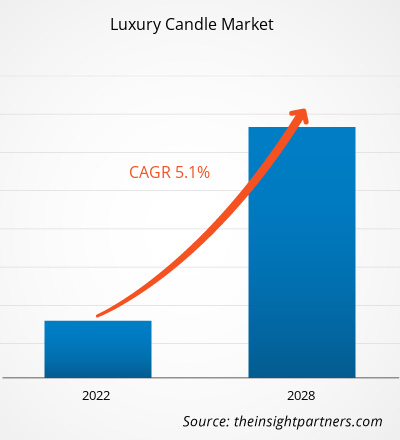
The global Luxury Candle market size is projected to reach US$ 682.36 million by 2034 from US$ 447.47 million in 2025. The market is anticipated to register a CAGR of 4.8% during the forecast period 2026–2034. Key market dynamics include a heightening global focus on home aesthetics and tablescaping, rising consumer interest in aromatherapy for mental wellness, and a significant shift toward clean-burning, sustainable ingredients. Additionally, the market is expected to benefit from the growing popularity of seasonal home fragrances, the expansion of high-end lifestyle boutiques, and the increasing inclusion of luxury candles in corporate gifting and premium hospitality segments.
Luxury Candle Market Analysis
The luxury candle market analysis indicates a strategic pivot toward olfactive branding, where scent is utilized as a primary tool for interior identity and mood regulation. Procurement trends suggest a bifurcation between heritage European fragrance houses and new-age indie brands that prioritize transparency in ingredient sourcing. Strategic opportunities are emerging in the bespoke and personalized segment, where custom-blended scents and monogrammed vessels offer a clear competitive advantage in the gift-giving market. The analysis also notes that market success is increasingly dependent on vessel design—transitioning the candle from a consumable to a permanent piece of home décor. To maintain high-margin positioning, producers must focus on limited-edition collaborations and refillable luxury models that address both consumer exclusivity and environmental sustainability.
Luxury Candle Market Overview
Luxury candles have transformed from a functional utility into a symbol of prestige and self-care. While historically dominated by traditional fragrance houses in France and the UK, luxury candles have expanded into a global lifestyle category featuring sophisticated scent profiles like smoke, leather, and rare botanicals. Both historic luxury maisons and modern artisanal studios are part of this market, utilizing high-quality wax blends such as soy, coconut, and beeswax to ensure a superior scent throw. Health-conscious consumers are increasingly seeking alternatives to paraffin, helping luxury candles gain popularity as a non-toxic luxury choice. Europe remains the epicenter of craftsmanship, but North America and Asia-Pacific have become leaders in trend-driven innovation, particularly through social media-led unboxing experiences and digital-first niche brands. For instance, the market in the US is characterized by a strong culture of seasonal home fragrance and the mainstreaming of wellness-centric lifestyles. Consumers increasingly treat luxury candles as essential home accessories, driven by the expansion of specialty lifestyle retailers and a robust domestic community of independent artisanal fragrance creators.
Customize This Report To Suit Your Requirement
Get FREE CUSTOMIZATIONLuxury Candle Market: Strategic Insights
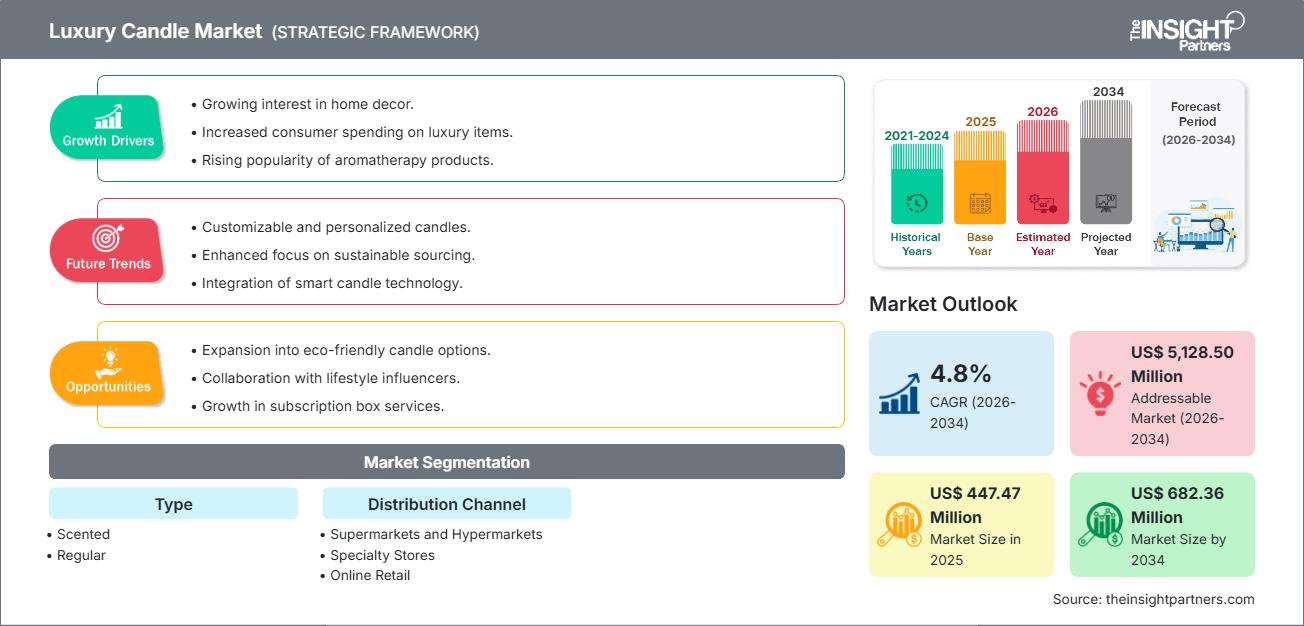
-
Get Top Key Market Trends of this report.This FREE sample will include data analysis, ranging from market trends to estimates and forecasts.
Luxury Candle Market Drivers and Opportunities
Market Drivers:
- Focus on Emotional Wellness and Aromatherapy: Consumers are increasingly viewing luxury candles as tools for stress relief and mindfulness. The use of high-concentration essential oils and complex scent layers that promote relaxation or focus is driving the adoption of premium candles as a core component of home-spa routines.
- Premiumization of Interior Décor: As the home-as-a-sanctuary trend grows, luxury candles are being marketed as decorative art pieces. Hand-blown glass, ceramic jars, and marble vessels allow these products to command premium prices, appealing to consumers who prioritize aesthetic consistency in their living spaces.
- Influence of Social Media and Influencer Marketing: The visual and sensory appeal of luxury candles makes them highly shareable on platforms like Instagram and TikTok. Viral candle-scaping trends and influencer endorsements have significantly lowered the cost of customer acquisition for niche brands, driving rapid growth in the direct-to-consumer segment.
Market Opportunities:
- Expansion into Sustainable and Circular Luxury: There is a significant opportunity for brands to introduce high-end refillable candle systems. By offering premium ceramic or metal vessels intended for lifelong use, brands can appeal to the eco-conscious luxury consumer while securing long-term customer loyalty through refill subscriptions.
- Growth in Men's Grooming and Lifestyle Fragrance: Traditionally a female-dominated market, there is a rising demand for masculine or gender-neutral scent profiles such as tobacco, oud, and sandalwood. Developing product lines tailored for male-centric spaces or studies represents an untapped high-margin corridor.
- Integration with Smart Home Technology: Strategic moves toward smart fragrance diffusion—where luxury scents are paired with automated lighting or soundscapes—offer a frontier for tech-integrated luxury home brands to capture a tech-savvy, affluent demographic.
Luxury Candle Market Report Segmentation Analysis
The Luxury Candle Market share is analyzed across various segments to provide a clearer understanding of its structure, growth potential, and emerging trends. Below is the standard segmentation approach used in most industry reports:
By Type:
- Scented: The dominant segment of the market, driven by the demand for complex, multi-layered fragrances that evoke specific memories or moods. This segment benefits most from the aromatherapy and wellness trends.
- Regular: A smaller, niche segment focused on high-quality, unscented candles used primarily for formal dining, event décor, and aesthetic lighting where fragrance might interfere with food or atmosphere.
By Distribution Channel:
- Supermarkets & Hypermarkets: Serves as a gateway for premium mass-market brands, benefiting from the inclusion of luxury aisles and seasonal displays in high-end grocery chains.
- Specialty Stores: The primary channel for high-end brands, including fragrance boutiques and home décor galleries, where curated selections and sensory testing are central to the consumer experience.
- Online Retail: The fastest-growing channel, facilitated by digital-first brands and premium e-commerce platforms. This channel is crucial for limited-edition drops and global reach for artisanal producers.
- Others: Includes department stores, luxury hotel gift shops, and corporate gifting platforms that cater to high-net-worth individuals and hospitality procurement.
By Geography:
- North America
- Europe
- Asia Pacific
- South & Central America
- Middle East & Africa
Luxury Candle Market Report Scope
| Report Attribute | Details |
|---|---|
| Market size in 2025 | US$ 447.47 Million |
| Market Size by 2034 | US$ 682.36 Million |
| Global CAGR (2026 - 2034) | 4.8% |
| Historical Data | 2021-2024 |
| Forecast period | 2026-2034 |
| Segments Covered |
By Type
|
| Regions and Countries Covered |
North America
|
| Market leaders and key company profiles |
|
Luxury Candle Market Players Density: Understanding Its Impact on Business Dynamics
The Luxury Candle Market is growing rapidly, driven by increasing end-user demand due to factors such as evolving consumer preferences, technological advancements, and greater awareness of the product's benefits. As demand rises, businesses are expanding their offerings, innovating to meet consumer needs, and capitalizing on emerging trends, which further fuels market growth.
Luxury Candle Market Share Analysis by Geography
Market Report Scope
Luxury Candle Market Share Analysis by Geography
Asia-Pacific is expected to grow fastest in the coming years. Emerging markets in South & Central America, the Middle East, and Africa also have many untapped opportunities for premium lifestyle brands and fragrance houses to expand.
The luxury candle market is undergoing a significant transformation, moving from a traditional decorative accessory to a global high-value functional lifestyle product. Growth is driven by the rising prevalence of home-centered wellness routines, a surge in tablescaping and aesthetic home décor demand, and the expansion of the luxury gift-giving sector. Below is a summary of market share and trends by region:
North America
- Market Share: A major and rapidly expanding segment driven by a robust gifting culture and the mainstreaming of wellness-led lifestyles.
- Key Drivers:
- Rising consumer preference for clean-burning, soy-based, and eco-friendly luxury formulations.
- Significant influence of social media platforms (Instagram/TikTok) on home aesthetic trends and candle discovery.
- Mainstreaming of premium home fragrances in high-end retail chains and specialized lifestyle boutiques.
- Trends: Scaling of direct-to-consumer (D2C) subscription models and the successful adoption of personalized, bespoke scent blending to appeal to affluent millennials and Gen Z.
Europe
- Market Share: Holds a substantial global share, anchored by heritage fragrance houses and long-standing artisanal traditions in France, the UK, and Italy.
- Key Drivers:
- High domestic consumption of iconic heritage brands with deep-seated olfactive history.
- Established high-end manufacturing infrastructure and strict regulatory frameworks for fragrance safety and emissions.
- Robust presence of luxury department stores and stand-alone boutiques in major fashion capitals.
- Trends: A strategic shift toward circular luxury, prioritizing refillable ceramic vessels and sustainable wax pools. There is also an increasing focus on organic and slow-craft certifications to meet eco-conscious demands.
Asia-Pacific
- Market Share: The fastest-growing region, with major urban centers in China and South Korea acting as the primary growth engines for premium home fragrance.
- Key Drivers:
- Massive consumer base in emerging economies seeking Western-style luxury lifestyle symbols and premium home goods.
- Government-supported initiatives to boost domestic consumption of high-value consumer goods.
- Rapid urbanization and rising disposable incomes are leading to a preference for fragrance-as-status in home décor.
- Trends: Heavy reliance on cross-border e-commerce platforms and the rise of local high-end artisanal brands that incorporate traditional regional botanical scents like jasmine and sandalwood.
South and Central America
- Market Share: Emerging market with a growing artisanal sector in major urban hubs like Brazil and Argentina.
- Key Drivers:
- Increasing awareness of the role of home fragrance in mental wellness and stress relief.
- Modernization of local craft workshops into commercial-grade premium brands to supply high-end residential developments.
- Rising interest in sophisticated, Mediterranean-inspired scent profiles among high-income urban segments.
- Trends: Growth of concept stores and the introduction of regionally inspired luxury candles that feature native South American ingredients to differentiate from European imports.
Middle East and Africa
- Market Share: Developing market with deep cultural roots in perfumery, transitioning toward formalized commercial luxury candle production.
- Key Drivers:
- Traditional presence of high-intensity fragrances (e.g., Oud and Amber) in regional lifestyle and hospitality.
- High demand for luxury ambient scenting in the booming premium hotel and tourism sector.
- Strategic investments in high-end retail infrastructure to reduce reliance on imported luxury goods.
- Trends: Implementation of modern fragrance diffusion and vessel design technologies to formalize the local market, coupled with a focus on high-throw, long-lasting products for large architectural spaces.
High Market Density and Competition
Competition is intensifying due to the presence of established leaders such as The Estée Lauder Companies Inc., Diptyque, SISLEY, HERMES, Creed Boutique, LLC, Acqua di Parma S.r.l., Newell Brands, Parfums de Marly, and Louis Vuitton, which also contribute to a diverse and rapidly expanding market landscape.
This competitive environment pushes vendors to differentiate through:
- Premiumization and Functional Branding: Brands are positioning luxury candles as essential wellness tools by emphasizing neuroscents—fragrances specifically designed to enhance focus, relaxation, or sleep—to appeal to health-conscious consumers.
- Diversification of Product Portfolios: Luxury candle offerings now extend beyond simple jars to include sculptural, hand-poured pillars that double as art, smart fragrance diffusers, and ultra-premium refillable systems that combine luxury with environmental responsibility.
- Vertical Integration and Supply Chain Transparency: Producers increasingly manage the entire supply chain, from sourcing ethically produced beeswax and coconut wax to hand-finishing vessels in small batches. This approach ensures high quality, exclusivity, and meets the rigorous clean-label standards of modern consumers.
- Advanced Olfactive and Material Innovation: New technologies in scent layering and the use of FSC-certified wooden wicks help create a superior sensory experience. In contrast, AI-driven data is used to personalize scent recommendations for digital-first shoppers.
Opportunities and Strategic Moves
- Partner with High-End Lifestyle Retailers and Digital Platforms: To tap into the surging demand for experiential luxury, brands are forming strategic partnerships with premium e-commerce sites and high-end spas, particularly in the Asia-Pacific and North American markets.
- Incorporate Circular Economy and Sustainable Design: There is a growing opportunity to adopt refillable luxury models and plastic-free packaging to appeal to environmentally conscious Gen Z and Millennial consumers who prioritize sustainability alongside prestige.
Major Companies operating in the Luxury Candle Market are:
- The Estée Lauder Companies Inc.
- Diptyque
- SISLEY
- HERMES
- Creed Boutique, LLC
- Acqua di Parma S.r.l.
- Newell Brands
- Parfums de Marly
- Louis Vuitton
Disclaimer: The companies listed above are not ranked in any particular order.
Luxury Candle Market News and Recent Developments
- In April 2025, Bolsius International B.V. acquired Boca Kaarsen, a company with over 60 years of experience supplying church candles and liturgical products in the Netherlands and Belgium. Before the acquisition, Boca maintained locations in Schijndel and Almere, while Bolsius produced similar products in Roermond under the name Kristen. This strategic move strengthened Bolsius' position in a changing and specialized market.
- In January 2025, L'OBJET proudly unveiled its latest collaboration with celebrated South African artist Ruan Hoffmann, blending art and design into an exceptional collection of home décor and fragrance. Known for his thought-provoking and witty creations, Hoffmann's artistic vision brought a unique charm to this partnership, resulting in functional yet visually stunning pieces.
Luxury Candle Market Report Coverage and Deliverables
The Luxury Candle Market Size and Forecast (2021–2034) report provides a detailed analysis of the market covering below areas:
- Luxury Candle Market size and forecast at global, regional, and country levels for all the key market segments covered under the scope
- Luxury Candle Market trends, as well as market dynamics such as drivers, restraints, and key opportunities
- Detailed PEST and SWOT analysis
- Luxury Candle Market analysis covering key market trends, global and regional framework, major players, regulations, and recent market developments
- Industry landscape and competition analysis covering market concentration, heat map analysis, prominent players, and recent developments in the Luxury Candle Market.
- Detailed company profiles
Frequently Asked Questions

- Historical Analysis (2 Years), Base Year, Forecast (7 Years) with CAGR
- PEST and SWOT Analysis
- Market Size Value / Volume - Global, Regional, Country
- Industry and Competitive Landscape
- Excel Dataset
Recent Reports
Testimonials

The Insight Partners' SCADA System Market report is comprehensive, with valuable insights on current trends and future forecasts. The team was highly professional, responsive, and supportive throughout. We are very satisfied and highly recommend their services.
RAN KEDEM Partner, Reali Technologies LTDs
I requested a report on a very specific software market and the team produced the report in a few days. The information was very relevant and well presented. I then requested some changes and additions to the report. The team was again very responsive and I got the final report in less than a week.
JEAN-HERVE JENN Chairman, Future Analytica
We worked with The Insight Partners for an important market study and forecast. They gave us clear insights into opportunities and risks, which helped shape our plans. Their research was easy to use and based on solid data. It helped us make smart, confident decisions. We highly recommend them.
PIYUSH NAGPAL Sr. Vice President, High Beam Global
The Insight Partners delivered insightful, well-structured market research with strong domain expertise. Their team was professional and responsive throughout. The user-friendly website made accessing industry reports seamless. We highly recommend them for reliable, high-quality research services
YUKIHIKO ADACHI CEO, Deep Blue, LLC.
This is the first time I have purchased a market report from The Insight Partners.While I was unsure at first, I visited their web site and felt more comfortable to take the risk and purchase a market report.I am completely satisfied with the quality of the report and customer service. I had several questions and comments with the initial report, but after a couple of dialogs over email with their analyst I believe I have a report that I can use as input to our strategic planning process.Thank you so much for taking the extra time and making this a positive experience.I will definitely recommend your service to others and you will be my first call when we need further market data.
JOHN SUZUKI President and Chief Executive Officer, Board Director, BK Technologies
I wish to appreciate your support and the professionalism you displayed in the course of attending to my request for information regarding to infectious disease IVD market in Nigeria. I appreciate your patience, your guidance, and the fact that you were willing to offer a discount, which eventually made it possible for us to close a deal. I look forward to engaging The Insight Partners in the future, all thanks to the impression you have created in me as a result of this first encounter.
DR CHIJIOKE ONYIA MANAGING DIRECTOR, PineCrest Healthcare Ltd.Reason to Buy
- Informed Decision-Making
- Understanding Market Dynamics
- Competitive Analysis
- Identifying Emerging Markets
- Customer Insights
- Market Forecasts
- Risk Mitigation
- Boosting Operational Efficiency
- Strategic Planning
- Investment Justification
- Tracking Industry Innovations
- Aligning with Regulatory Trends




 Get Free Sample For