Increasing Preference for Plant-Based Diets Bolsters North America Soy Protein Market Growth
According to our latest study on "North America Soy Protein Market Analysis and Forecast (2021–2031), Regional Growth Opportunity Analysis – by Type, Category, Form, and Application," the market size is expected to grow from US$ 1.48 billion in 2024 to US$ 2.41 billion by 2031; the North America soy protein market is estimated to register a CAGR of 7.2% from 2025 to 2031. The report highlights factors driving the growth of the North America soy protein market and prominent players, along with their developments in the market. Apart from the growth drivers, the report covers the North America soy protein market trends and their foreseeable impact during the forecast period.
Due to the increasing health and wellness consciousness, consumers are increasingly interested in high-quality alternatives to animal protein made of plant-based products. As a complete protein containing all the essential amino acids, soy protein is gaining popularity among health-conscious consumers, athletes, and vegetarian or vegan consumers. It is low in saturated fat and has cholesterol-lowering properties, appealing to individuals managing heart health, weight, or metabolic conditions. North American consumers are moving toward sustainable and ethical food options, driving the development of meat-free products, dairy-free products, and functional beverages. Soy protein is a versatile ingredient used in these products due to its versatility, texture, and protein content. Burger, sausages, yogurts, protein bars, and meal replacements are among the foods that food producers and startups are adding with soy protein to keep up with the growing demand for plant-based nutrition.
North America Soy Protein Market Growth, 2025-2031 (CAGR)
North America Soy Protein Market Size and Forecast (2021 - 2031), Regional Share, Trend, and Growth Opportunity Analysis Report Coverage: By Type (Soy Protein Concentrate, Soy Protein Isolate, Textured Soy Protein, and Soy Flour & Grits), Category (Conventional and Organic), Form (Dry and Liquid), Application (Bakery and Confectionery, Meat Alternatives, Dairy Alternatives, Infant Nutrition, Protein Supplements, Animal Nutrition, and Others), and Country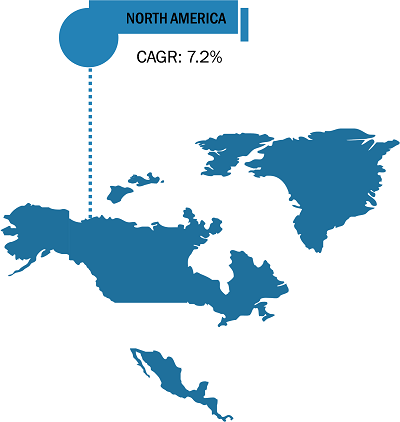
North America Soy Protein Market Size & Trends | 2025–2031
Download Free Sample
Environmental sustainability contributes to the consumption of soy proteins. Soy has a smaller carbon footprint, requires less water, and less land than animal protein. With ecological consciousness gaining importance, consumers and companies are focusing on sustainable ingredients, which is even strengthening the demand for soy protein. Food industry regulations and Environmental, Social, and Governance (ESG) objectives drive the trend toward plant-based supply chains, aligning with sustainability goals and consumer expectations.
Consumers increasingly scrutinize ingredient lists, preferring recognizable, minimally processed components—criteria that soy protein can meet when sourced and processed responsibly. Moreover, technological advancements in soy protein extraction and formulation are enhancing taste, solubility, and texture, which helps overcome earlier limitations in product development. This enables manufacturers to create more appealing and diverse soy protein–enriched foods across snacks, beverages, meal kits, and nutritional supplements. Additionally, the rise of personalized nutrition is opening new avenues for soy protein in customized health products targeting specific demographics, such as aging populations, athletes, and individuals with dietary restrictions. From a supply chain perspective, soy protein benefits from well-established agricultural infrastructure, especially in North America, which ensures availability and scalability. Strategic investments by food tech companies, ingredient suppliers, and consumer brands are further supporting research and innovation in soy protein applications. As sustainability, health, and convenience remain top priorities for modern consumers, soy protein stands out as a well-rounded solution that balances nutritional value, environmental impact, and economic viability—positioning it as a key driver in the future of the plant-based food industry.
The North America soy protein market report comprises the following segments: type, category, form, and application. Based on type, the market is segmented into soy protein concentrates, soy protein isolates, textured soy protein, and soy flour & grits. The soy protein concentrate segment held the largest North America soy protein market share in 2024. Soy protein concentrate is prepared by eliminating most of the soluble carbohydrates and fats within defatted soy flour, leaving a commodity containing 65-70% protein. It preserves the majority of the dietary fiber of soy. It is used in food processing due to its functional characteristics, including water and fat absorption, emulsification, and texture modification. It is widely applied to meat and poultry items, baked goods, nutrition bars, dairy substitutes, and animal food.
Based on category, the market is segmented into organic and conventional. The conventional segment held the largest North America soy protein market share in 2024. The conventional segment covers soy protein products produced out of crops cultivated under modern farming techniques, such as genetically modified (GM) seeds, synthetic pesticides, and other chemical fertilizers. Conventional soy protein is cost-effective and is preferred when the ingredient cost is critical in the formulation decisions and when the manufacturer operates on a large scale. Conventional soy protein has a well-developed supply chain catering to the vast volume requirements of industrial food manufacturing, spanning its many uses, including processed meat, bakery, and mass-market nutritional products.
Based on form, the market is bifurcated into dry and liquid. The dry segment held the largest share of the North America soy protein market in 2024. The dry form refers to powders, granules, and flakes. The most common forms used are dry soy protein, especially isolates and concentrates. The most popular formats in the largest application groups include protein supplements (powders), meat alternatives (textured granules), and bakery (flours).
Based on application, the market is segmented into bakery and confectionery, meat alternatives, dairy alternatives, infant nutrition, protein supplements, animal nutrition, and others. The meat alternatives segment held the largest share of the North America soy protein market in 2024. Soy offers the necessary fibrous texture, protein density, and binding qualities to replicate animal meat in burgers, crumbles, sausages, and chicken nuggets.
The demand for soy protein in North America is high due to the shift to a health-conscious and plant-based diet. Consumers are inclined toward alternative options for animal protein for personal health, sustainability, and ethical reasons. Soy protein is a highly digestible plant protein suitable for vegan, vegetarian, and flexitarian diets. It is extensively applied in meat alternatives, dairy substitutes, nutritional aids, and functional foods, which are all driving its demand in the region. Further, soy protein benefits the heart, weight, and muscle building, propelling its popularity among health-conscious consumers and fitness enthusiasts. With the emergence of food innovation and clean label trends, companies are creating new products that provide consumers with nutrition and convenience. Environmental-conscious consumers can relate to the environmental advantages of soy, including reduced greenhouse gas emissions and less land and water use than animal agriculture. Millennials and Gen Z are increasingly accommodating plant-based lifestyles, increasing the demand in North America. Its good distribution, product variety, and growing awareness contribute to the North America soy protein market share in terms of revenue in 2024.
The North America soy protein market forecast can help stakeholders plan their growth strategies. International Flavors & Fragrances Inc., Cargill Inc., Archer Daniels Midland Company, Bunge Global SA, SunOpta Inc., Farbest-Tallman Foods Corp, The Scoular Co., Sun Nutrafoods, Associated British Foods Plc, and American International Foods Inc. are among the prominent players profiled in the North America soy protein market report. These market players are providing high-quality products to fulfill customer demand. They are adopting new product launches, capacity expansions, partnerships, and collaborations to stay competitive in the North America soy protein market.
Contact Us
Phone: +1-646-491-9876
Email Id: sales@theinsightpartners.com