
Acromegaly Treatment Market Analysis, Development, and Forecast by 2034
Coverage: By Therapeutics (Progestogens, Corticosteroids, Combination Therapies, Others); Mechanism of Action (Appetite Stimulators, Weight Loss Stabilizers, Others); Distribution Channel (Hospital Stores, Retail Pharmacy Store, Online Pharmacy) , and Geography (North America, Europe, Asia Pacific, and South and Central America)
- Status : Data Released
- Report Code : TIPRE00005553
- Category : Life Sciences
- No. of Pages : 150
- Available Report Formats :


- Last update date : July 15, 2026


2025 Market Size
US$ 1.80 Bn
Base year value
2034 Forecast
US$ 3.34 Bn
Projected by 2034
CAGR 2026-2034
7.1 %
Growth rate
Addressable Market
US$ 23.19 Bn
(2026-2034)
The Acromegaly treatment market was valued at US$ 1.80 Billion in 2025 and is projected to reach US$ 3.34 Billion by 2034, expanding at a CAGR of 7.1% during 2026–2034. The market demonstrates continuous demand for medications for growth hormone excess and related metabolic problems through supportive medications and access models employed in the chronic treatment of acromegaly.
In North America, the acromegaly treatment market size is fueled by the high level of diagnoses of pituitary disorders, effective referral systems of endocrinologists, and reimbursement for branded and generic drugs. It is forecast to grow at a rate of 6.9 to 7.3 percent during 2026-2034 due to biochemical monitoring, specialist prescriptions, and online pharmacies.
Acromegaly Treatment Market Assessment and Insights
- North America: Share in 2025 is estimated at 38–40%, with CAGR between 2026–2034 at 6.9–7.3%, supported by advanced endocrine testing, strong specialty pharmacy networks, and high adherence to long-term treatment monitoring.
- US: Share in 2025 is estimated at 84–88% of North America, with CAGR between 2026–2034 at 6.8–7.2%, reflecting strong prescribing systems, payer coverage, and online refill adoption.
- Europe: Share in 2025 is estimated at 27–29%, with CAGR between 2026–2034 at 6.2–6.6%; Germany, the UK, France, Italy, and Spain lead through structured endocrine care and public reimbursement.
- Asia Pacific: Share in 2025 is estimated at 21–23%, with CAGR between 2026–2034 at 7.8–8.2%; China, Japan, India, South Korea, and Australia benefit from diagnosis expansion and pharmacy modernization.
- Largest Segment: Combination Therapies held a market share range of 44–48% in 2025, with CAGR between 2026–2034 at 7.2–7.6%, due to multi-symptom management needs.
- High Growth Segment: Online Pharmacy held a market share range of 18–22% in 2025, with CAGR between 2026–2034 at 8.3–8.7%, supported by chronic refill convenience and digital prescription systems.
- Key companies analyzed in detail: Novartis AG, Pfizer Inc., Viatris Inc., Zydus Pharmaceuticals (USA) Inc., Ipsen Pharma SAS, Validus Pharmaceuticals LLC, Teva Pharmaceutical Industries Ltd., Sandoz International GmbH, Fresenius Kabi AG, Crinetics Pharmaceuticals, Inc.
Source: The Insight Partners' analysis based on proprietary research, government publications, company annual reports, investor presentations, industry databases, and expert interviews.
Management approaches have moved away from episodic management of symptoms to more organized, pharmacy-driven chronic endocrine care. The production process takes into consideration generics production, specialty brands, sterility of supplies, and distribution through hospital pharmacies, community pharmacies, and online pharmacies. Pharmaceutical companies are now competing not only through offering drugs within a particular therapeutic class but also on the basis of reliable formulations, prescription, documentation, and patient compliance.
The positive development is predicted for the markets characterized by delayed diagnoses and the growth in the availability of specialists. Positive regulatory trends include the recognition of rare endocrine diseases, prescribing practices, and increased pharmacovigilance regulations for chronic hormonal and other therapy treatments. Efforts will be directed at improving access and affordability, pharmacy integration, and evidence development regarding coordination of treatment.
Acromegaly Treatment Market Report Scope
| Report Attribute | Details |
|---|---|
| Market size in 2025 | US$ 1.80 Billion |
| Market Size by 2034 | US$ 3.34 Billion |
| Global CAGR (2026 - 2034) | 7.1% |
| Historical Data | 2021-2024 |
| Forecast period | 2026-2034 |
Acromegaly Treatment Market Analysis
Demand is boosted by persistent endocrinological follow-ups, comorbidity treatments, and long periods of medication after diagnosing pituitary gland disease. The factors help to increase market growth in treating acromegaly due to the need of repeat prescriptions, laboratory tests, and medication changes. Value chain includes pharmaceutical companies, hospital stores, retail pharmacy stores, online pharmacy sites, endocrinologists, diagnostic labs, and payer authorization teams.
In the case of supply, the company should provide a variety of dosages and timely delivery of medications. Hospital stores play a significant role in initiation and complicated cases while retail pharmacies are responsible for maintenance of treatment. Growth of online pharmacies is driven by convenient refills, delivery services, and the use of e-prescriptions.
The acromegaly treatment market analysis indicates a competitive field shaped by endocrine experience and generic depth. The companies Novartis AG, Pfizer Inc., Ipsen Pharma SAS, and Crinetics Pharmaceuticals Inc. determine the expectations from branded drugs, while Viatris Inc., Teva Pharmaceutical Industries Ltd., Sandoz International GmbH, Zydus Pharmaceuticals (USA) Inc., and Fresenius Kabi AG provide access through the large-scale supply of pharmaceuticals.
Positioning is becoming more and more associated with pharmacy accessibility and support in chronic conditions proven by science. The role of Validus Pharmaceuticals LLC and other specialized players is relevant when differentiating formulation, licensing, and other peculiarities enhance accessibility of the product. Investment is made in the infrastructure supporting patients, refill solutions online, pharmacovigilance and regional collaborations that avoid any disruptions of the therapy.
● REPORT CUSTOMIZATION
Tailor This Report To Align With Your Specific Business Requirements
This report can be customized to align precisely with your business objectives, scope, and target markets. Customization options include tailored segmentation, geography, competitive analysis, and strategic insights to support informed decision-making.
Customize This Report →WHAT YOU CAN ADJUST
- ● Segmentations
- ● Geography
- ● Competitive Analysis
- ● Language Preferences
Acromegaly Treatment Market: Strategic Insights
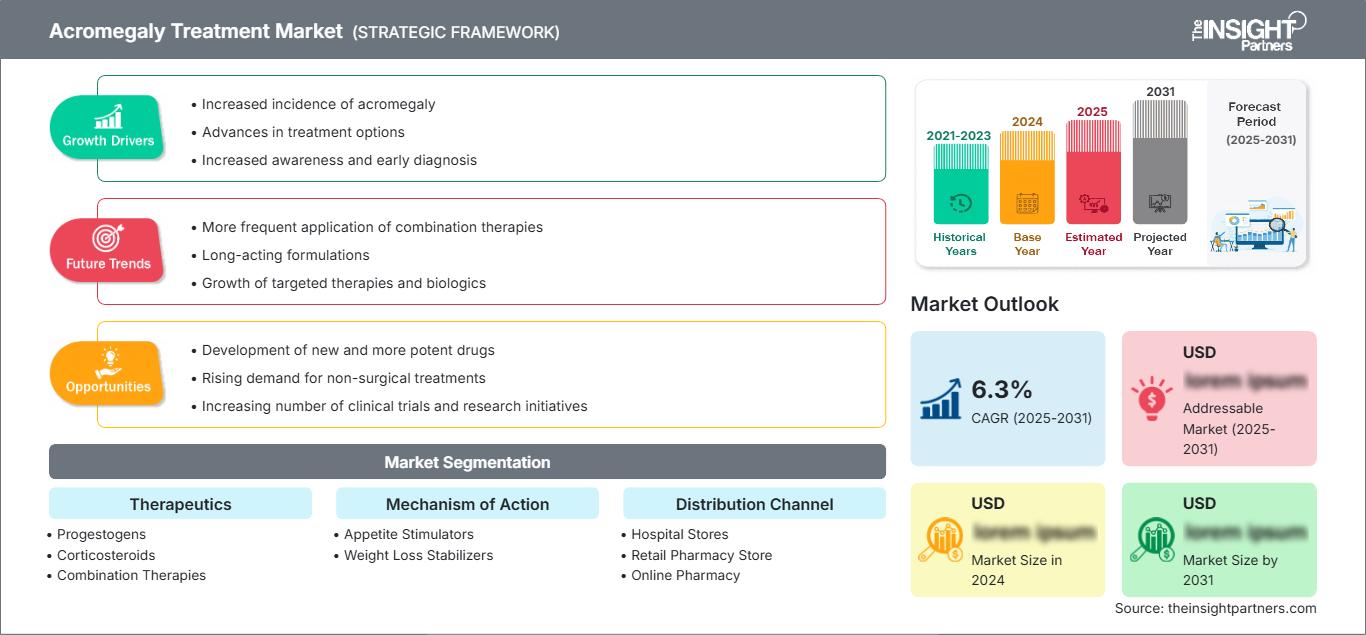
Regional Insights
North America Acromegaly treatment market
North America held an estimated 38-40% market share in 2025 and is expected to experience a growth rate of 6.9-7.3% CAGR over 2026-2034. North America will be boosted by presence of endocrinology network, MRIs for pituitary gland disorders, biochemical analysis, and robust prescription cover. Specialty and online pharmacies offer better follow-up for chronic care, particularly for repeat dispenses and insurance reporting.
North American acromegaly treatment market share is aided by the excellent adherence to clinical follow-ups and managed payer reviews for chronic endocrine drugs. The U.S. contributes the largest share of revenues within the region, with Canada contributing due to publicly sponsored specialty care routes. Greatest demand comes from locations where there is collaboration between hospitals, retail pharmacies, and online services for refill management.
U.S. Acromegaly treatment market
In 2025, the U.S. will constitute 84-88% of North America and will grow at a CAGR of 6.8-7.2% up until 2034. The factors driving the demand include commercial insurance, academia-based endocrine clinics, patient advocacy, and enhanced infrastructure of Pharmacy-Benefit Management.
There are a number of companies in both branded and generics markets. They include Novartis AG, Pfizer Inc., Ipsen Pharma SAS, Crinetics Pharmaceuticals, Inc., Teva Pharmaceutical Industries Ltd., and Viatris Inc. The market dynamics include formulary negotiation, prescriber confidence, and access to specialty pharmacies. Applications tend to focus on chronic supportive treatment, combinations, metabolism stability, and post-specialist assessment treatments.
Europe Acromegaly treatment market
The Europe region had about 27–29% market share in 2025 and is projected to witness a 6.2–6.6% CAGR between 2026 and 2034. The United Kingdom gains from general practitioner referral process, pituitary disease specialized centers, and payer discipline of reimbursement.
Germany is in the front ranks, thanks to endocrinology knowledge, presence of hospital pharmacies, and systematic chronic drug delivery system. The contributions of France, Italy, and Spain are due to the already existing health care program, medication prescription, and regular presence of retail pharmacies. European adaptation is properly assessed by the fact that payers take into account clinical need, sequencing of treatment, and cost factors.
APAC Acromegaly treatment market
APAC has 21–23% share in 2025 and is expected to register a CAGR of 7.8-8.2% from 2026-2034. China is dominant in terms of patients, whereas Japan has better endocrinology specialty infrastructure and better reimbursement.
Contributions made to growth by India, South Korea, and Australia come from private hospitals, pharmacies through the Internet, and improved diagnostics. Industrial factors such as manufacture of generics, electronic prescriptions, and expansion of cold chain network are included here. Insurance coverage and rare disease recognition are some examples of policies leading to improvements.
Middle East & Africa Acromegaly treatment market
Middle East & Africa is expected to grow at a 5.9–6.3% CAGR during 2026–2034, led by Saudi Arabia. The UAE, South Africa, and Rest of MEA contribute through tertiary hospitals, imported medicines, and gradually expanding endocrinology services.
The investment of energy towards health care in the Gulf region contributes towards the establishment of specialist clinics, advancements in hospital pharmacies, and chronic endocrine treatment centers. South Africa remains an important sub-regional supplier of services. The diagnostic delay, inequitable compensation, and import dependency remain some of the hindrances.
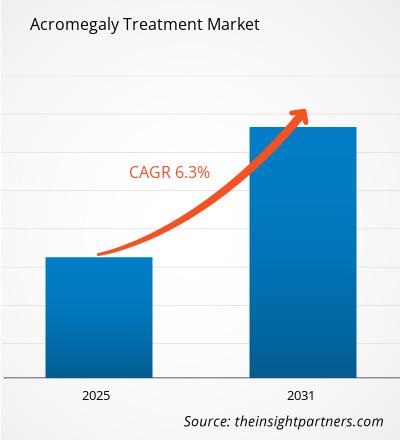
Segmentation Analysis
Therapeutics
The Therapeutics segment is expected to grow at a 7.0–7.4% CAGR during 2026–2034. The acromegaly treatment market scope across this segment is shaped by symptom burden, metabolic complications, long-term endocrine follow-up, and need for supportive prescribing. Combination approaches remain important because patients may require multiple medicines to address hormonal effects, inflammation, pain, weight changes, or treatment-related tolerability concerns.
- Progestogens: This sub-segment has selective positioning where hormonal modulation or supportive therapy is considered within broader endocrine care, with demand shaped by physician judgment and patient-specific comorbidity assessment.
- Corticosteroids: This sub-segment supports inflammatory and symptom-management needs in selected cases, especially when clinicians address treatment complications, swelling, pain, or short-term supportive care requirements.
- Combination Therapies: This sub-segment holds the strongest position because complex endocrine disease often requires layered treatment strategies, supportive medicines, monitoring, and physician-led adjustment over long care timelines.
Mechanism of Action
The Mechanism of Action segment is projected to grow at a 6.8–7.2% CAGR during 2026–2034. Appetite and weight-related effects are commercially relevant because acromegaly frequently intersects with metabolic dysfunction, body composition changes, and quality-of-life concerns. Mechanism selection depends on physician assessment, safety, comorbid diabetes risk, treatment burden, and compatibility with broader endocrine therapy.
- Appetite Stimulators: This sub-segment addresses selected nutritional and quality-of-life needs, particularly where chronic illness, therapy side effects, or metabolic imbalance affects food intake and overall patient resilience.
- Weight Loss Stabilizers: This sub-segment is strategically relevant as clinicians manage cardiometabolic risk, body composition changes, and long-term outcomes in patients requiring continuing endocrine and supportive therapy.
Distribution Channel
The Distribution Channel segment is forecast to grow at a 7.3–7.7% CAGR during 2026–2034, supported by chronic prescription requirements and evolving pharmacy infrastructure. Hospital stores remain important for therapy initiation, retail pharmacy stores support routine refills, and online pharmacy platforms are expanding through convenience, electronic prescription integration, and home delivery for stable patients.
- Hospital Stores: This sub-segment has strong relevance where diagnosis, specialist initiation, inpatient evaluation, and complex medication review occur within tertiary hospitals or endocrine centers.
- Retail Pharmacy Store: This sub-segment supports maintenance therapy, local access, pharmacist counseling, and repeat prescription fulfillment after patients transition from specialist centers to community-based care.
- Online Pharmacy: This sub-segment is scaling quickly because refill reminders, doorstep delivery, digital payments, and electronic prescription workflows improve convenience for patients managing long-term therapy.
Opportunity Snapshot
| Distribution Channel | Revenue Contribution | Trend Tag | Adoption Stage |
| Hospital Stores | High | Therapy Initiation | Mature |
| Retail Pharmacy Store | Medium | Maintenance Refills | Mature |
| Online Pharmacy | High | Digital Refills | Scaling |
Acromegaly Treatment Market Growth Drivers and Impact Analysis
Earlier Recognition of Pituitary-Related Endocrine Symptoms
Early diagnosis serves as a key market enabler because signs of acromegaly develop slowly and are easily confused with those of metabolic, orthopedic, cardiovascular, and sleep conditions. More endocrine diagnostic tests and wider availability of MRI services allow doctors to diagnose patients who had not been identified for many years. The market effect is increased uptake of therapies, more frequent interactions with pharmacies, and greater demand for additional drugs which are prescribed along with the treatment from specialists. Early diagnosis ensures that there are more diagnosed patients before developing complications. For drug companies and pharmacy chains, this means opportunities in physician training and medication compliance.
Expansion of Chronic Pharmacy-Based Care Models
Repeat dispensation, adjustment of doses, documentation for payers, and patient adherence in chronic therapies management is increasing the reliance on pharmacies. While hospital dispensaries play a crucial role in the initial stages, more stable therapy cases rely on retail and online pharmacies. Its real effect is increased importance of reliable logistics, stock management, and reminders for patients. An online pharmacy model also helps to facilitate the refills process for people living far from specialists' centers. Pharmacy networks will be beneficial for suppliers since they help to prevent missed doses and make prescription refilling easier.
Rising Need for Combination Management of Comorbidities
In most cases, there is need for therapy other than hormone replacement due to various complications that exist alongside acromegaly such as cardiometabolic issues, muscle issues, sleep problems, and general quality of life concerns. This makes case for combination therapy and use of drugs in other categories. In terms of market dynamics, the value of use of drugs is expanded to include corticosteroids, progestogens, appetite drugs, and stabilization therapies where appropriate. Doctors tend to focus on the overall burden of disease as opposed to mere biochemistry outcomes. With increasing individualization in treatment, companies with diverse products and good safety data can be used in multiple drug treatments.
Acromegaly Treatment Market Future Trends
Digital Pharmacy Integration and Adherence Analytics
Future acromegaly treatment market trends will increasingly center on pharmacy-linked adherence analytics, online refill automation, and electronic prescription integration. With chronic therapy comes the necessity for regular dispensing, reminders, and tracking of non-fill rates. The use of pharmacy digitization technology can allow clinicians to detect problems with adherence early and change their counseling before the problem of biochemical control escalates. This practice will also shape expectations of payers, as persistence is expected to become an important factor when determining reimbursement in the future. Online resources will not substitute specialized clinics; however, they can be used in-between visits with endocrinologist.
Greater Emphasis on Real-World Safety and Therapy Sequencing
Choice of treatments will depend on how well various treatment regimens are compared for tolerance, compliance, metabolic impact, and interaction with other medications. Data from the real world will be crucial since patients suffer from conditions such as diabetes, hypertension, sleep apnea, or muscle-skeleton system disease. There will likely be more structure in terms of therapy sequences, particularly if the therapies will complement each other. This trend will increase the importance of pharmacovigilance systems, registry data, and pharmacy outcomes management. Pharmaceutical companies that can prove their safety and usability among different patients will receive an advantage.
Acromegaly Treatment Market Opportunities
Online Pharmacy Partnerships for Long-Term Prescriptions
Online pharmacy partnerships offer a clear investment opportunity because patients often require years of repeat therapy and supportive medication access. The acromegaly treatment market Forecasts indicate stronger value creation where digital channels connect prescription validation, refill scheduling, home delivery, pharmacist counseling, and reimbursement support. Manufacturers and distributors can collaborate with compliant platforms to reduce stockouts and maintain continuity after dose stabilization. The opportunity is strongest in North America, Europe, India, China, and urban Gulf markets where electronic prescriptions are expanding. Commercial returns depend on trust, data privacy, reliable delivery, and coordination with endocrinology clinics rather than standalone online sales.
Portfolio Optimization for Supportive Combination Care
Firms have an opportunity to build on their positioning by linking complementary medications to endocrine care protocols which target issues such as inflammation, appetite changes, weight management, and symptom burden. Such an approach is practical for firms that manufacture various drugs and maintain relationships with pharmacists through hospitals, retail pharmacies, and web pharmacies. Marketing efforts will be directed towards educating patients on the use of the drugs in question and safety monitoring, as opposed to mass marketing campaigns. Such an approach benefits health care organizations since coordination of combination care can help in identifying any drug interactions.
Recent Developments
- January 2026: Camurus AB announced U.S. FDA acceptance of the NDA resubmission for Oclaiz, CAM2029, an octreotide extended-release injection for acromegaly, with a PDUFA target action date of 10 June 2026. The product is designed for once-monthly subcutaneous self-administration using FluidCrystal technology and an autoinjector pen.
- September 2025: Crinetics Pharmaceuticals, Inc. received U.S. FDA approval for PALSONIFY, paltusotine, for adults with acromegaly who had inadequate response to surgery or for whom surgery is not an option. The approval established the first once-daily oral FDA-approved treatment for adults with acromegaly.
- July 2025: Camurus AB received European Commission marketing authorization for Oczyesa, octreotide subcutaneous depot, for maintenance treatment in adult acromegaly patients who responded to and tolerated somatostatin analogs. The company described it as the first approved once-monthly subcutaneous octreotide treatment for acromegaly in the EU.
Frequently Asked Questions

- Comprehensive Market Sizing and Forecast Analysis
- Detailed Segmentation Analysis
- In-Depth Market Dynamics Assessment
- Regional and Country-Level Insights
- Competitive Landscape and Company Benchmarking
- Strategic Business Intelligence
Recent Reports
Testimonials

The Insight Partners' SCADA System Market report is comprehensive, with valuable insights on current trends and future forecasts. The team was highly professional, responsive, and supportive throughout. We are very satisfied and highly recommend their services.
RAN KEDEM Partner, Reali Technologies LTDs
I requested a report on a very specific software market and the team produced the report in a few days. The information was very relevant and well presented. I then requested some changes and additions to the report. The team was again very responsive and I got the final report in less than a week.
JEAN-HERVE JENN Chairman, Future Analytica
We worked with The Insight Partners for an important market study and forecast. They gave us clear insights into opportunities and risks, which helped shape our plans. Their research was easy to use and based on solid data. It helped us make smart, confident decisions. We highly recommend them.
PIYUSH NAGPAL Sr. Vice President, High Beam Global
The Insight Partners delivered insightful, well-structured market research with strong domain expertise. Their team was professional and responsive throughout. The user-friendly website made accessing industry reports seamless. We highly recommend them for reliable, high-quality research services
YUKIHIKO ADACHI CEO, Deep Blue, LLC.
This is the first time I have purchased a market report from The Insight Partners.While I was unsure at first, I visited their web site and felt more comfortable to take the risk and purchase a market report.I am completely satisfied with the quality of the report and customer service. I had several questions and comments with the initial report, but after a couple of dialogs over email with their analyst I believe I have a report that I can use as input to our strategic planning process.Thank you so much for taking the extra time and making this a positive experience.I will definitely recommend your service to others and you will be my first call when we need further market data.
JOHN SUZUKI President and Chief Executive Officer, Board Director, BK Technologies
I wish to appreciate your support and the professionalism you displayed in the course of attending to my request for information regarding to infectious disease IVD market in Nigeria. I appreciate your patience, your guidance, and the fact that you were willing to offer a discount, which eventually made it possible for us to close a deal. I look forward to engaging The Insight Partners in the future, all thanks to the impression you have created in me as a result of this first encounter.
DR CHIJIOKE ONYIA MANAGING DIRECTOR, PineCrest Healthcare Ltd.Reason to Buy
- Informed Decision-Making
- Understanding Market Dynamics
- Competitive Analysis
- Identifying Emerging Markets
- Customer Insights
- Market Forecasts
- Risk Mitigation
- Boosting Operational Efficiency
- Strategic Planning
- Investment Justification
- Tracking Industry Innovations
- Aligning with Regulatory Trends





 Get Free Sample for