
Artificial Kidney Market Share, Size & Demand by 2034
Coverage: by Type (Wearable Artificial Kidney and Implantable Artificial Kidney), Application (Adults and Pediatrics), End User (Hospitals, Clinics, and Ambulatory Surgical Centers), and Geography (North America, Europe, Asia Pacific, and South and Central America)
- Status : Data Released
- Report Code : TIPRE00003090
- Category : Life Sciences
- No. of Pages : 150
- Available Report Formats :


- Last update date : September 02, 2026


2025 Market Size
US$ 2.78 Bn
Base year value
2034 Forecast
US$ 7.82 Bn
Projected by 2034
CAGR 2026-2034
12.18 %
Growth rate
Addressable Market
US$ 46.43 Bn
(2026-2034)
The artificial kidney market is valued at US$ 2.78 Billion in 2025 and is projected to reach US$ 7.82 Billion by 2034, expanding at a 12.18% CAGR during 2026–2034. The market is experiencing transformation from the traditional, clinic-based renal replacement to more portable and even implantable devices. The expansion of the market is facilitated by technological miniaturization, growing interest in home dialysis and investments in more advanced renal replacement systems.
The artificial kidney market size in North America is driven by the well-established dialysis infrastructure, high level of clinical research activity and the growing interest in devices that would help decrease dependence on traditional in-clinic treatment. It is projected to grow at a rate of about 11.2–12.8% CAGR during 2026–2034.
Artificial Kidney Market Assessment and Insights
- North America: North America is expected to represent 38–42% share in 2025, growing at an 11.2–12.8% CAGR between 2026–2034, supported by advanced renal-care infrastructure, clinical research, reimbursement capabilities, and early adoption of wearable technologies.
- US: The US is estimated to account for 84–88% of North America's 2025 share, with an 11.4–13.0% CAGR between 2026–2034, reflecting substantial ESRD treatment capacity and technology development.
- Europe: Europe is projected to hold 27–31% share in 2025 and grow at an 11.6–13.1% CAGR between 2026–2034, with Germany, the UK, France, Italy, and the Netherlands supporting adoption through home-care programs and renal technology research.
- Asia Pacific: Asia Pacific is estimated at 19–23% share in 2025, expanding at a 13.0–14.7% CAGR between 2026–2034. China, Japan, South Korea, India, and Australia provide strong opportunities through expanding dialysis access and medical-device capabilities.
- Largest Segment: Wearable Artificial Kidney is estimated at 61–65% market share in 2025, with a 12.0–13.2% CAGR during 2026–2034, reflecting nearer-term technological maturity.
- High Growth Segment: Implantable Artificial Kidney is expected to record a 13.8–15.5% CAGR during 2026–2034, supported by advances in silicon membranes, bioreactors, and implantable-device engineering.
- Key companies analyzed in detail: Medtronic, B. Braun Melsungen AG, Nikkiso Co., Ltd., Kawasumi Laboratories, Inc., Fresenius SE & Co. KGaA, Baxter International Inc., Asahi Kasei Medical Co., Ltd., DaVita Inc., Merit Medical Systems, Inc., and NIPRO CORPORATION.
Source: The Insight Partners' analysis based on proprietary research, government publications, company annual reports, investor presentations, industry databases, and expert interviews.
Technological progression will change the direction of kidney replacement from large stationary units towards miniaturization of filtration process, dialysate regeneration based on sorbent technology, efficient pump systems, membrane technology and biosensor systems. Clinical feasibility of wearable devices has already been shown, but earlier experiences revealed flow control and circuit management problems. Implantable solutions involve hemofiltration together with reabsorption biological processes that will require considerable advancements in terms of biocompatibility, manufacturing and reliability.
During the forecast period, major investments will be directed at clinical proof, manufacturing, reimbursement evidence and regulatory preparedness. Europe and Asia Pacific can become centers for further development of the technology as the engineering knowledge grows while North America will stay the center for commercialization activities. The increasing body of evidence stimulates university-device manufacturer-dialysis company-partnership with technology companies that can lower the risks associated with development.
Artificial Kidney Market Report Scope
| Report Attribute | Details |
|---|---|
| Market size in 2025 | US$ 2.78 Billion |
| Market Size by 2034 | US$ 7.82 Billion |
| Global CAGR (2026 - 2034) | 12.18% |
| Historical Data | 2021-2024 |
| Forecast period | 2026-2034 |
Artificial Kidney Market Analysis
Artificial kidney market growth is being driven by shortcomings in intermittent dialysis, home demand, and the physiologic goal in clinical practice to offer more physiologic renal replacement. The ecosystem comprises membrane suppliers, pump and sensors providers, dialysis consumables makers, clinical R&D players, hospitals, home care centers, and reimbursement players. The wearable system will need proprietary sorbents, batteries, small pumps, vascular access elements, and monitors, thereby offering various value chain tiers.
Technology is what defines supply because industrial-scale production would have to be based on biocompatibility, sterilization, membranes, fluidics, and quality control. The established dialysis companies have the advantage with respect to regulatory requirements and production capability, whereas the specialists differ in architecture. Therefore, it is necessary to analyze not only the products themselves but also the associated consumables, services, clinical studies, payment processes, and production scalability.
The competition becomes more technology-platform based as opposed to traditional dialysis machine specifications. Medtronic, B. Braun Melsungen AG, Nikkiso Co., Ltd., Fresenius SE & Co. KGaA, Baxter International Inc., Asahi Kasei Medical Co., Ltd., and NIPRO CORPORATION all have excellent renal care and medical device skills, whereas Merit Medical Systems, Inc. and Kawasumi Laboratories, Inc. have relevant interventional and access capabilities. DaVita Inc. becomes an important point of view of a provider side due to the need to combine commercialization within dialysis processes.
The strategic positioning therefore evolves towards partnership building, clinical studies and integration of adjacent technologies. Most successful will be those companies that can incorporate filtration materials, digital tracking system, fluid management and homecare infrastructure. Investments remain relatively targeted due to the requirement for extensive clinical trials of implantable systems. For instance, the Kidney Project remains under development showing both technical possibilities and a long commercialization path.
● REPORT CUSTOMIZATION
Tailor This Report To Align With Your Specific Business Requirements
This report can be customized to align precisely with your business objectives, scope, and target markets. Customization options include tailored segmentation, geography, competitive analysis, and strategic insights to support informed decision-making.
Customize This Report →WHAT YOU CAN ADJUST
- ● Segmentations
- ● Geography
- ● Competitive Analysis
- ● Language Preferences
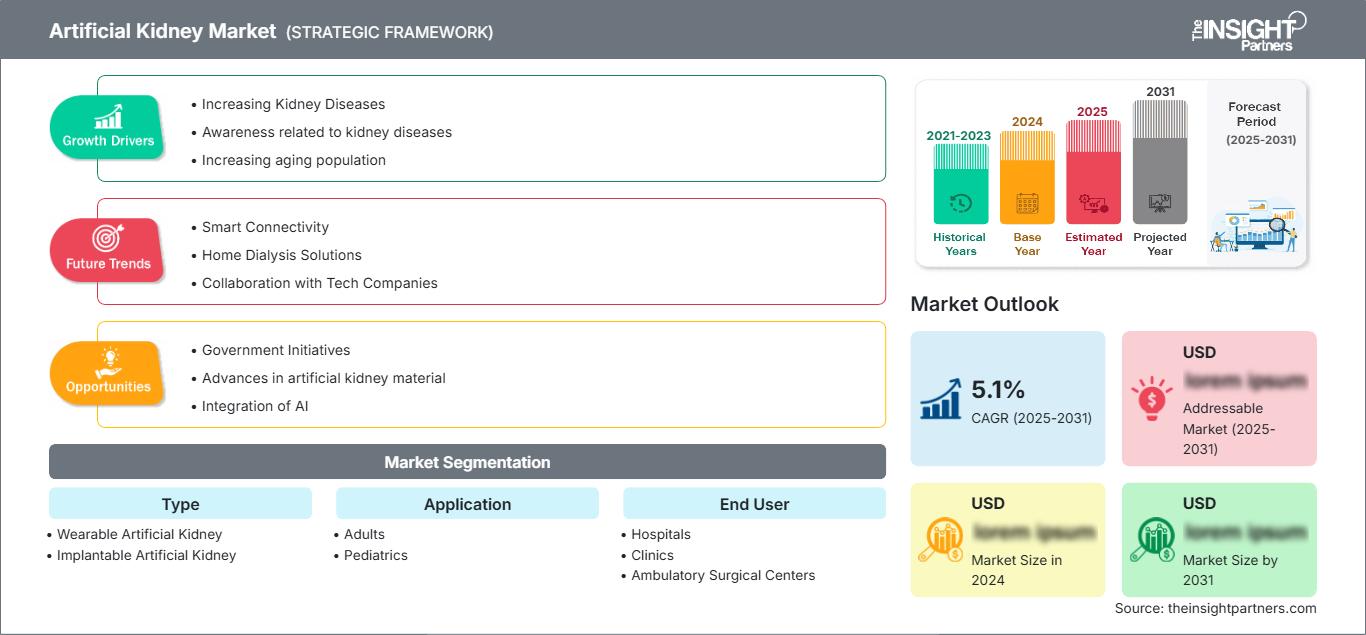
Artificial Kidney Market: Strategic Insights
Regional Insights
North America artificial kidney market
North America is estimated to hold 38–42% of the artificial kidney market share in 2025 and expand at a 11.2–12.8% CAGR during 2026–2034. The US represents the principal regional demand center because of its extensive dialysis infrastructure, high ESRD treatment burden, research ecosystem, and established pathways for innovative medical devices. Canada provides a smaller but technologically advanced market with emphasis on home renal therapies.
Regional growth benefits from university studies, device engineering, and health-care providers that can carry out clinical tests under controlled conditions. The case of wearable kidneys is especially pertinent since human tests revealed not only the possibility of continuous filtration but also the need to re-engineer some aspects due to engineering challenges. Funding should be focused on solutions that show real progress in mobility, flexibility, safety, and cost.
U.S. artificial kidney market
US is expected to constitute the 84–88% share of North America's 2025 share with CAGR of 11.4–13.0% till 2034. Demand drivers include a large number of patients with ESRD, Medicare reimbursement for dialysis treatment, specialized providers and advanced clinical research facilities. Medtronic, Baxter International Inc., Fresenius SE & Co. KGaA, and NIPRO CORPORATION have pertinent capabilities in the renal care.
Priority application areas increasingly include technologies that facilitate home therapy, lower therapy burden and provide continuous physiological support. Wearable devices offer nearer-term prospects while implantable platforms are currently technologies in development stage. The Kidney Project is still improving the technologies of hemofilter and bioreactor before starting clinical trials in humans.
Europe artificial kidney market
Europe will be forecast to account for 27-31% share in 2025, recording 11.6-13.1% CAGR growth, with Germany remaining one of the leading national markets. Renal research networks exist in the UK and Germany, while the opportunities in France, Italy, Spain, and the Netherlands are expanding due to portable and home-based treatment models.
The UK unites specialized kidney care with technological clinical research. Germany has a significant base of production of medical devices and a specialist healthcare system. France, Italy, and Spain offer the additional demand due to elderly population, dialysis facilities, and focus on decentralized treatments. Home testing of NeoKidney in the Netherlands demonstrates development in Europe, as well.
APAC artificial kidney market
APAC is projected to have a market share of 19–23% in 2025 and is forecast to grow at a CAGR of 13.0–14.7%. The major players in the region are China and Japan, driven by the depth of manufacturing facilities, well-developed dialysis infrastructure, and medical device technology. Secondary markets include South Korea and Australia because of their technological advancements, while India holds significant long-term growth potential.
Production capacity, improved healthcare access, and renal programs subsidized by the government may facilitate its adoption. The Japanese nation, with its powerful medical equipment manufacturing sector, may be particularly helpful for miniaturized renal devices, while China may assist with mass production. India and Australia will provide decentralization of renal disease management.
Middle East & Africa artificial kidney market
Middle East and Africa constitutes a smaller but developing market for the technology, with Saudi Arabia and UAE being major investors in the region, followed by South Africa. The growth rate of this region is estimated to be between 10.0%-12.0% CAGR due to expansion of hospital infrastructures and renal replacement therapy facilities.
Saudi Arabia enjoys the advantage of huge investment in healthcare sector, whereas UAE is focusing on advanced infrastructure for private healthcare facilities. South Africa provides the leading sub-Saharan technology hub. Rest of MEA faces challenges of affordability, specialist availability and lack of infrastructure, although availability of energy sources and public healthcare investments would help some tertiary care projects.
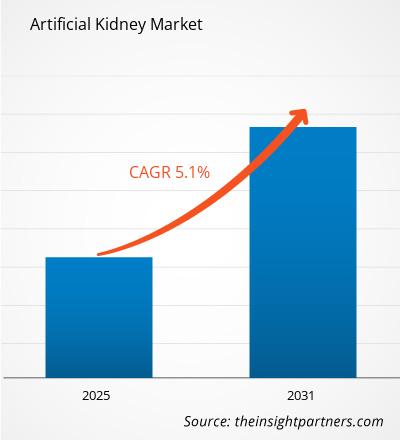
Segmentation Analysis
Type
Type remains the central technology dimension, with the artificial kidney market currently closer to practical clinical deployment than fully implantable systems. The segment is expected to grow at a 12.0–13.2% CAGR during 2026–2034 as developers improve battery performance, sorbent regeneration, fluid management, and device ergonomics. Implantable systems are technologically more complex but could achieve stronger long-term clinical differentiation.
- Wearable Artificial Kidney: Portable platforms address mobility and treatment-frequency limitations associated with conventional dialysis. Their strategic importance centers on home use, continuous therapy, compact components, and integration of monitoring and fluid-management technologies.
- Implantable Artificial Kidney: Implantable platforms seek to reproduce filtration and biological kidney functions within the body. Their strategic importance is high because successful development could reduce external equipment dependence, although clinical validation and biocompatibility remain substantial barriers.
Application
Application is expected to expand at a 11.7–13.0% CAGR during 2026–2034, with adults representing the primary opportunity because most advanced renal replacement technologies are initially designed around adult physiology and established ESRD treatment pathways. Pediatric applications offer a specialized opportunity requiring substantial miniaturization.
- Adults: Adult patients represent the principal addressable population because ESRD treatment infrastructure, home dialysis programs, and clinical evidence are concentrated in this population. Developers prioritize mobility, treatment autonomy, and reduced dependence on conventional dialysis centers.
- Pediatrics: Pediatric applications require specialized device dimensions, dosing control, vascular-access considerations, and long-term safety assessment. Successful miniaturization could address significant unmet needs where conventional dialysis creates substantial logistical and quality-of-life burdens.
End User
End User is projected to expand at a 11.3–12.7% CAGR during 2026–2034. Hospitals remain central because emerging technologies require specialist supervision, while clinics and ambulatory surgical centers can support selected procedures, monitoring, and follow-up. The gradual movement toward home-based treatment will influence procurement models and service requirements.
- Hospitals: Hospitals remain the primary technology-adoption environment because they provide specialist nephrology teams, intensive monitoring, clinical research infrastructure, and access to complex procedures required during early commercialization.
- Clinics: Clinics support follow-up, patient education, maintenance, and selected renal-care procedures. Their role can expand as devices become easier to operate and monitoring requirements move outside major hospitals.
- Ambulatory Surgical Centers: Ambulatory Surgical Centers can support selected access-related procedures and device interventions where clinically appropriate. Their strategic relevance depends on device complexity, anesthesia requirements, and the development of standardized outpatient protocols.
Opportunity Snapshot
| End User | Revenue Contribution (High/Medium/Low) | Trend Tag (MAX 2 words) | Adoption Stage |
|---|---|---|---|
| Hospitals | High | Specialist Care | Mature |
| Clinics | Medium | Follow-up Care | Scaling |
| Ambulatory Surgical Centers | Low | Outpatient Access | Emerging |
Artificial Kidney Market Growth Drivers and Impact Analysis
Shift toward home-based and patient-centered renal replacement
The movement toward home-based renal care creates a structural opportunity for smaller systems that can reduce dependence on fixed dialysis infrastructure. Wearable platforms directly address mobility, treatment scheduling, and patient autonomy, while compact systems can potentially reduce transportation and facility-related burdens. This driver affects the market beyond device procurement because successful home deployment requires training, remote monitoring, consumable logistics, technical support, and reimbursement alignment. Providers therefore increasingly evaluate renal technologies through a total-care model rather than equipment specifications alone. Companies capable of integrating hardware with digital monitoring and recurring service models can achieve stronger differentiation. The commercial impact will depend on evidence demonstrating safety, adherence, patient usability, and economic value compared with conventional home and in-center dialysis approaches.
Miniaturization of filtration, pumping, and monitoring components
Advances in materials science, microfabrication, sensors, and low-power electronics are expanding the technical feasibility of compact renal replacement devices. Wearable artificial kidneys increasingly rely on miniaturized membrane modules, sorbent-based dialysate regeneration, low-power pumps, and integrated monitoring. Research published in 2025 highlighted advanced materials as an important pathway for improving toxin removal and personalization. The commercial effect is significant because reductions in device size, energy consumption, and consumable volume can improve usability while widening potential care settings. However, miniaturization must maintain filtration performance, pressure stability, sterility, and patient safety. Consequently, component suppliers with expertise in precision manufacturing and medical-grade materials may become increasingly important strategic partners for platform developers.
Expansion of renal technology research and clinical validation infrastructure
Greater collaboration among universities, hospitals, device companies, and dialysis providers is accelerating technology maturation. The development pathway increasingly incorporates engineering verification, preclinical studies, early feasibility trials, usability assessments, and reimbursement planning before commercialization. This approach can reduce late-stage technical failures by identifying issues in flow control, biocompatibility, device ergonomics, and patient handling earlier. The effect is particularly relevant for implantable technologies, where clinical evidence requirements are substantially more demanding than those for conventional equipment. Research ecosystems in the US, Europe, Japan, and selected Asian markets can therefore influence competitive positioning by providing access to specialist investigators, manufacturing partners, and regulatory expertise. Successful platforms will likely emerge from multidisciplinary development rather than isolated device engineering.
Artificial Kidney Market Future Trends
Wearable systems evolving toward continuous home renal support
The next generation of wearable systems is likely to emphasize continuous or extended treatment rather than simply making conventional dialysis equipment smaller. Developers are combining portable filtration, sorbent regeneration, battery systems, sensors, and stationary regeneration units to create integrated treatment ecosystems. Renovo's Holland platform, for example, is being developed around a wearable daytime unit and stationary nighttime regeneration architecture, with planned clinical development beginning with supervised use and progressing toward longer home studies. This direction could change procurement from one-time equipment purchases toward recurring consumables and service models. The artificial kidney market trends will therefore increasingly reflect usability, reimbursement, connectivity, maintenance, and patient adherence alongside filtration performance.
Convergence of bioengineering and implantable filtration
Implantable development is moving beyond mechanical filtration toward systems that combine engineered membranes with biological components. The Kidney Project's architecture incorporates a silicon-based hemofilter and a bioreactor intended to perform selected biological functions of the native kidney. Future platforms may integrate sensing, automated control, biomaterials, and tissue-engineered components to improve physiological regulation. The transition will remain gradual because long-term blood compatibility, infection control, device durability, and surgical replacement remain unresolved. Nevertheless, progress in microfabrication and regenerative medicine could create a distinct category of renal replacement technology that competes less directly with conventional dialysis and more directly with transplantation.
Artificial Kidney Market Opportunities
Partnerships for home-care commercialization platforms
Companies can pursue partnerships combining device engineering with dialysis-provider networks, remote monitoring, home nursing, logistics, and reimbursement expertise. Such collaborations can reduce commercialization barriers because a portable kidney cannot succeed through hardware availability alone. The artificial kidney market Forecasts increasingly favor business models where manufacturers understand the complete treatment pathway, including consumable replacement, patient training, maintenance, and clinical escalation. Strategic investors should prioritize developers with credible regulatory plans and access to clinical sites rather than relying solely on prototype performance. Partnerships with established renal-care companies can also provide manufacturing knowledge and procurement relationships. For emerging developers, this approach may shorten commercialization cycles while reducing the capital required to build independent service infrastructure.
Advanced materials and component manufacturing partnerships
The development of high-performance membranes, sorbents, sensors, pumps, and biocompatible materials presents an attractive investment opportunity. Component suppliers can capture value even when platform-level clinical adoption remains uncertain because multiple developers may require similar technologies. The artificial kidney market report therefore extends beyond complete systems into specialized materials and precision components. Investment priorities should include scalable manufacturing, consistent quality, sterilization compatibility, and long-term supply security. Companies developing silicon membranes, advanced polymers, sorbent cartridges, microfluidic components, and low-power electronics can position themselves as enabling suppliers. Early collaboration with device developers may help establish technical specifications and create switching costs before commercial platforms reach broader clinical adoption.
Recent Developments
- January 2026: UMC Utrecht: UMC Utrecht began a clinical study in which patients with severe kidney failure are testing the NeoKidney portable artificial kidney at home. The study is designed to evaluate whether portable dialysis can provide greater freedom and patient control while maintaining safety. The initiative represents an important European step toward home-based wearable renal replacement.
- January 2026: Renovo, Inc.: Renovo's Holland platform development program outlines a staged WAK 3.0 pathway involving nonclinical verification, FDA engagement, an early feasibility study, and a planned 60-day home-use study. The company describes the platform as investigational and not yet FDA-cleared or commercially available, highlighting the ongoing regulatory and clinical validation process.
- June 2025: NIPRO CORPORATION: NIPRO introduced the LiniXia reverse-osmosis water treatment system at ERA 2025, extending its dialysis portfolio into next-generation water treatment. The system is designed to optimize water use and includes a PRO configuration with heat disinfection, illustrating continued investment in supporting infrastructure around dialysis delivery and renal-care services.
Frequently Asked Questions

- Comprehensive Market Sizing and Forecast Analysis
- Detailed Segmentation Analysis
- In-Depth Market Dynamics Assessment
- Regional and Country-Level Insights
- Competitive Landscape and Company Benchmarking
- Strategic Business Intelligence
Recent Reports
Testimonials

The Insight Partners' SCADA System Market report is comprehensive, with valuable insights on current trends and future forecasts. The team was highly professional, responsive, and supportive throughout. We are very satisfied and highly recommend their services.
RAN KEDEM Partner, Reali Technologies LTDs
I requested a report on a very specific software market and the team produced the report in a few days. The information was very relevant and well presented. I then requested some changes and additions to the report. The team was again very responsive and I got the final report in less than a week.
JEAN-HERVE JENN Chairman, Future Analytica
We worked with The Insight Partners for an important market study and forecast. They gave us clear insights into opportunities and risks, which helped shape our plans. Their research was easy to use and based on solid data. It helped us make smart, confident decisions. We highly recommend them.
PIYUSH NAGPAL Sr. Vice President, High Beam Global
The Insight Partners delivered insightful, well-structured market research with strong domain expertise. Their team was professional and responsive throughout. The user-friendly website made accessing industry reports seamless. We highly recommend them for reliable, high-quality research services
YUKIHIKO ADACHI CEO, Deep Blue, LLC.
This is the first time I have purchased a market report from The Insight Partners.While I was unsure at first, I visited their web site and felt more comfortable to take the risk and purchase a market report.I am completely satisfied with the quality of the report and customer service. I had several questions and comments with the initial report, but after a couple of dialogs over email with their analyst I believe I have a report that I can use as input to our strategic planning process.Thank you so much for taking the extra time and making this a positive experience.I will definitely recommend your service to others and you will be my first call when we need further market data.
JOHN SUZUKI President and Chief Executive Officer, Board Director, BK Technologies
I wish to appreciate your support and the professionalism you displayed in the course of attending to my request for information regarding to infectious disease IVD market in Nigeria. I appreciate your patience, your guidance, and the fact that you were willing to offer a discount, which eventually made it possible for us to close a deal. I look forward to engaging The Insight Partners in the future, all thanks to the impression you have created in me as a result of this first encounter.
DR CHIJIOKE ONYIA MANAGING DIRECTOR, PineCrest Healthcare Ltd.Reason to Buy
- Informed Decision-Making
- Understanding Market Dynamics
- Competitive Analysis
- Identifying Emerging Markets
- Customer Insights
- Market Forecasts
- Risk Mitigation
- Boosting Operational Efficiency
- Strategic Planning
- Investment Justification
- Tracking Industry Innovations
- Aligning with Regulatory Trends





 Get Free Sample for