
Diabetic Nephropathy Market Growth, Size & Forecast by 2034
Coverage: By Indication ( Type-1 Diabetes, Type-2 Diabetes ); Treatment Type ( Diuretics, Angiotensin Receptor Blockers, Antioxidant Inflammation Modulator, Calcium Channel Blockers, Angiotensin-Converting Enzyme Inhibitors (ACE Inhibitors), Renin Inhibitors, Others ); Diagnosis ( Imaging Tests, Renal Function Testing, Urine Test, Blood Test, Renal Biopsy ); End User ( Hospitals and Clinics, Ambulatory Surgical Centers, Diagnostic Centers, Research Institutes ), and Geography (North America, Europe, Asia Pacific, and South and Central America)
- Status : Data Released
- Report Code : TIPRE00008011
- Category : Life Sciences
- No. of Pages : 150
- Available Report Formats :


- Last update date : July 08, 2026


2025 Market Size
US$ 4.08 Bn
Base year value
2034 Forecast
US$ 6.96 Bn
Projected by 2034
CAGR 2026-2034
6.14 %
Growth rate
Addressable Market
US$ 50.05 Bn
(2026-2034)
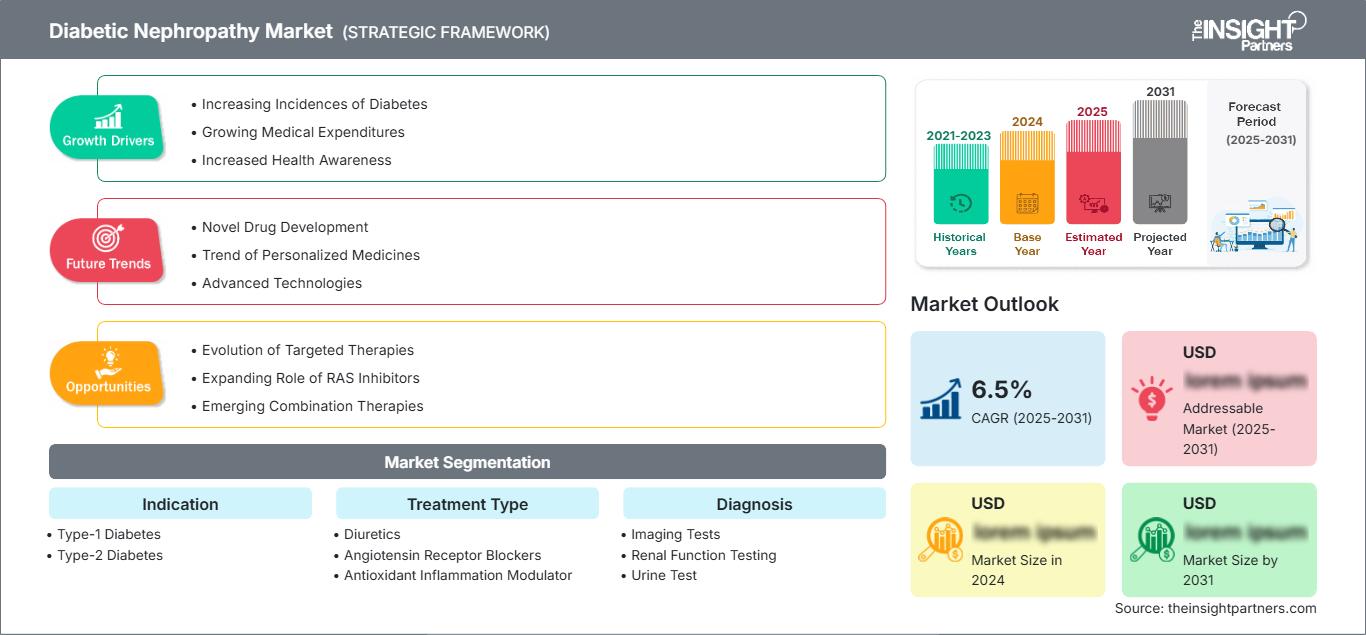
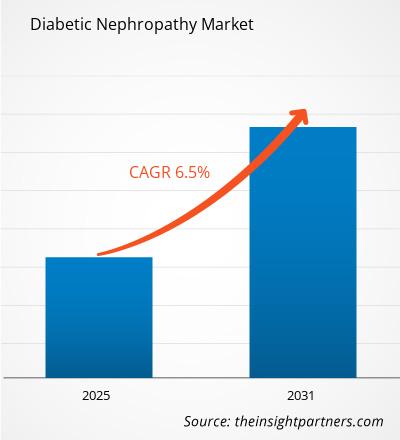
The Diabetic Nephropathy Market was valued at US$ 4.08 billion in 2025 and is projected to reach US$ 6.96 billion by 2034, expanding at a CAGR of 6.14% during 2026–2034. Market expansion is being shaped by the rising prevalence of diabetes-related kidney complications, increasing adoption of early diagnostic protocols, and broader utilization of renin-angiotensin system-targeted therapies. Improvements in chronic kidney disease management pathways are also supporting sustained demand across major healthcare systems.
North America remains a pivotal revenue-generating region within the Diabetic Nephropathy Market and is anticipated to register a CAGR of approximately 5.9% through 2034. Growth is supported by extensive diabetes screening programs, high awareness of chronic kidney disease risks, and strong adoption of innovative therapeutic approaches. Expanding reimbursement coverage for nephrology care and growing integration of precision medicine into diabetes management further reinforce regional market development.
Diabetic Nephropathy Market Assessment and Insights
- North America: North America accounted for 38–42% of the diabetic nephropathy market share in 2025 and is projected to expand at a CAGR of 5.7%–6.4% during 2026–2034. Growth is driven by advanced diabetes management infrastructure, high treatment adoption, and increasing awareness of diabetic kidney disease, which continue to support regional market leadership.
- U.S.: The U.S. represented 30–34% of the global diabetic nephropathy market in 2025 and is anticipated to register a CAGR of 5.8%–6.5% during 2026–2034, supported by a large diabetic population, favorable reimbursement policies, and broad adoption of advanced therapies for diabetic nephropathy management.
- Europe: Europe held 27–31% market share in 2025 and is expected to grow at a CAGR of 5.4%–6.1% during 2026–2034. Germany, the United Kingdom, and France remain the leading regional markets, supported by well-established healthcare systems and comprehensive chronic disease management programs.
- Asia Pacific: Asia Pacific accounted for 22–26% of the diabetic nephropathy market share in 2025 and is forecast to expand at a CAGR of 6.9%–7.8% during 2026–2034. China, Japan, and India drive regional growth through rising diabetes prevalence, expanding healthcare access, and increasing investments in chronic disease management.
- Largest Segment – Type-2 Diabetes: The type-2 diabetes segment represented the largest diabetic nephropathy market size and is expected to grow at a CAGR of 6.2%–6.9% during 2026–2034, driven by its substantially larger patient population and increasing incidence of diabetes-related kidney complications.
- High Growth Segment – Angiotensin Receptor Blockers: The angiotensin receptor blockers segment is projected to register the fastest growth with a CAGR of 6.8%–7.6% during 2026–2034, supported by proven renal protection benefits and expanding clinical utilization in diabetic nephropathy treatment.
- Key companies analyzed in detail: AstraZeneca PLC; Bayer AG; Novartis AG; Novo Nordisk A/S; Merck & Co., Inc.; Abbott Laboratories; Boehringer Ingelheim International GmbH; AbbVie Inc.; Pfizer Inc.; Eli Lilly and Company
Source: The Insight Partners' analysis based on proprietary research, government publications, company annual reports, investor presentations, industry databases, and expert interviews.
The Diabetic Nephropathy Market report has transitioned from a treatment-focused ecosystem toward a broader disease-management framework encompassing early diagnosis, risk stratification, and long-term renal preservation. Advances in laboratory testing, improved understanding of inflammatory pathways, and increasing physician focus on slowing kidney function decline have expanded the role of both pharmaceutical and diagnostic interventions.
Over the coming decade, industry participants are expected to prioritize therapies capable of delaying disease progression while reducing cardiovascular complications. Companies such as AstraZeneca PLC, Bayer AG, Novo Nordisk A/S, Boehringer Ingelheim GmbH, and Abbott continue to shape market dynamics through therapeutic innovation, expanded clinical research, and integrated chronic disease management strategies.
Diabetic Nephropathy Market Report Scope
| Report Attribute | Details |
|---|---|
| Market size in 2025 | US$ 4.08 Billion |
| Market Size by 2034 | US$ 6.96 Billion |
| Global CAGR (2026 - 2034) | 6.14% |
| Historical Data | 2021-2024 |
| Forecast period | 2026-2034 |
Diabetic Nephropathy Market Analysis
Rising global diabetes incidence remains the primary force influencing the Diabetic Nephropathy Market. Longer patient survival rates, aging populations, and increasing obesity prevalence have enlarged the pool of individuals at risk of diabetic kidney complications. Healthcare providers are increasingly emphasizing early intervention because advanced nephropathy substantially increases treatment costs and hospitalization rates.
The market ecosystem extends across pharmaceutical manufacturers, diagnostic laboratories, nephrology specialists, hospitals, and research institutions. Continuous monitoring of renal function, albuminuria assessment, and imaging technologies play a critical role in supporting treatment decisions. As healthcare systems seek to reduce end-stage renal disease burdens, demand for preventive and disease-modifying solutions continues to strengthen.
Competition is characterized by a combination of established pharmaceutical leaders and emerging innovators pursuing novel renal-protective mechanisms. AstraZeneca PLC, Bayer AG, Novartis AG, Novo Nordisk A/S, Merck & Co., Inc., AbbVie Inc., Pfizer Inc., and Boehringer Ingelheim GmbH maintain significant strategic positions through extensive clinical development programs and diversified portfolios.
Investment activity increasingly targets therapies capable of addressing both kidney and cardiovascular outcomes. Strategic partnerships between diagnostic companies and pharmaceutical manufacturers are becoming more common as stakeholders seek comprehensive disease-management solutions. Organizations that demonstrate measurable reductions in renal decline and hospitalization rates are likely to strengthen their competitive standing.
● REPORT CUSTOMIZATION
Tailor This Report To Align With Your Specific Business Requirements
This report can be customized to align precisely with your business objectives, scope, and target markets. Customization options include tailored segmentation, geography, competitive analysis, and strategic insights to support informed decision-making.
Customize This Report →WHAT YOU CAN ADJUST
- ● Segmentations
- ● Geography
- ● Competitive Analysis
- ● Language Preferences
Diabetic Nephropathy Market: Strategic Insights
Regional Insights
North America Diabetic Nephropathy Market
North America accounts for the largest share of the Diabetic Nephropathy Market and is projected to expand at a CAGR of approximately 5.9% through 2034. The region benefits from advanced healthcare infrastructure, widespread diabetes screening programs, and strong adoption of guideline-based nephrology care. High awareness among physicians regarding kidney disease progression encourages early diagnosis and intervention.
The presence of major pharmaceutical developers and significant investment in chronic kidney disease research further supports market leadership. Expanding use of renal biomarkers, improved access to specialist care, and favorable reimbursement frameworks contribute to sustained treatment uptake across the United States and Canada.
U.S. Diabetic Nephropathy Market
The U.S. represents approximately 75–80% of the North American diabetic nephropathy market and is expected to maintain a CAGR near 5.8% during the forecast period. High diabetes prevalence, strong healthcare spending, and extensive clinical adoption of kidney-protective therapies continue to support market expansion.
Leading companies including AstraZeneca PLC, Bayer AG, Novo Nordisk A/S, Merck & Co., Inc., and Abbott maintain significant commercial and research activities within the country. Clinical practice increasingly emphasizes early detection through urine and blood testing, while integrated care models combining endocrinology and nephrology services are improving patient outcomes and treatment continuity.
Europe Diabetic Nephropathy Market
Europe represents approximately 25–30% of global diabetic nephropathy market revenue and is forecast to grow at a CAGR of around 5.7%. Strong public healthcare systems and established chronic disease management programs support widespread access to diagnostic and therapeutic interventions. Germany remains the leading national market due to its extensive nephrology infrastructure and high healthcare expenditure.
The UK continues to benefit from structured diabetes management pathways and proactive kidney disease screening initiatives. Increasing adoption of evidence-based treatment protocols and greater awareness of chronic kidney disease risks are strengthening long-term demand for nephropathy-related therapies and diagnostics.
Germany maintains regional leadership through advanced clinical research capabilities, strong pharmaceutical industry participation, and broad access to specialized renal care. Healthcare providers increasingly focus on early-stage intervention strategies aimed at delaying progression toward dialysis and kidney failure.
France, Italy, and Spain collectively contribute significant market value through expanding diabetes populations and growing implementation of renal monitoring programs. Increased healthcare investments and strengthened disease surveillance initiatives continue to improve diagnosis rates across these countries.
APAC Diabetic Nephropathy Market
Asia-Pacific is anticipated to record the fastest CAGR, estimated at approximately 7.2% through 2034, while accounting for roughly 20–25% of global revenue. Rapid urbanization, rising diabetes prevalence, and improving healthcare access are creating substantial opportunities for both therapeutic and diagnostic providers.
China is leading the regional market owing to the high prevalence of diabetes and increasing investment in chronic disease management. Government programs aimed at promoting early diagnosis and broader access to healthcare have been helping to increase the adoption rate.
Japan, South Korea, India, and Australia are observing rising demand for nephrological services and diagnostic tests. National healthcare policies aimed at reducing the burden of kidney diseases, along with increasing awareness programs, will help drive market potential across the region.
Middle East & Africa Diabetic Nephropathy Market
The Middle East & Africa diabetic nephropathy market is developing steadily with an estimated CAGR of approximately 6.0%. Rising diabetes incidence, growing investments in healthcare infrastructure, and increasing awareness of chronic kidney disease contribute to market expansion across the region.
Saudi Arabia is the leading regional demand driver due to its sizable diabetes population and healthcare modernization programs. Improvements in the availability of nephrology services, IT-based healthcare solutions, and government-supported disease management programs have enhanced access to specialized healthcare services.
The UAE and South Africa are further developing their healthcare sectors by constructing new hospitals and adopting advanced diagnostics. The MEA region as a whole is developing its infrastructure and diversifying the healthcare sector, thereby improving opportunities for nephropathy diagnosis and treatment.
Segmentation Analysis
Indication
- Type-1 Diabetes: Represents a clinically significant patient population requiring long-term renal monitoring, with demand driven by early-onset disease progression and increasing use of preventive nephrology interventions.
- Type-2 Diabetes: Dominates market revenue due to substantially larger patient volumes, higher incidence of chronic kidney complications, and broader utilization of pharmacological treatment pathways.
Treatment Type
- Diuretics: Frequently used for fluid management and blood pressure control, supporting symptom management among patients experiencing progressive renal impairment.
- Angiotensin Receptor Blockers: Widely prescribed for renal protection and hypertension management, contributing substantially to therapeutic demand.
- Antioxidant Inflammation Modulator: Emerging category targeting inflammatory mechanisms associated with kidney damage progression and long-term renal decline.
- Calcium Channel Blockers: Utilized as adjunctive therapies to manage cardiovascular risk factors and support comprehensive disease management.
- Angiotensin-Converting Enzyme Inhibitors: Core treatment option recognized for slowing nephropathy progression and reducing proteinuria levels.
- Renin Inhibitors: Niche but strategically important therapies addressing renin-angiotensin system pathways associated with kidney disease progression.
Diagnosis
- Imaging Tests: Support structural kidney assessment and disease monitoring in complex clinical cases.
- Renal Function Testing: Essential diagnostic category measuring kidney performance and guiding treatment decisions.
- Urine Test: Critical frontline screening method for detecting albuminuria and early nephropathy indicators.
- Blood Test: Widely used to evaluate kidney function markers and monitor disease progression.
- Renal Biopsy: Specialized diagnostic procedure employed when detailed pathological evaluation is required.
End User
- Hospitals and Clinics: Largest end-user segment due to integrated diagnosis, treatment, and long-term patient management capabilities.
- Ambulatory Surgical Centers: Support selected procedures and specialized patient services with increasing efficiency.
- Diagnostic Centers: Important contributors to early detection through laboratory testing and disease monitoring services.
- Research Institutes: Advance clinical understanding through therapeutic development and biomarker-focused research activities.
Opportunity Snapshot
| End User | Revenue Contribution | Trend Tag | Adoption Stage |
| Hospitals and Clinics | High | Integrated Care | Mature |
| Ambulatory Surgical Centers | Medium | Outpatient Care | Scaling |
| Diagnostic Centers | High | Early Screening | Mature |
| Research Institutes | Low | Biomarker Research | Emerging |
Diabetic Nephropathy Market Growth Drivers and Impact Analysis
Rising Global Burden of Type-2 Diabetes and Chronic Kidney Disease
The growing prevalence of type-2 diabetes continues to expand the addressable patient population for nephropathy diagnosis and treatment. Lifestyle changes, sedentary behavior, aging populations, and increasing obesity rates have contributed to a substantial rise in diabetes cases worldwide. As diabetic nephropathy remains one of the most common complications associated with uncontrolled diabetes, healthcare systems are placing greater emphasis on kidney health monitoring.
This trend increases the need for diagnostic procedures, medications, and nephrologists. The early identification of albuminuria and low kidney function increases the likelihood of early intervention and hence more positive outcomes. This means there will be an increase in patient numbers, resulting in additional income.
Advancements in Renal-Protective Therapeutics
Innovations in therapy have greatly transformed the therapeutic strategy for diabetic nephropathy. In addition to traditional methods of treating hypertension, the latest innovations focus on preserving kidney function while reducing the risk of heart problems. There is a great deal of development in pharmaceuticals that combine multiple drugs acting against multiple disease pathways simultaneously.
There is growing awareness and evidence regarding combination treatments that are affecting the prescribing habits of nephrologists and endocrinologists. The growing need for innovative solutions in renal protection paves the way for companies that can demonstrate their effectiveness in reducing disease progression and hospitalization rates.
Expansion of Early Diagnosis and Screening Programs
Healthcare organizations increasingly recognize that delayed diagnosis contributes substantially to long-term treatment costs and poor clinical outcomes. Consequently, governments, insurers, and healthcare providers are promoting routine kidney function assessments among people with diabetes.
The availability of improved urine, blood, and kidney function testing has increased the detection rates of various diseases. Early detection helps doctors start treatment before the kidneys are damaged. Not only does this benefit the patient, but it also increases utilization of diagnostic services across the healthcare industry.
Diabetic Nephropathy Market Future Trends
Biomarker-Driven Precision Nephrology
The market is moving toward biomarker-enabled patient management systems that will help identify the risks of disease progression even in an early stage. The development of advanced biomarkers is aiding clinicians in identifying patients at higher risk than those with diabetes.
In the future, there might be healthcare models that use biomarker panels alongside conventional lab tests to ensure the best possible results. Firms that specialize in precise diagnosis and companion monitoring technology could gain an advantage from this shift.
Integration of Digital Kidney Health Monitoring
Digital health platforms are increasingly becoming part of chronic disease management programs. Remote monitoring solutions, connected diagnostic devices, and predictive analytics tools allow clinicians to track patient outcomes more effectively between appointments.
Over time, incorporating digital solutions within nephrology care workflows would promote stronger treatment adherence, timelier interventions, and fewer hospitalizations. Additionally, Diabetic Nephropathy Market trends and the convergence of digital healthcare with nephrology would foster the creation of innovative service models, partnerships, and delivery.
Diabetic Nephropathy Market Opportunities
Expansion of Combination Therapy Development Programs
Combination therapies targeting the different mechanisms of kidney disease development are attractive new investment opportunities. Drug developers seek treatments delivering renal protection, cardiovascular risk reduction, and glycemic control, while integrating benefits within the diabetic nephropathy market forecast.
Companies that demonstrate strong evidence for their combination regimens can gain good standing in new treatment guidelines, and new collaborations between tech companies, universities, the pharma sector, and academic institutions are likely to accelerate innovation and commercial adoption in this area.
Growth Potential in Emerging Healthcare Markets
As the health care infrastructure in regions such as Asia, Latin America, the Middle East, and Africa grows alongside rapidly rising diabetes prevalence rates, diagnostic, pharmaceutical, and health services organizations now stand to realize the potential of these markets.
Investment targeting low-cost Diagnostics, practitioner education, and patient education initiatives is likely to fuel further growth in diagnostic device sales, the pharmaceutical sector, and various health care service companies in this region over the long term. Local partnerships, tailored product portfolios, and addressing local needs are crucial for new and existing organizations alike to succeed in the region.
Recent Developments
- May, 2026: Bayer AG announced that the U.S. FDA accepted and granted Priority Review to the supplemental application for KERENDIA (finerenone) for adults with type-1 diabetes and chronic kidney disease. The filing was supported by Phase III FINE-ONE data showing significant reductions in urine albumin-to-creatinine ratio, a key indicator of kidney damage progression.
- June, 2026: Bayer AG presented full Phase III FIND-CKD results showing KERENDIA improved eGFR slope and reduced risk of composite kidney-cardiovascular outcomes in adults with chronic kidney disease. The findings expanded evidence supporting kidney-protective therapies and highlighted continued investment in renal disease innovation.
- January, 2026: The ISN and the International Diabetes Federation (IDF) have signed a Memorandum of Understanding, formalizing a long-term collaboration to strengthen global action on diabetes-related kidney disease. Through this partnership, the ISN and the IDF aim to strengthen global awareness of the link between diabetes and kidney disease, working together to improve outcomes for people worldwide.
Frequently Asked Questions

- Comprehensive Market Sizing and Forecast Analysis
- Detailed Segmentation Analysis
- In-Depth Market Dynamics Assessment
- Regional and Country-Level Insights
- Competitive Landscape and Company Benchmarking
- Strategic Business Intelligence
Recent Reports
Testimonials

The Insight Partners' SCADA System Market report is comprehensive, with valuable insights on current trends and future forecasts. The team was highly professional, responsive, and supportive throughout. We are very satisfied and highly recommend their services.
RAN KEDEM Partner, Reali Technologies LTDs
I requested a report on a very specific software market and the team produced the report in a few days. The information was very relevant and well presented. I then requested some changes and additions to the report. The team was again very responsive and I got the final report in less than a week.
JEAN-HERVE JENN Chairman, Future Analytica
We worked with The Insight Partners for an important market study and forecast. They gave us clear insights into opportunities and risks, which helped shape our plans. Their research was easy to use and based on solid data. It helped us make smart, confident decisions. We highly recommend them.
PIYUSH NAGPAL Sr. Vice President, High Beam Global
The Insight Partners delivered insightful, well-structured market research with strong domain expertise. Their team was professional and responsive throughout. The user-friendly website made accessing industry reports seamless. We highly recommend them for reliable, high-quality research services
YUKIHIKO ADACHI CEO, Deep Blue, LLC.
This is the first time I have purchased a market report from The Insight Partners.While I was unsure at first, I visited their web site and felt more comfortable to take the risk and purchase a market report.I am completely satisfied with the quality of the report and customer service. I had several questions and comments with the initial report, but after a couple of dialogs over email with their analyst I believe I have a report that I can use as input to our strategic planning process.Thank you so much for taking the extra time and making this a positive experience.I will definitely recommend your service to others and you will be my first call when we need further market data.
JOHN SUZUKI President and Chief Executive Officer, Board Director, BK Technologies
I wish to appreciate your support and the professionalism you displayed in the course of attending to my request for information regarding to infectious disease IVD market in Nigeria. I appreciate your patience, your guidance, and the fact that you were willing to offer a discount, which eventually made it possible for us to close a deal. I look forward to engaging The Insight Partners in the future, all thanks to the impression you have created in me as a result of this first encounter.
DR CHIJIOKE ONYIA MANAGING DIRECTOR, PineCrest Healthcare Ltd.Reason to Buy
- Informed Decision-Making
- Understanding Market Dynamics
- Competitive Analysis
- Identifying Emerging Markets
- Customer Insights
- Market Forecasts
- Risk Mitigation
- Boosting Operational Efficiency
- Strategic Planning
- Investment Justification
- Tracking Industry Innovations
- Aligning with Regulatory Trends





 Get Free Sample for