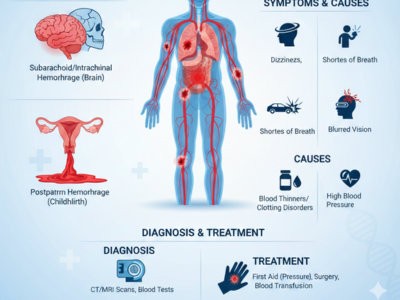
Hemorrhage is a medical condition that involves significant blood loss from damaged blood vessels, and it can affect people of any age at any time. In fact, this kind of excessive bleeding can happen inside the body or outside, and when it goes unnoticed or untreated, it can lead to serious complications such as shock, organ failure, or even death. Therefore, understanding hemorrhage is crucial for recognising warning signs early and pursuing timely medical help to improve outcomes.
A hemorrhage refers to the escape of blood from blood vessels due to damage in the vessel walls. While minor hemorrhages like a nosebleed often stop on their own with simple first-aid. Severe hemorrhages inside the body can be life-threatening. Internal bleeding, which includes a serious brain hemorrhage, requires immediate attention by healthcare professionals.
Types of Hemorrhage and Why They Matter
Several important types of hemorrhage affect different parts of the body. For instance, a subarachnoid hemorrhage is bleeding in the space surrounding the brain and is a type of stroke that needs urgent treatment. It often presents with a sudden, severe headache described as the “worst headache ever experienced.”
In addition, intracranial hemorrhage refers to bleeding within the skull and can cause severe pressure on the brain, potentially leading to loss of consciousness or neurological deficits. Another type, postpartum hemorrhage, can occur after childbirth and may be life-threatening without prompt medical care. Advanced maternal age, more than one pregnancy, and elective C-sections are some of the reasons paving the way for increased instances of PPH. This concern in healthcare issues increases the need for specialized postpartum hemorrhage treatment devices. It includes intrauterine balloons and topical hemostatic agents to curb the deaths associated with the condition.
Other forms of hemorrhage include haemothorax (blood in the chest cavity) and subconjunctival hemorrhage (bleeding under the eye’s surface). Each requires different levels of care depending on severity.
Recognising Haemorrhage Symptoms Promptly
Symptoms of hemorrhage vary depending on where the blood loss occurs and how severe it is. External hemorrhage may be obvious because blood is visible, such as from cuts or wounds. Internal hemorrhage, however, shows less visible but equally serious signs. Early symptoms may include dizziness, weakness, fatigue, and shortness of breath, particularly when a significant amount of blood is lost.
When hemorrhage involves the brain, symptoms can be especially alarming. A sudden, severe headache, loss of coordination, blurred vision, and weakness on one side of the body often signal a brain hemorrhage. It requires emergency care. Additionally, nausea and vomiting may accompany these symptoms. Recognising these signs quickly and getting immediate help can save lives.
What Causes a Hemorrhage?
Hemorrhage can occur due to a variety of causes. Traumatic injury is one of the most common reasons for bleeding. Any significant blow or accident can damage blood vessels. That is leading to bleeding, either visible on the outside or hidden within the body.
In addition to trauma, certain health conditions make hemorrhage more likely. Disorders that affect blood clotting, such as haemophilia, or medications like blood thinners, increase the risk of prolonged bleeding even from minor injuries. Chronic conditions such as high blood pressure, vascular diseases like aneurysms, and infections like viral hemorrhagic fevers can also weaken vessel walls and trigger hemorrhage. In the elderly, cerebral amyloid angiopathy can cause spontaneous vessel damage and bleeding.
Diagnosing Hemorrhage Accurately
Because internal hemorrhage isn’t always visible, healthcare professionals rely on physical examinations and advanced diagnostic tools to locate bleeding and determine its cause. Imaging tests like X-rays, CT scans, and MRI help identify where blood has accumulated within the body. Blood tests, including coagulation profiles, help assess how well the blood is clotting and how severe the blood loss might be.
For brain hemorrhage specifically, a CT scan is often the first choice to detect bleeding inside the skull quickly and accurately. MRI may be used to examine deeper areas of the brain and provide more details about brain tissue damage. An accurate diagnosis allows doctors to plan effective treatment and reduce the risk of long-term complications.
Treatment Options for Hemorrhage
The treatment for hemorrhage depends on the type, location, and severity of the bleeding. For external bleeding, simple first-aid strategies, such as applying direct pressure and elevating the injured area, may stop the hemorrhage. However, if the bleeding does not stop, medical assistance should be sought immediately.
Internal hemorrhage typically requires hospital care. Doctors may use medications to help control bleeding, surgical procedures to repair damaged vessels or organs, and blood transfusions to restore lost blood volume. In severe cases, surgery may be critical to stop life-threatening bleeding or to relieve pressure on vital organs.
For a brain hemorrhage, emergency care often focuses on reducing pressure inside the skull and preventing further damage. This can involve controlling blood pressure, administering medications to reduce swelling, and performing surgery if necessary to remove pooled blood or repair aneurysms.
Risk Factors and Complications
Various risk factors exist that may raise the risk of bleeding. For instance, high blood pressure, the use of blood thinners, blood disorders, and old age may lead to uncontrolled bleeding after a stroke. Other risk factors that could cause a bleeding stroke include the use of drugs, such as cigarettes, as well as alcohol use disorders, high cholesterol levels, and diabetes, which could affect blood vessel function.
Complications of blood loss can also have severe effects on the body. If too much blood is lost, the body parts will not have enough oxygen to ensure their functioning, leading to shock or permanent injury to the parts. Brain failure due to blood loss also has the potential to lead to permanent brain injury, as the person may find difficulty in speaking or even being paralyzed.
Prevention and Proactive Health Measures
While not all hemorrhages are preventable, some steps can reduce risk. Managing chronic conditions like high blood pressure through lifestyle changes and medication can strengthen blood vessels and lower the risk of spontaneous bleeding. Avoiding smoking and excessive alcohol consumption also supports overall vascular health. Additionally, wearing protective gear during high-risk activities like sports can reduce the chance of traumatic injury.
Conclusion
Hemorrhage is a critical health issue that demands awareness and respect due to its potential severity. Understanding its types, symptoms, and causes helps you act quickly and confidently when faced with signs of bleeding. With rapid diagnosis, appropriate treatment, and preventive care, many outcomes can improve dramatically, helping individuals lead healthier lives.