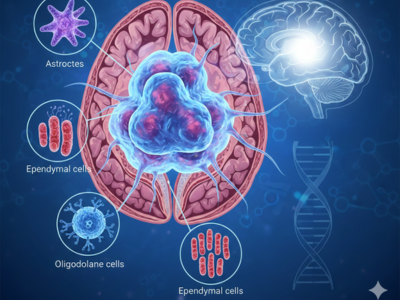
A glioma brain tumour develops when glial cells in the central nervous system grow uncontrollably, forming a mass that can affect critical brain functions. These tumours originate from cells that normally support neurons, maintain the brain’s microenvironment, and ensure proper neurological activity. When these cells turn abnormal, they can interfere with cognitive, motor, and sensory functions, making early diagnosis and treatment essential. Understanding gliomas helps patients and families navigate complex treatment options while maintaining hope and quality of life.
Understanding Glioma Brain Tumours
What Are Gliomas?
Gliomas are a group of tumours that arise from glial cells, which are crucial for the proper functioning of the brain and spinal cord. These tumours vary in aggressiveness, growth rate, and location, influencing both symptoms and treatment decisions. Some gliomas grow slowly over several years, while others, such as glioblastoma, expand rapidly and invade surrounding tissue. Accurate classification and diagnosis are therefore critical for designing effective treatment plans.
Classification of Gliomas
Gliomas are classified according to the type of glial cell involved:
- Astrocytomas: develop from star-shaped astrocytes
- Oligodendrogliomas: originate from myelin-producing oligodendrocytes
- Ependymomas: arise from ependymal cells lining the brain ventricles and the spinal canal
Each type has distinctive behaviour, prognosis, and treatment requirements. Knowledge of these differences allows clinicians to offer more precise therapies.
Common Types of Glioma Brain Tumours
- Glioblastoma Multiforme: Glioblastoma, or grade IV glioma, is the most aggressive form of a glioma brain tumour. It grows quickly and infiltrates surrounding healthy tissue, making complete surgical removal nearly impossible. Treatment typically combines surgery, radiotherapy, and chemotherapy to slow progression and enhance quality of life.
- Diagnostic Techniques: MRI scans help visualize tumour size and location, while advanced techniques such as MR spectroscopy provide insights into tumour behaviour. A biopsy confirms the diagnosis, enabling genetic testing to inform personalized treatment.
- Astrocytomas: Astrocytomas originate from astrocytes and range from low-grade, slow-growing tumours to high-grade, aggressive variants. Low-grade astrocytomas may only require surgical removal, while higher-grade tumours often need additional radiotherapy or chemotherapy. Early intervention improves outcomes and reduces complications caused by tumour expansion.
- Oligodendrogliomas: Oligodendrogliomas arise from oligodendrocytes, which produce the myelin sheath surrounding neurons. These tumours typically grow slowly and respond relatively well to chemotherapy. Molecular testing now allows clinicians to tailor treatments more precisely, improving long-term survival while minimizing side effects.
- Ependymomas: Ependymomas develop from ependymal cells lining the brain ventricles and the spinal canal. These tumours can block cerebrospinal fluid flow, causing increased intracranial pressure. Surgical removal is often followed by targeted radiotherapy to manage residual tumour cells effectively. These tumours occur in both adults and children, requiring tailored treatment plans for different age groups.
- Rare Gliomas: Some gliomas, including diffuse midline gliomas, are difficult to treat because they occur in critical areas like the brainstem. Gangliogliomas, composed of both neuronal and glial cells, typically grow slowly but may cause seizures or neurological deficits depending on location. Research continues to improve treatment outcomes for these challenging tumours.
Symptoms of Glioma Brain Tumours
Symptoms largely depend on tumour size, location, and growth rate. Common warning signs include:
- Persistent headaches, worse in the morning
- Nausea and vomiting
- Seizures or sudden neurological changes
- Vision or speech difficulties
- Cognitive changes and memory impairment
Prompt recognition of these symptoms and early evaluation by specialists is crucial for a better prognosis and effective intervention.
Diagnosis and Treatment
- Diagnostic Procedures: Imaging is required for the primary diagnosis, which is done by MRI scans to identify the tumor. Biopsy analysis is also advised by experts. Molecular analysis is used to identify the genetic mutations, which further helps in developing a treatment plan that is tailored to the requirements of the patient.
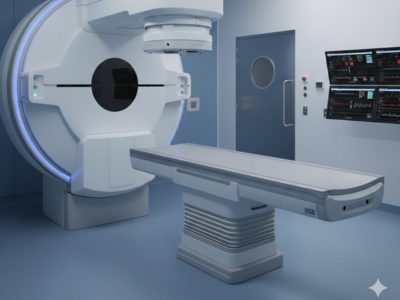
- Multidisciplinary Treatment Approach: The treatment plan involves a combination of surgery, radiation therapy, and chemotherapy. In the case of high-grade gliomas, additional therapies or clinical trials involving new treatments such as immunotherapy and targeted therapies may be needed. The main factor driving market growth is the growing initiatives by regional and state governments to improve access to treatment for patients, along with the rising incidence of high-grade gliomas.
- Supportive Care: Supportive care focuses on symptom management, including controlling seizures, reducing fatigue, and addressing neurological deficits. Rehabilitation services like physical therapy, occupational therapy, and psychological support improve recovery and help maintain daily functioning. Caregivers also play an essential role in emotional support throughout treatment.
Advances in Glioma Research
Research on glioma brain tumors is ongoing globally. The research aims to comprehend the genetic forces that cause the growth of these tumors and the mechanisms that cause them to be resistant to treatments. Breakthroughs in molecular medicine and targeted therapy enable doctors to develop personalized treatment strategies for patients, increasing their chances of survival.
Future Outlook
Glioma brain tumors are a wide range of tumors that have varying growth rates, symptoms, and treatment approaches. From aggressive glioblastoma to oligodendrogliomas that grow slowly, early detection, treatment, and research are essential in improving the lives of patients. Advances in personalized medicine, molecular diagnostics, and clinical trials offer patients hope for improved treatments, allowing them to live their lives to the fullest despite the challenges that come with such tumors.