
Aspartame Free Protein Market Trends, Size & Forecast by 2034
Coverage: By Product (Barreled and Bagged); Application (Professional Athletes and Amateur), and Geography (North America, Europe, Asia Pacific, and South and Central America)
- Status : Data Released
- Report Code : TIPRE00029315
- Category : Food and Beverages
- No. of Pages : 150
- Available Report Formats :


- Last update date : August 28, 2026


2025 Market Size
US$ 47.33 Mn
Base year value
2034 Forecast
US$ 63.7 Mn
Projected by 2034
CAGR 2026-2034
3.35 %
Growth rate
Addressable Market
US$ 504.08 Mn
(2026-2034)
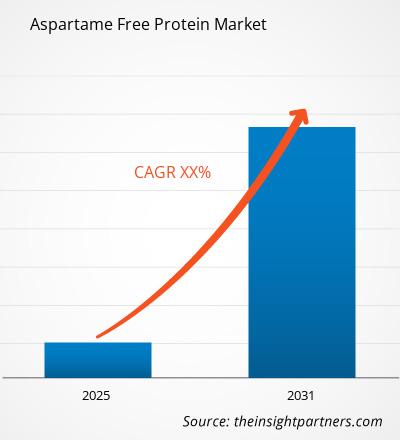
The aspartame free protein market is projected to grow from US$ 47.33 Million in 2025 to US$ 63.7 Million by 2034, registering a CAGR of 3.35% during 2026–2034. Demand is supported by clean-label sports nutrition, growing scrutiny of artificial sweeteners, and consumer preference for protein products formulated with stevia, monk fruit, erythritol, or unsweetened profiles.
North America remains the core revenue base, with the aspartame free protein market size supported by fitness culture, premium supplement purchasing, and broader adoption of naturally sweetened protein powders and bars. The region is expected to grow at a CAGR of 3.1–3.6% during 2026–2034 as brands reformulate legacy products and retailers expand clean-label shelf space.
Aspartame Free Protein Market Assessment and Insights
- North America accounted for 36–39% share in 2025 and is expected to grow at a CAGR of 3.1–3.6% during 2026–2034, led by premium sports nutrition and clean-label demand.
- US represented 84–88% of North America revenue in 2025 and is projected to grow at 3.2–3.7%, supported by fitness retailers, e-commerce, and product reformulation.
- Europe held 24–27% share in 2025 and is forecast to grow at 3.0–3.5%, with the UK, Germany, France, Italy, and Spain leading demand.
- Asia Pacific captured 22–25% share in 2025 and is expected to expand at 3.7–4.3%, driven by China, Japan, South Korea, India, and Australia.
- Largest Segment: Bagged products held 61–65% market share in 2025 and are expected to grow at 3.2–3.7% as powder tubs and pouches dominate repeat-use nutrition.
- High Growth Segment: Amateur application held 54–58% share in 2025 and is projected to grow at 3.6–4.2% as lifestyle fitness users seek cleaner ingredient labels.
- Key companies analyzed in detail: Glanbia Performance Nutrition, Inc.; Nutrabolt; Universal Nutrition; Iovate Health Sciences International Inc.; Quest Nutrition, LLC; Nature’s Bounty Co.; MusclePharm Corporation; Cargill, Incorporated; Vitasweet Co., Ltd.; NOW Health Group, Inc.
Source: The Insight Partners' analysis based on proprietary research, government publications, company annual reports, investor presentations, industry databases, and expert interviews.
Product development in the area is increasingly becoming ingredient-focused as opposed to protein performance claims alone. The segment has gone past being dominated by unsweetened powder forms to whey, plant, bar and ready-to-mix types. Ingredient manufacturers are increasingly working on hiding the bitter taste of stevia and plant proteins without reducing the protein content and other aspects, such as mixability.
Future demand will get a boost from users in supplements paying greater attention to the sweeteners used and retailers organizing products according to clean labels. Emerging markets will continue to grow slowly, although consistently, through an increasing number of gyms, online health stores and health-conscious populations in urban areas. There is likely to be greater regulatory interest in sweetener communication and labeling.
Aspartame Free Protein Market Report Scope
| Report Attribute | Details |
|---|---|
| Market size in 2025 | US$ 47.33 Million |
| Market Size by 2034 | US$ 63.7 Million |
| Global CAGR (2026 - 2034) | 3.35% |
| Historical Data | 2021-2024 |
| Forecast period | 2026-2034 |
Aspartame Free Protein Market Analysis
The aspartame free protein market growth is tied to consumers who want muscle recovery, satiety, and daily nutrition without synthetic sweeteners. Professional athletes are more concerned about the tests for substances prohibited from their bodies and the predictability of digestion, whereas recreational users place more emphasis on taste, calories, and ingredient recognition. The supply chain comprises protein providers, flavor manufacturers, natural sweetener makers, contract manufacturers, fitness stores, and online stores that affect the discovery and repurchase rate.
The dynamics of supply depend on whey availability, plant protein sourcing, flavor prices, and the stability of natural sweeteners. It appears from the market analysis that brands should strike the right balance between sweetness, texture, and cost, as monk fruit and high-purity stevia may lead to increased cost of formulation.
The competitive landscape is divided among global sports nutrition players and ingredient providers. Glanbia Performance Nutrition, Inc., Nutrabolt, Universal Nutrition, Iovate Health Sciences International Inc., Quest Nutrition, LLC, Nature’s Bounty Co., MusclePharm Corporation, Cargill, Incorporated, Vitasweet Co., Ltd., and NOW Health Group, Inc. compete using flavors, protein, certifications, web presence, and shelf space.
Investments are being made into naturally sweetened powders, non-flavored products, high-protein bars, and clean labels through batch testing. Positioning varies with the different buyers; for athletes, there is a focus on efficacy, while for the mass market, there is a focus on ease of digestion and minimal sugar content. Formulation will still be critical as poor taste will reduce repurchasing potential.
● REPORT CUSTOMIZATION
Tailor This Report To Align With Your Specific Business Requirements
This report can be customized to align precisely with your business objectives, scope, and target markets. Customization options include tailored segmentation, geography, competitive analysis, and strategic insights to support informed decision-making.
Customize This Report →WHAT YOU CAN ADJUST
- ● Segmentations
- ● Geography
- ● Competitive Analysis
- ● Language Preferences
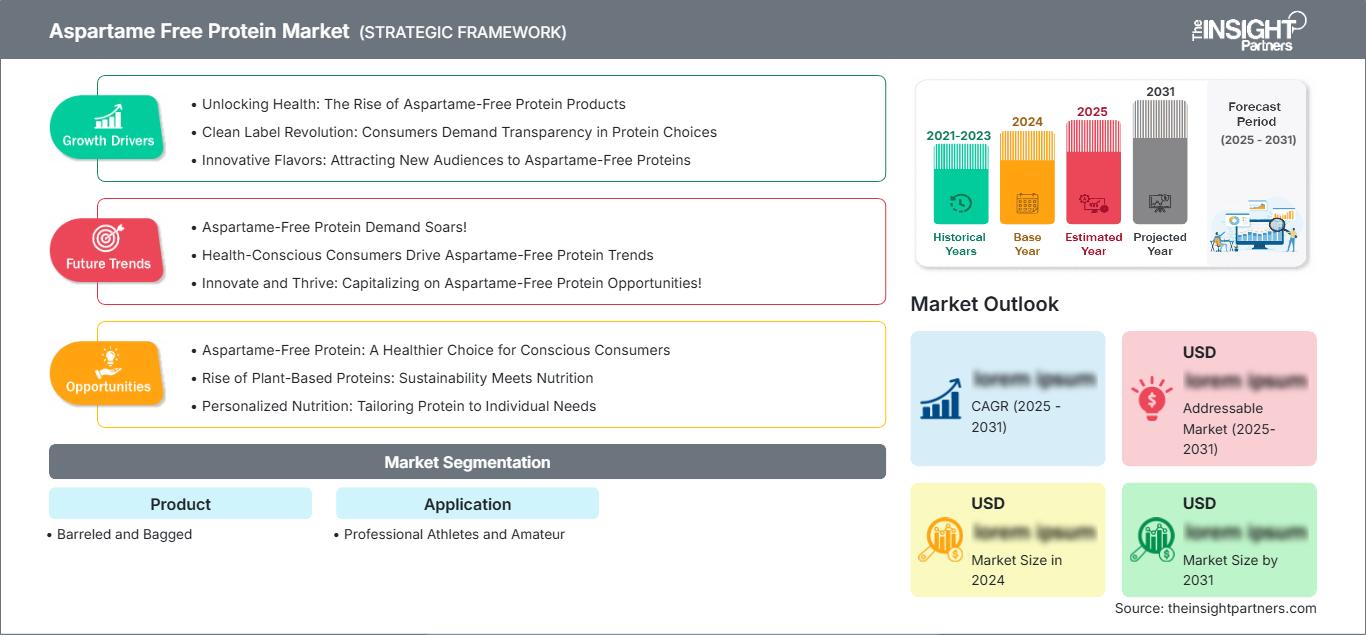
Aspartame Free Protein Market: Strategic Insights
Regional Insights
North America aspartame free protein market
North America held 36–39% share in 2025 and is projected to grow at a CAGR of 3.1–3.6% during 2026–2034. The aspartame free protein market share is reinforced by strong supplement usage, specialty retail, brand-owned e-commerce, and consumer interest in protein powders without artificial sweeteners.
Demand is strongest among gym users, endurance athletes, weight-management consumers, and households substituting protein snacks for conventional sweets. Retailers are expanding naturally sweetened and unsweetened options, while brands use certifications, transparent labels, and flavor variety to defend premium pricing in a competitive sports nutrition aisle.
U.S. aspartame free protein Market
The US represented 84–88% of North America's revenue in 2025 and is expected to grow at 3.2–3.7% through 2034. The use of protein powder, supplements being discovered through influencers, and frequent repurchasing online help fuel the demand from professionals and amateurs.
The company has a robust presence, with Glanbia Performance Nutrition, Inc., Nutrabolt, Quest Nutrition, LLC, Nature’s Bounty Co., MusclePharm Corporation, NOW Health Group, Inc., Cargill, Incorporated, and Iovate Health Sciences International Inc. all catering to the sports, wellness, and ingredients segments. The applications focus on clean recovery, mealtime support, and labeling.
Europe aspartame free protein Market
Europe accounted for 24–27% share in 2025 and is forecast to grow at 3.0–3.5% during 2026–2034. The UK leads through sports nutrition retail and active gym participation, while Germany supports demand through functional foods, pharmacy channels, and careful ingredient scrutiny.
France, Italy, and Spain are expanding as wellness consumers adopt protein snacks and powders with simpler sweetener systems. European buyers often emphasize additive disclosure, vegan options, and sugar reduction. Brands that align clean-label claims with credible taste and formulation transparency are likely to maintain shelf access.
APAC aspartame free protein Market
APAC held 22–25% share in 2025 and is expected to grow at 3.7–4.3% through 2034. China leads through online health retail, while Japan and South Korea support premium wellness and controlled-calorie nutrition.
India and Australia add growth through gyms, sports participation, and plant-based protein interest. Cost sensitivity remains important, so brands may scale smaller pack sizes and mainstream flavors. Regional adoption will improve as natural sweeteners become better understood by consumers and formulators.
Middle East & Africa aspartame free protein Market
The Middle East & Africa is projected to grow at 3.0–3.6% during 2026–2034. Saudi Arabia and the UAE lead demand through fitness clubs, premium retail, and urban wellness trends, while South Africa supports a broader sports nutrition base.
The rest of MEA remains earlier in adoption because price and availability constrain clean-label products. Imported powders dominate premium channels, but online platforms are improving access. Halal positioning, transparent labels, and smaller pack formats can broaden adoption among urban amateur users.
Segmentation Analysis
Product
Product defines market scope because format affects convenience, dose control, shelf life, and buying frequency. This segment is projected to grow at 3.2–3.8% during 2026–2034 as powder packaging remains dominant while ready-to-use and portion-controlled formats improve accessibility.
- Barreled products serve bulk institutional, gym, and foodservice users that need larger volumes, predictable cost per serving, and consistent formulations for frequent protein preparation.
- Bagged products dominate consumer purchasing through resealable pouches and tubs that support home use, flavor variety, e-commerce fulfillment, and repeat monthly supplement routines.
Application
Application is expected to grow at 3.3–3.9% through 2034 as usage broadens from competitive sport to lifestyle nutrition. Athletes demand performance reliability, while casual users increasingly seek simple labels, taste, and digestive comfort from daily protein products.
- Professional Athletes prioritize tested ingredients, predictable macronutrients, recovery support, and formulations without unwanted additives that could conflict with strict dietary or certification requirements.
- Amateur users represent a broader volume because gym-goers, weight-management consumers, and wellness shoppers use protein products for convenience, satiety, and everyday clean-label nutrition.
Opportunity Snapshot
| Application | Revenue Contribution | Trend Tag | Adoption Stage | |
| Professional Athletes | Medium | Tested Recovery | Mature | |
| Amateur | High | Clean Fitness | Scaling |
Aspartame Free Protein Market Growth Drivers and Impact Analysis
Clean-Label Scrutiny of Artificial Sweeteners
There has been an increase in scrutiny of the labels on supplements since there have been increased debates concerning the use of intense sweeteners in food and beverages. Protein powders are often taken on a daily basis, which makes consumers very sensitive about any ingredient that is seen as unnecessary or unnatural. This factor acts as a catalyst in reformulating these protein powders to replace aspartame with stevia, monk fruit, erythritol, allulose, or non-flavored formulas. This trend has a greater effect in premium distribution channels where consumers are already comparing labels and paying extra for the guarantee of clean-label products.
Fitness Participation Expanding Everyday Protein Use
It is not just elite athletes who require supplementation with proteins anymore. Casual gym users, runners, individuals managing their weight and older people have been using protein supplements in order to help them feel full, maintain muscles and recover. As a consequence of growing demands on the market, the demand for aspartame-free products becomes more relevant since casual consumers usually pay attention to taste and overall feeling of well-being at the same time. The result of that situation is the increase of potential customer base for powders and protein snacks, which can offer some level of sweetness, ease of digestion and clear labeling.
Natural Sweetener and Flavor Technology Improvements
Traditional natural sweetener systems were usually hampered by some degree of bitterness, coolness, or aftertaste, which impeded their use in protein-based foods. Advancements in the purification of stevia, extraction of monk fruit, flavor masking, and blends of sweeteners are making it possible for companies to create better-tasting products without using aspartame. This is a driver that makes it possible to avoid the old dilemma between clean labels and good taste. This driver has commercial significance since the purchase of a product depends a lot on its daily utility.
Aspartame Free Protein Market Future Trends
Unflavored and Customizable Protein Bases
Aspartame free protein market trends will increasingly include unflavored or lightly flavored bases that let consumers control sweetness through fruit, coffee, yogurt, or recipes. This strategy is beneficial to users who desire a lower number of additives and more versatility in shakes, baking, and food preparation. Additionally, companies can streamline their flavor range and focus more on protein quality and mixability. This strategy relies heavily on usage instructions since consumers need to know how the unflavored proteins behave before purchasing.
Convergence of Protein, Gut Health, and Low Sugar
Forthcoming innovations are going to be the combination of a protein free from aspartame, digestive enzymes, prebiotics, probiotics, and less sugar content. Consumers are associating the tolerability of the supplement with the comfort of their gut, and not just muscle restoration. This allows a space for the development of formulations free from artificial sweeteners and enhancing digestion and satiety at the same time. Careful product formulation will be required as additional fibers may impact product palatability.
Aspartame Free Protein Market Opportunities
Premium Bagged Powders for Digital Channels
Aspartame free protein market Forecasts show opportunity in digitally sold bagged powders positioned around clean labels, flexible serving sizes, and subscription convenience. E-commerce lets brands explain sweetener systems, certifications, protein sources, and flavor testing in more detail than shelf packaging allows. Smaller brands can target specific user groups, including vegan consumers, lactose-sensitive users, and low-sugar shoppers. The opportunity is strongest where companies combine transparent ingredient panels with reviews, sample packs, and repeat-purchase incentives that reduce trial barriers.
Sports Nutrition Reformulation for Mainstream Retail
Mainstream supplement shelves still include many products with artificial sweeteners, creating room for reformulated lines that retain familiar flavors while removing aspartame. Retailers can use clean-label protein sections to simplify shopper navigation and capture premium margins. Brand owners should prioritize taste testing, cost management, and clear front-label claims. This opportunity is practical because it leverages existing distribution rather than requiring entirely new categories, while helping established products stay relevant to younger label-conscious consumers.
Frequently Asked Questions

- Comprehensive Market Sizing and Forecast Analysis
- Detailed Segmentation Analysis
- In-Depth Market Dynamics Assessment
- Regional and Country-Level Insights
- Competitive Landscape and Company Benchmarking
- Strategic Business Intelligence
Recent Reports
Testimonials

The Insight Partners provided valuable market intelligence that supported our global go-to-market strategy. Their team was professional, responsive, and attentive to our feedback, providing thoughtful analysis and helpful methodological clarifications throughout the project.
Junmo Kim Chief Financial Officer (CFO), Enertech Co., Ltd.
The Insight Partners' SCADA System Market report is comprehensive, with valuable insights on current trends and future forecasts. The team was highly professional, responsive, and supportive throughout. We are very satisfied and highly recommend their services.
RAN KEDEM Partner, Reali Technologies LTDs
I requested a report on a very specific software market and the team produced the report in a few days. The information was very relevant and well presented. I then requested some changes and additions to the report. The team was again very responsive and I got the final report in less than a week.
JEAN-HERVE JENN Chairman, Future Analytica
We worked with The Insight Partners for an important market study and forecast. They gave us clear insights into opportunities and risks, which helped shape our plans. Their research was easy to use and based on solid data. It helped us make smart, confident decisions. We highly recommend them.
PIYUSH NAGPAL Sr. Vice President, High Beam Global
The Insight Partners delivered insightful, well-structured market research with strong domain expertise. Their team was professional and responsive throughout. The user-friendly website made accessing industry reports seamless. We highly recommend them for reliable, high-quality research services
YUKIHIKO ADACHI CEO, Deep Blue, LLC.
This is the first time I have purchased a market report from The Insight Partners.While I was unsure at first, I visited their web site and felt more comfortable to take the risk and purchase a market report.I am completely satisfied with the quality of the report and customer service. I had several questions and comments with the initial report, but after a couple of dialogs over email with their analyst I believe I have a report that I can use as input to our strategic planning process.Thank you so much for taking the extra time and making this a positive experience.I will definitely recommend your service to others and you will be my first call when we need further market data.
JOHN SUZUKI President and Chief Executive Officer, Board Director, BK Technologies
I wish to appreciate your support and the professionalism you displayed in the course of attending to my request for information regarding to infectious disease IVD market in Nigeria. I appreciate your patience, your guidance, and the fact that you were willing to offer a discount, which eventually made it possible for us to close a deal. I look forward to engaging The Insight Partners in the future, all thanks to the impression you have created in me as a result of this first encounter.
DR CHIJIOKE ONYIA MANAGING DIRECTOR, PineCrest Healthcare Ltd.Reason to Buy
- Informed Decision-Making
- Understanding Market Dynamics
- Competitive Analysis
- Identifying Emerging Markets
- Customer Insights
- Market Forecasts
- Risk Mitigation
- Boosting Operational Efficiency
- Strategic Planning
- Investment Justification
- Tracking Industry Innovations
- Aligning with Regulatory Trends





 Get Free Sample for