
Botanical Extracts Market Demand, Trends & Forecast by 2034
Coverage: By Source (Herbs and Spices, Flowers, Fruits, Tea Leaves, and Others); Form (Powder and Liquid); Application (Food and Beverages, Pharmaceutical and Nutraceutical, Personal Care and Cosmetics, and Others), and Geography
- Status : Data Released
- Report Code : TIPRE00005138
- Category : Food and Beverages
- No. of Pages : 150
- Available Report Formats :


- Last update date : March 24, 2026


2025 Market Size
US$ 8.22 Bn
Base year value
2034 Forecast
US$ 13.29 Bn
Projected by 2034
CAGR 2026-2034
6.19 %
Growth rate
Addressable Market
US$ 101.10 Bn
(2026-2034)
The global Botanical Extracts Market size is projected to reach US$ 13.29 billion by 2034 from US$ 8.22 billion in 2025. The market is anticipated to register a CAGR of 6.19% during the forecast period 2026-2034.
Botanical Extracts Market Analysis
The botanical extracts market analysis reveals a decisive move toward standardized extracts as manufacturers seek consistent bioactive profiles for clinical efficacy. Procurement trends indicate a shift toward vertically integrated supply chains where transparency and traceability from seed to shelf serve as the primary competitive advantage. Strategic opportunities are emerging in the development of targeted delivery systems, such as encapsulation, which improve the bioavailability of hydrophobic botanicals in aqueous food and beverage applications. The analysis also suggests that market participants should focus on diversifying their source portfolios to include underutilized Ayurvedic and Traditional Chinese Medicine (TCM) herbs, which are gaining traction in Western wellness markets. By aligning product development with rigorous regulatory certifications (such as GRAS and EFSA compliance), companies can mitigate the risks associated with varying international safety standards and capture high-margin segments in the pharmaceutical and nutraceutical industries.
Botanical Extracts Market Overview
Botanical extracts are transitioning from a traditional herbal niche into a cornerstone of the global functional ingredient industry. Driven by the back to nature movement, these extracts are now essential components in everything from stress-relief supplements to natural food colorants and antioxidants. The market landscape is characterized by a mix of large-scale ingredient processors and specialized boutique extractors focusing on high-purity phytochemicals like polyphenols, flavonoids, and alkaloids. As consumers become more educated about the link between diet and chronic disease, the demand for botanical-infused products has spiked across North America and Europe. Meanwhile, Asia-Pacific region remains the largest source of raw materials and a rapidly expanding consumer base for premium herbal formulations. For instance, the market in the US is defined by a robust appetite for transparency and clean-label products. Consumers increasingly scrutinize ingredient lists, favoring recognizable plant-based sources over synthetic alternatives. This has led to a surge in botanical integration within the functional beverage industry and a thriving domestic industry focused on high-quality, sustainably sourced herbal supplements.
Market Assessment and Insights
- Global market for Botanical Extracts was valued at US$ 8.22 Billion in 2025
- Annual market size is expected to reach US$ 13.29 Billion by 2034
- Total addressable market (TAM) during 2026-2034 is projected to reach approximately US$ 101.10 Billion
- Market is anticipated to register a CAGR of 6.19% during the forecast period
- The United States represents a key market, supported by Increase in Consumer Preference for Natural and Organic Products, as well as evolving industry dynamics
- Market analysis covers North America, Europe, Asia-Pacific, South and Central America, Middle East and Africa, with growth evaluated across the forecast period
- Market opportunities such as Growing Demand for Ethical and Sustainable Products are expected to influence market dynamics and addressable market
- Report profiles industry participants, including Evonik Industries AG, Blue Sky Botanics, Synergy Flavors, PT. Indesso Aroma, Select Botanical, SL, K Patel Phyto Extractions Pvt. Ltd., Bio-Botanica, Botanic Healthcare, Kerry Group, Frutarom, Archer Daniels Midland, International Flavors and Fragrances Inc, Ransom Naturals Limited, Kalsec Inc, Martin Bauer Group, while analyzing competitive strategies and innovation developments
-
Source: The Insight Partners' analysis based on proprietary research, government publications, company annual reports, investor presentations, industry databases, and expert interviews.
● REPORT CUSTOMIZATION
Tailor This Report To Align With Your Specific Business Requirements
This report can be customized to align precisely with your business objectives, scope, and target markets. Customization options include tailored segmentation, geography, competitive analysis, and strategic insights to support informed decision-making.
Customize This Report →WHAT YOU CAN ADJUST
- ● Segmentations
- ● Geography
- ● Competitive Analysis
- ● Language Preferences
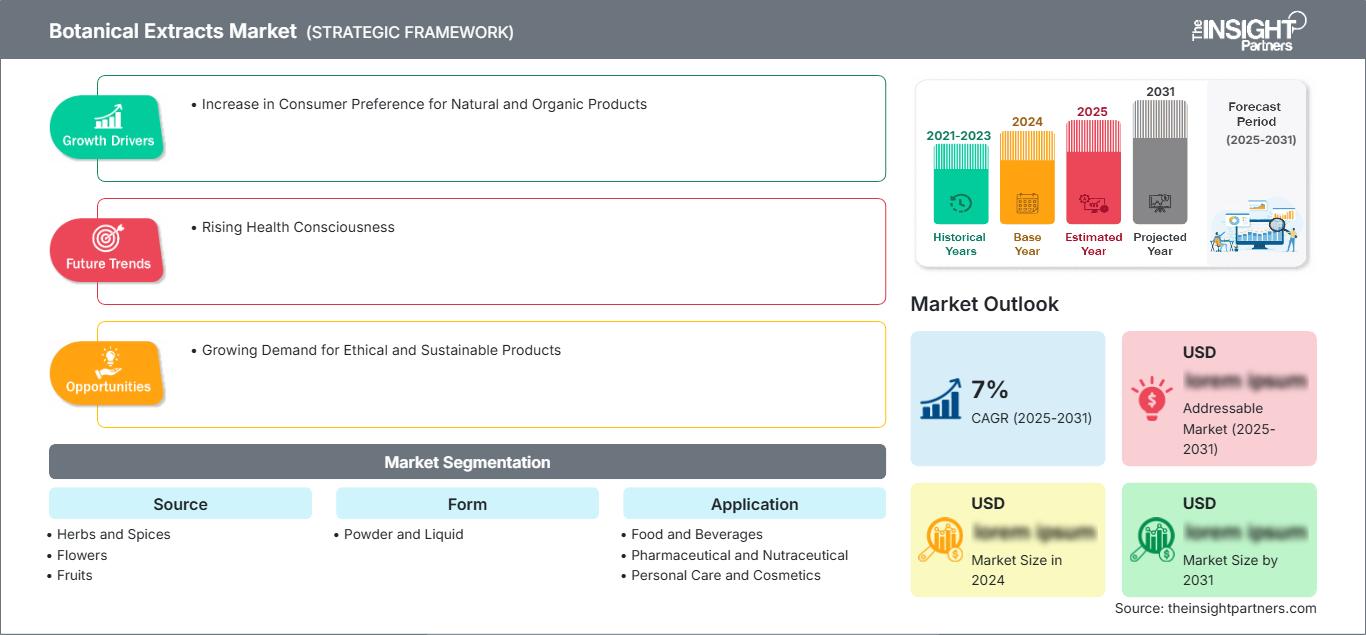
Botanical Extracts Market: Strategic Insights
-
Get Top Key Market Trends of this report.This FREE sample will include data analysis, ranging from market trends to estimates and forecasts.
Market Drivers:
- Rising Demand for Clean-Label and Natural Products: Modern consumers are increasingly wary of synthetic additives, flavors, and preservatives. This shift is driving food and beverage manufacturers to replace artificial components with botanical extracts like rosemary, green tea, and acerola, which offer both functional benefits and natural preservation.
- Surge in Chronic Lifestyle Diseases: The growing prevalence of conditions such as obesity, diabetes, and cardiovascular issues has steered the public toward preventive healthcare. Botanical extracts with proven health benefits, such as turmeric for inflammation or hibiscus for blood pressure, are seeing massive uptake in the nutraceutical sector.
- Advancements in Extraction Technologies: Innovations like CO2 supercritical extraction and ultrasound-assisted extraction have revolutionized the industry. These methods allow for higher yields of sensitive bioactive compounds without using harsh chemical solvents, meeting the natural standards demanded by premium cosmetic and pharmaceutical brands.
Market Opportunities:
- Growth in the Cosmeceutical Market: There is a significant opportunity to develop botanical-based active ingredients for anti-aging, UV protection, and skin-brightening applications. As the beauty industry moves toward Blue Beauty and Clean Beauty, botanical extracts are becoming the preferred alternative to chemical actives.
- Expansion into Plant-Based Meat Alternatives: Botanical extracts can play a crucial role in improving the sensory profile of plant-based proteins. Natural extracts that provide umami flavors, realistic colors, and antioxidant stability offer a high-growth avenue as the global meat-alternative market scales.
- Development of Personalized Nutrition: Leveraging botanical extracts in personalized supplement plans, tailored to an individual's genetic makeup or lifestyle, presents a high-margin opportunity for companies to partner with health-tech firms and diagnostic providers.
Botanical Extracts Market Report Segmentation Analysis
The Botanical Extracts Market share is analyzed across various segments to provide a clearer understanding of its structure, growth potential, and emerging trends. Below is the standard segmentation approach used in most industry reports:
By Source:
- Herbs and Spices: Includes widely used extracts like turmeric, ginger, and garlic, which dominate the culinary and medicinal industry due to their potent antioxidant and antimicrobial properties.
- Flowers: Emerging as a key segment in the aromatherapy and skincare industries, with extracts like chamomile, lavender, and rose being valued for their soothing and aromatic qualities.
- Fruits: A high-volume segment providing natural vitamins and colors; citrus, berries, and pomegranate extracts are frequently used in functional juices and dietary supplements.
- Tea Leaves: Driven by the global popularity of green and black tea extracts, this segment is a staple in the weight management and energy drink markets.
- Others: Includes roots, barks, and seeds, often utilized in specialized pharmaceutical applications and traditional medicine formulations.
By Form:
- Powder: The preferred form for the nutraceutical and pharmaceutical industries due to its ease of handling, longer shelf life, and standardized dosage capabilities in capsules and tablets.
- Liquid: Widely utilized in the beverage and personal care market for its immediate solubility and ease of incorporation into lotions, serums, and functional drinks.
By Application:
- Food and Beverages: The largest application segment, where extracts serve as natural preservatives, flavor enhancers, and functional additives in energy drinks and bakery products.
- Pharmaceutical and Nutraceutical: A rapidly growing segment focusing on therapeutic concentrations of plant compounds for supplements and over-the-counter (OTC) medications.
- Personal Care and Cosmetics: Driven by the demand for natural beauty, where botanical actives are used for hair care, skin rejuvenation, and organic makeup.
- Others: Encompasses niche areas like animal feed additives and eco-friendly agricultural biostimulants.
By Geography:
- North America
- Europe
- Asia Pacific
- South & Central America
- Middle East & Africa
Botanical Extracts Market Report Scope
| Report Attribute | Details |
|---|---|
| Market size in 2025 | US$ 8.22 Billion |
| Market Size by 2034 | US$ 13.29 Billion |
| Global CAGR (2026 - 2034) | 6.19% |
| Historical Data | 2021-2024 |
| Forecast period | 2026-2034 |
| Segments Covered |
By Source
|
| Regions and Countries Covered |
North America
|
| Market leaders and key company profiles |
|
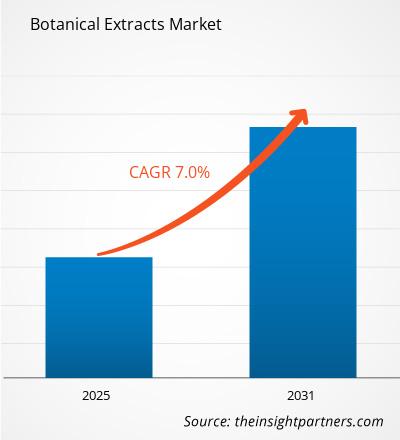
Botanical Extracts Market Players Density: Understanding Its Impact on Business Dynamics
The Botanical Extracts Market is growing rapidly, driven by increasing end-user demand due to factors such as evolving consumer preferences, technological advancements, and greater awareness of the product's benefits. As demand rises, businesses are expanding their offerings, innovating to meet consumer needs, and capitalizing on emerging trends, which further fuels market growth.
Botanical Extracts Market Share Analysis by Geography
Asia-Pacific is expected to grow fastest in the coming years. Emerging markets in South & Central America, the Middle East, and Africa also have many untapped opportunities for premium botanical producers and functional food manufacturers to expand.
The botanical extracts market is undergoing a significant transformation, moving from traditional herbalism to a science-backed global ingredient industry. Growth is driven by the rising preference for plant-based lifestyles, a surge in demand for natural food preservation, and the expansion of the premium organic beauty sector. Below is a summary of market share and trends by region:
North America
- Market Share: A highly mature and innovation-driven segment characterized by a massive nutraceutical industry and stringent quality standards.
- Key Drivers:
- Widespread adoption of high-protein and functional diets among the health-conscious population.
- Strong presence of major dietary supplement and functional beverage manufacturers.
- High consumer awareness regarding the health benefits of specific phytochemicals like Curcumin and Ashwagandha.
- Trends: Increasing focus on Sustainable Sourcing certifications and the rapid growth of botanical-infused mocktails and non-alcoholic social beverages.
Europe
- Market Share: Holds a significant share globally, supported by a long history of phytotherapy and a rigid regulatory framework (EFSA) that favors standardized, safe ingredients.
- Key Drivers:
- The region's leadership in the global organic personal care and clean beauty movement.
- High demand for natural food colorants and preservatives to comply with clean label retail requirements.
- Strong government and consumer push for biodiversity and environmentally friendly extraction processes.
- Trends: A strategic shift toward Circular Economy practices, such as upcycling agricultural waste (e.g., grape skins or olive pomace) into high-value botanical extracts.
Asia-Pacific
- Market Share: The fastest-growing region and the primary global hub for raw material supply, particularly from China and India.
- Key Drivers:
- Deep cultural integration of Traditional Chinese Medicine (TCM) and Ayurveda into daily healthcare.
- Rapid urbanization and rising disposable income, leading to higher spending on premium health supplements.
- Government incentives for the modernization of traditional herbal medicine production.
- Trends: Growing reliance on e-commerce for D2C herbal brands and the rise of Nutricosmetics, edible botanical extracts aimed at improving skin health from within.
South and Central America
- Market Share: An emerging market benefiting from its immense biodiversity, particularly in the Amazon rainforest.
- Key Drivers:
- Increasing export demand for unique regional botanicals like Açaí, Guarana, and Yerba Mate.
- Rising domestic interest in natural health products among the expanding middle class in Brazil and Chile.
- Modernization of local processing facilities to meet international export standards.
- Trends: Growth in Eco-Tourism linked to traditional herbal knowledge and the rise of boutique brands focusing on Super-fruit extracts.
Middle East and Africa
- Market Share: A developing market with significant potential for specialized desert-based and indigenous botanicals.
- Key Drivers:
- Historical use of botanical extracts in regional perfumes and traditional medicine (e.g., Frankincense, Rooibos).
- Increasing investment in local manufacturing to reduce reliance on imported pharmaceutical ingredients.
- High demand for natural ingredients in the expanding halal-certified cosmetics market.
- Trends: Implementation of modern irrigation and sustainable harvesting technologies for indigenous plants like Marula and Baobab.
High Market Density and Competition
Competition is intensifying due to the presence of established leaders such as Givaudan, International Flavors & Fragrances (IFF), and Kerry Group. Regional experts and niche players like Nexira (France), Martin Bauer Group (Germany), and Synthite Industries (India) also contribute to a diverse and rapidly expanding market landscape.
This competitive environment pushes vendors to differentiate through:
- Scientific Validation and Standardization: Positioning botanical extracts as clinically proven ingredients by providing human trial data and standardized bioactive markers to gain trust in the medical and pharmaceutical industry.
- Product Portfolio Expansion: Moving beyond basic powders to offer System-Based Solutions, such as custom botanical blends tailored for specific health outcomes like sleep, immunity, or cognitive focus.
- Vertical Integration: Producers are increasingly controlling the supply chain from farming to extraction. This ensures purity, prevents adulteration, and meets the rigorous Organic and Non-GMO standards required by modern retailers.
- Green Extraction Technologies: Investing in solvent-free and energy-efficient extraction methods (like Microwave-Assisted Extraction) to reduce environmental footprints and appeal to eco-conscious B2B clients.
Opportunities and Strategic Moves
- Partner with Tech-Enabled Transparency Platforms: Utilize blockchain or DNA-barcoding to provide customers with an immutable record of an extract's origin and purity, tapping into the Radical Transparency trend.
- Incorporate Regenerative Agriculture: Pursue certifications that go beyond Organic to include soil health and carbon sequestration, appealing to the growing demographic of Climate-Conscious consumers.
Major Companies operating in the Botanical Extracts Market are:
- Evonik Industries AG
- Blue Sky Botanics
- Synergy Flavors
- PT. Indesso Aroma
- Select Botanical, SL
- K Patel Phyto Extractions Pvt. Ltd.
- Bio-Botanica
- Botanic Healthcare
- Kerry Group
- Frutarom
- Archer Daniels Midland
- International Flavors and Fragrances Inc
- Ransom Naturals Limited
- Kalsec Inc
- Martin Bauer Group
Disclaimer: The companies listed above are not ranked in any particular order.
Botanical Extracts Market News and Recent Developments
- In February 2025, Kerry Group launched a comprehensive guide to evolving flavor trends and innovations in the wellness industry. These charts served as an essential tool for supplement and nutraceutical manufacturers, helping them anticipate market shifts and create health and flavor-forward products that effectively utilized botanical extracts to meet rising consumer demand for natural ingredients.
- In October 2024, DSM-Firmenich, a global leader in nutrition, health, and beauty, completed the sale of its yeast extract business to Lesaffre, a prominent player in fermentation and microorganisms. This strategic divestment, which was originally announced on June 12, 2024, allowed the company to sharpen its focus on high-growth areas within its health and nutrition portfolio, particularly the development of innovative and sustainable botanical extracts.
Botanical Extracts Market Report Coverage and Deliverables
The Botanical Extracts Market Size and Forecast (2021–2034) report provides a detailed analysis of the market covering below areas:
- Botanical Extracts Market size and forecast at global, regional, and country levels for all the key market segments covered under the scope
- Botanical Extracts Market trends, as well as market dynamics such as drivers, restraints, and key opportunities
- Detailed PEST and SWOT analysis
- Botanical Extracts Market analysis covering key market trends, global and regional framework, major players, regulations, and recent market developments
- Industry landscape and competition analysis covering market concentration, heat map analysis, prominent players, and recent developments in the Botanical Extracts Market.
- Detailed company profiles
Frequently Asked Questions

- Comprehensive Market Sizing and Forecast Analysis
- Detailed Segmentation Analysis
- In-Depth Market Dynamics Assessment
- Regional and Country-Level Insights
- Competitive Landscape and Company Benchmarking
- Strategic Business Intelligence
Recent Reports
Testimonials

The Insight Partners' SCADA System Market report is comprehensive, with valuable insights on current trends and future forecasts. The team was highly professional, responsive, and supportive throughout. We are very satisfied and highly recommend their services.
RAN KEDEM Partner, Reali Technologies LTDs
I requested a report on a very specific software market and the team produced the report in a few days. The information was very relevant and well presented. I then requested some changes and additions to the report. The team was again very responsive and I got the final report in less than a week.
JEAN-HERVE JENN Chairman, Future Analytica
We worked with The Insight Partners for an important market study and forecast. They gave us clear insights into opportunities and risks, which helped shape our plans. Their research was easy to use and based on solid data. It helped us make smart, confident decisions. We highly recommend them.
PIYUSH NAGPAL Sr. Vice President, High Beam Global
The Insight Partners delivered insightful, well-structured market research with strong domain expertise. Their team was professional and responsive throughout. The user-friendly website made accessing industry reports seamless. We highly recommend them for reliable, high-quality research services
YUKIHIKO ADACHI CEO, Deep Blue, LLC.
This is the first time I have purchased a market report from The Insight Partners.While I was unsure at first, I visited their web site and felt more comfortable to take the risk and purchase a market report.I am completely satisfied with the quality of the report and customer service. I had several questions and comments with the initial report, but after a couple of dialogs over email with their analyst I believe I have a report that I can use as input to our strategic planning process.Thank you so much for taking the extra time and making this a positive experience.I will definitely recommend your service to others and you will be my first call when we need further market data.
JOHN SUZUKI President and Chief Executive Officer, Board Director, BK Technologies
I wish to appreciate your support and the professionalism you displayed in the course of attending to my request for information regarding to infectious disease IVD market in Nigeria. I appreciate your patience, your guidance, and the fact that you were willing to offer a discount, which eventually made it possible for us to close a deal. I look forward to engaging The Insight Partners in the future, all thanks to the impression you have created in me as a result of this first encounter.
DR CHIJIOKE ONYIA MANAGING DIRECTOR, PineCrest Healthcare Ltd.Reason to Buy
- Informed Decision-Making
- Understanding Market Dynamics
- Competitive Analysis
- Identifying Emerging Markets
- Customer Insights
- Market Forecasts
- Risk Mitigation
- Boosting Operational Efficiency
- Strategic Planning
- Investment Justification
- Tracking Industry Innovations
- Aligning with Regulatory Trends





 Get Free Sample for