
CD28 Market Size, Growth & Trends by 2034
Coverage: By Type (FPT-155, FR-104, Lulizumab Pegol, Others); Application (Plaque Psoriasis, Solid Tumor, Acute Renal Failure (ARF), Others); and Geography, and Geography (North America, Europe, Asia Pacific, and South and Central America)
- Status : Data Released
- Report Code : TIPRE00021838
- Category : Life Sciences
- No. of Pages : 150
- Available Report Formats :


- Last update date : September 07, 2026


2025 Market Size
US$ 1.45 Bn
Base year value
2034 Forecast
US$ 2.9 Bn
Projected by 2034
CAGR 2026-2034
8.02 %
Growth rate
Addressable Market
US$ 19.58 Bn
(2026-2034)
The CD28 Market is projected to expand from US$ 1.45 Billion in 2025 to US$ 2.9 Billion by 2034, registering a CAGR of 8.02% during 2026–2034. Development activity centers on selective CD28 agonists, antagonists, fusion proteins, antibodies, and research reagents designed to regulate T-cell costimulation. Commercial progress depends on demonstrating controlled immune activation, clinically meaningful efficacy, reproducible manufacturing, and acceptable safety across oncology, autoimmune, and renal applications.
North America remains the principal development and commercialization center, with an estimated CAGR of 7.6–8.4% during 2026–2034. The region benefits from established immuno-oncology infrastructure, translational research networks, biologics manufacturing capacity, and substantial procurement of validated antibodies and recombinant proteins. The CD28 Market size is also supported by clinical programs studying costimulatory pathway modulation in solid tumors and transplantation, alongside institutional demand for flow cytometry and immune-profiling reagents.
CD28 Market Assessment and Insights
- North America: The region accounted for an estimated 36–40% share in 2025 and is projected to grow at a CAGR between 7.6–8.4% during 2026–2034, supported by immunotherapy research, biologics infrastructure, and specialized clinical centers.
- US: The country represented an estimated 82–86% of North America in 2025 and is expected to register a CAGR between 7.8–8.6% through 2034.
- Europe: Europe held an estimated 27–31% share in 2025 and is forecast to advance at a CAGR between 7.2–8.0% during 2026–2034, led by Germany, the UK, and France.
- Asia Pacific: The region represented an estimated 21–25% share in 2025 and is projected to record a CAGR between 8.8–9.8% during 2026–2034, with China, Japan, and South Korea leading adoption.
- Largest Segment: Solid Tumor accounted for an estimated 48–54% market share in 2025 and is projected to register a CAGR between 8.4–9.2% during 2026–2034.
- High Growth Segment: FPT-155 represented an estimated 28–32% market share in 2025 and is expected to expand at a CAGR between 8.7–9.5% during 2026–2034.
- Key companies analyzed in detail: Atox Bio Ltd., Bristol-Myers Squibb Company, Five Prime Therapeutics, Inc., Johnson & Johnson, TheraMAB LLC, Boster Biological Technology, Aviva Systems Biology Corporation, Biobyt Ltd., GeneTex, Inc., and ProteoGenix SAS.
Source: The Insight Partners' analysis based on proprietary research, government publications, company annual reports, investor presentations, industry databases, and expert interviews.
The field has progressed from generalized T-cell activation to context-specific control of the activity of receptor signals. Market players are moving more towards designing Fc fusion proteins, domain antibodies, bispecifics, and application-verified research reagents in order to increase specificity. As a result of this trend, manufacturing has become more demanding in terms of purity of recombinant proteins, functional potency studies, endotoxin-free processes, and lot-to-lot variability. This trend is driven by growing scientific interest in costimulation directed towards the site of interest following the experience gained from the previous attempts at agonist therapy which showed the critical role of dose, receptor architecture, and tissue-specific activation.
During the forecast period, investments are expected to be focused on tumor-specific agonists, specific blockers, biomarker-driven approaches in clinical trials, and scalable platforms for production of research reagents. Clinical research centers in Asia will play an increasingly important role, with China, South Korea, Japan, India, and Australia developing their advanced biological products. The regulatory approval of products will be conditional upon the ability of a product to monitor cytokine release and provide the required safety data based on mechanism of action.
CD28 Market Report Scope
| Report Attribute | Details |
|---|---|
| Market size in 2025 | US$ 1.45 Billion |
| Market Size by 2034 | US$ 2.9 Billion |
| Global CAGR (2026 - 2034) | 8.02% |
| Historical Data | 2021-2024 |
| Forecast period | 2026-2034 |
CD28 Market Analysis
The increase in immuno-oncology studies, immune-based diseases, and the need for functional T-cell testing are drivers of the growth of the CD28 market. CD28 is a costimulatory molecule affecting T-cell proliferation, cytokine release, survival, and cytotoxicity. This function drives demand in therapeutic discovery, flow cytometry, cell-culture stimulation, and translational biomarker analysis applications. CD28's ecosystem consists of antigen producers, antibody manufacturers, recombinant protein suppliers, contract research organizations, clinical sponsors, hospitals, and academic laboratories.
The economics of supply are influenced by expression yield, binding specificity, endotoxin restrictions, conjugation properties, and functional validation requirements. Requirements for therapeutic-grade material are more stringent than research-grade, resulting in significant price differences. Cold-chain logistics and documentation are especially critical for recombinant proteins, monoclonal antibodies, and cell-based potency assays.
CD28 Market Report shows a fragmented market with research-based biopharmaceutical firms and specialized reagent providers. Bristol-Myers Squibb Company offers specific experience of blockade with lulizumab pegol, Five Prime Therapeutics, Inc. invented FPT-155 as a fusion of CD80-Fc protein. Reltecimod as a modulator of CD28 was studied by Atox Bio Ltd. and TheraMAB LLC offered knowledge of controlled superagonist development.
Johnson & Johnson possesses more comprehensive capabilities of immunology and oncology, while GeneTex, Inc., Boster Biological Technology, Aviva Systems Biology Corporation, Biobyt Ltd. and ProteoGenix SAS compete based on antibodies, proteins, assay reagents and custom services. Strategic positioning is becoming more dependent on functional data sets, reproducibility, species cross-reactivity, quick delivery and support for difficult antibody engineering projects.
● REPORT CUSTOMIZATION
Tailor This Report To Align With Your Specific Business Requirements
This report can be customized to align precisely with your business objectives, scope, and target markets. Customization options include tailored segmentation, geography, competitive analysis, and strategic insights to support informed decision-making.
Customize This Report →WHAT YOU CAN ADJUST
- ● Segmentations
- ● Geography
- ● Competitive Analysis
- ● Language Preferences
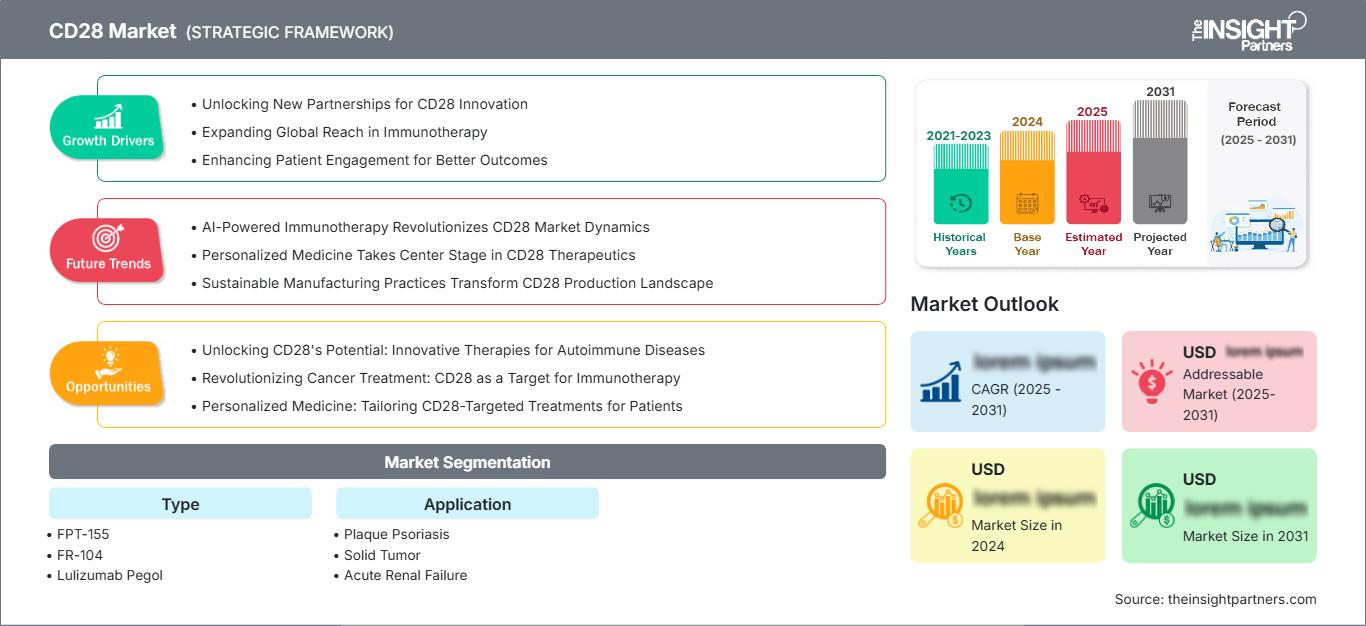
CD28 Market: Strategic Insights
Regional Insights
North America CD28 Market
North America had a CD28 Market share of 36–40% and is expected to have a CAGR of 7.6–8.4% from 2026 to 2034. Leadership is driven by focused biotechnology investment, clinical immunology research skills, state-of-the-art flow-cytometry technology, and biologics production infrastructure. Research hospitals and oncology centers continue purchasing activation antibodies, neutralizing antibodies, extracellular domain recombinants, and customized components for assays.
United States accounts for most of the regional demand. Transplantation, immunology, and cell therapy research in Canada is driven by network systems that have been established in universities. The suppliers leverage the advantage of direct procurement and early customer involvement, but compliance, reproducibility, and documentation make the entrance to the market difficult. The growth will benefit those suppliers providing discovery support services and research use products and the scientists who can prove the tumor restriction. Modulation of CD28-selective receptors in kidney transplants and solid tumors is an important source of scientific data, but the inconsistent clinical outcomes highlight the importance of the controlled activation and biomarker-based product development.
U.S. CD28 Market
North America is expected to constitute around 82%–86% of the regional revenue in 2025 and is forecast to have a CAGR of 7.8%–8.6% during 2026-2034. End-users include biopharmaceutical companies, NIH-funded investigators, contract labs, and academic medical centers. The major players offering relevant capabilities in terms of clinical development or reagents are Bristol-Myers Squibb Company, Five Prime Therapeutics, Inc., GeneTex, Inc., Boster Biological Technology, and Aviva Systems Biology Corporation.
The application area of solid tumors is showing strong growth trends, as developers assess the combination of CD28 co-stimulation along with checkpoint inhibition and tumor-targeting T cell engagement. Renal transplantation is significant from a strategic perspective due to the possibility of providing alternatives to traditional immunosuppression through selective blockade, though clinical data has shown the inability to do so. In terms of product supply, there are antibodies that are available for activation, flow cytometry, immunoprecipitation, and tissue applications. Commercial differentiation is based on functional validation, low batch-to-batch variation, multispecies reactivity, and biomarker assay transfer.
Europe CD28 Market
Europe will be contributing 27-31% market shares in 2025 and will grow at a CAGR of 7.2-8.0% during 2026-2034. Germany is the key country due to the existence of immunology institutions, biologics engineering technology, and CD28 superagonist safety assessment experience. The UK is benefiting from translational oncology research alongside the capability of developing antibodies for functional reagents and outsourcing discovery services.
The French market is aided by biotechnology clusters and ProteoGenix SAS, which has antibody, recombinant proteins, and stable cell line technologies that can help discovery processes. Italy and Spain benefit from oncology academic institutions and research on autoimmune diseases. Europe has strict safety expectations in relation to past cytokine release issues associated with systemic CD28 activation. As a result, developers are focusing on low initial doses, better preclinical models, tumor-targeting, and signaling-dependent constructs. The clinical and regulatory expertise of Europe makes it suitable for agonists and antagonists, but fragmented procurement and reimbursement strategies in each country can delay the drug introduction into the market.
APAC CD28 Market
Asia Pacific accounted for 21–25% of market share in 2025 and is projected to grow at a CAGR of 8.8–9.8% over 2026–2034. China drives regional expansion through growing applications of antibody engineering, oncology trials, and local manufacturing. Japan brings in its experience of quality assurance in biologics, and South Korea offers research in cell therapy and combination immunotherapy.
India becomes important in terms of recombinant protein manufacturing and contract research, and Australia offers facilities for early clinical trials. Increased public investment into biotechnology, larger numbers of oncology trials, and localization of reagents of high value should help increase accessibility in the region.
Middle East & Africa CD28 Market
The Middle East & Africa region is forecasted to register growth at a CAGR of 6.4-7.2% for 2026-2034. The Middle East & Africa segment is driven by investments in hospital infrastructure, genomics initiatives, and research facilities by Saudi Arabia and specialized healthcare & biotech partnerships in UAE, along with laboratory facilities in South Africa.
Growth in the Rest of MEA region will be restrained by reliance on imported reagents, cold chain expenses, and lack of local biologics production capability. Energy-backed economy diversification and new research campuses can aid procurement, although near-term demand will be dominated by tertiary hospitals, universities, and foreign-backed oncology studies.
Segmentation Analysis
Type
The Type segment is projected to record a CAGR of 7.8–8.6% during 2026–2034. CD28 Market scope spans fusion proteins, selective antibody fragments, and pathway-blocking molecules with materially different risk-benefit profiles. Adoption depends on clinical stage, functional selectivity, manufacturing scalability, and evidence that receptor modulation remains dependent on appropriate antigen or T-cell receptor signaling.
- FPT-155: This CD80-Fc fusion protein occupies a strategically important solid-tumor position because its proposed mechanism combines CD28 costimulation with checkpoint-related interactions, although its Phase 1 program was terminated.
- FR-104: Selective CD28 antagonism supports autoimmune and transplantation research by seeking to block pathogenic costimulation while preserving CTLA-4-associated inhibitory signaling, creating differentiation from less selective pathway interventions.
- Lulizumab Pegol: This humanized CD28-targeting domain antibody has generated clinical evidence in autoimmune disease and kidney transplantation, making it important for evaluating selective blockade, combination regimens, and rejection-control strategies.
Application
The Application segment is projected to expand at a CAGR of 8.0–8.8% during 2026–2034. Demand reflects the different roles of CD28 signaling across inflammatory disease, antitumor immunity, and acute immune dysregulation. Solid tumors lead development activity, while plaque psoriasis and acute renal failure offer selective opportunities where controlled immune modulation may address treatment limitations.
- Plaque Psoriasis: Selective costimulation blockade could complement established biologics by targeting upstream T-cell activation, but adoption requires clear differentiation in efficacy, dosing convenience, durability, and infection risk.
- Solid Tumor: This application leads research demand because tumor-targeted CD28 agonism may reinforce checkpoint inhibitors or T-cell engagers while reducing systemic activation through antigen-dependent receptor clustering. Acute Renal Failure: Development interest centers on limiting excessive immune activation in sepsis-associated kidney injury, although clinical translation depends on rapid administration, patient stratification, and measurable organ-protection endpoints.
Opportunity Snapshot
| Application | Revenue Contribution (High/Medium/Low) | Trend Tag | Adoption Stage |
| Plaque Psoriasis | Medium | Selective Blockade | Emerging |
| Solid Tumor | High | Tumor Costimulation | Scaling |
| Acute Renal Failure | Low | Immune Modulation | Emerging |
CD28 Market Growth Drivers and Impact Analysis
Expansion of Tumor-Targeted T-Cell Costimulation
Tumor-targeted CD28 activation is creating development space beyond conventional checkpoint inhibition. Bispecific constructs can connect CD28 with tumor-associated antigens, concentrating costimulation within the tumor microenvironment and reducing CD3-independent activity. Preclinical research involving Nectin-4 and PSMA-directed constructs demonstrates how affinity tuning, antigen-density thresholds, and combination treatment may improve selectivity. This approach has practical market impact because it expands demand for recombinant CD28 proteins, functional antibodies, humanized models, potency assays, and cytokine-release testing. Developers able to link molecular geometry with safety evidence should attract partnership interest. However, investment decisions will remain sensitive to systemic immune activation, target heterogeneity, and the clinical performance of accompanying CD3 engagers or checkpoint inhibitors.
Growth in Functional Immunology Research Tools
Research laboratories require CD28 reagents for T-cell activation, flow cytometry, immunoprecipitation, immunohistochemistry, cell culture, and neutralization studies. This creates recurring demand beyond individual therapeutic pipelines and reduces dependence on successful drug approvals. GeneTex, Inc. offers CD28 antibodies validated across activation and analytical applications, while Boster Biological Technology supplies recombinant extracellular-domain protein for cell-culture work. ProteoGenix SAS provides anti-CD28 VHH and research-grade antibody products, supporting antibody discovery and comparative studies. Commercial impact is strongest for suppliers offering documented specificity, low-endotoxin material, multiple conjugation formats, and consistent lots. As laboratories adopt complex immune profiling and engineered cell models, performance evidence will carry greater purchasing weight than catalog availability alone.
Need for Selective Immune Modulation in Renal Care
Kidney transplantation and sepsis-associated acute kidney injury create demand for approaches that modulate harmful immune activation without eliminating protective immune functions. Lulizumab pegol studies have provided clinical evidence concerning selective CD28 blockade in calcineurin inhibitor-free transplantation regimens, while reltecimod development has examined CD28-related modulation in severe infection and acute kidney injury. Results have also highlighted substantial development risk, including rejection, neutropenia, and inconsistent efficacy. The corresponding market impact is a shift toward biomarker-based patient selection, combination optimization, and earlier immune-monitoring endpoints. Companies that integrate pharmacodynamic receptor occupancy, cytokine panels, renal-function measures, and mechanistic safety testing should be better positioned to determine whether selective blockade provides sufficient differentiation from established immunosuppressive care.
CD28 Market Future Trends
Conditionally Active and Multispecific Antibody Architectures
CD28 Market trends will increasingly favor molecules activated by tumor-associated conditions, antigen density, or simultaneous receptor engagement. Developers are evaluating bispecific and trispecific architectures intended to supply costimulation only after a primary T-cell signal is present. Affinity optimization, lateral epitope selection, pH-sensitive binding, and restricted receptor clustering could reduce the systemic cytokine-release risk associated with earlier agonists. These formats will require sophisticated functional screening, humanized safety models, and comparative cytokine assays. Commercial differentiation should therefore move from simple target binding toward proof that molecular architecture controls the location, duration, and intensity of CD28 signaling.
Integrated Biomarker and Potency Testing
Future development programs will combine receptor occupancy, antigen expression, T-cell phenotype, cytokine release, and tissue-specific pharmacology in unified evidence packages. Static binding assays alone cannot establish whether a candidate produces controlled costimulation or clinically undesirable systemic activation. Regulators and partners are likely to expect potency methods that reflect mechanism, including assays dependent on concurrent T-cell receptor engagement. Digital pathology and multiparameter flow cytometry may help identify responsive immune environments, while standardized recombinant proteins and engineered cell lines can improve comparability. This trend creates opportunities for reagent suppliers, contract laboratories, and therapeutic developers capable of supporting assay transfer from discovery through clinical manufacturing.
CD28 Market Opportunities
Partnerships for Tumor-Restricted Costimulatory Platforms
Investment opportunities are strongest where antibody-engineering platforms can demonstrate tumor restriction before expensive clinical development. CD28 Market Forecasts support partnerships linking specialist discovery companies with pharmaceutical organizations that possess checkpoint inhibitors, T-cell engagers, translational biomarkers, and global trial infrastructure. Actionable strategies include licensing antigen-specific CD28 arms, co-developing trispecific constructs, and establishing milestone-based options after humanized-model validation. Partners should prioritize targets with high tumor expression and limited healthy-tissue distribution. Early packages must include cytokine-release comparisons, antigen-density thresholds, and combination evidence. Such structures can distribute technical risk while preserving downstream value if context-dependent costimulation delivers stronger response durability than existing immunotherapy combinations.
Validated Reagent Bundles for Translational Laboratories
Suppliers can build higher-value offerings by combining CD28 antibodies, recombinant proteins, activation controls, conjugates, and protocol-specific validation into application bundles. Translational laboratories often purchase these components separately, increasing qualification time and lot-to-lot uncertainty. GeneTex, Inc., Boster Biological Technology, Aviva Systems Biology Corporation, Biobyt Ltd., and ProteoGenix SAS can differentiate through matched reagent systems for flow cytometry, cell activation, immunohistochemistry, and neutralization. Commercial investment should emphasize low-endotoxin production, multispecies panels, downloadable validation data, and custom conjugation. Bundling technical support with reproducibility guarantees would improve laboratory adoption and create recurring revenue without assuming the binary risk associated with therapeutic approval.
Recent Developments
- July 2026: Bristol-Myers Squibb Company was associated with the publication of CTOT-24 results evaluating lulizumab pegol with interleukin-6 receptor blockade in kidney transplant recipients. Three of eight treated participants completed the regimen without rejection, while five discontinued early, providing clinically relevant evidence for refining selective CD28 blockade strategies.
- September 2025: Five Prime Therapeutics, Inc. remained the originator of FPT-155 as new peer-reviewed research evaluated engineered soluble CD80 fusion proteins and anti-angiogenic combinations. The work reinforced scientific interest in leveraging CD80-CD28 costimulation to improve T-cell activation and tumor immune-cell infiltration, despite discontinuation of the original FPT-155 clinical program.
- April 2025: ProteoGenix SAS expanded the accessible research toolkit around CD28 through commercially available anti-human CD28 VHH and research-grade antibody products. These reagents support binding assessment, antibody comparison, and early discovery workflows, reflecting increasing demand for specialized formats suitable for developing multispecific and costimulatory antibody architectures.
Frequently Asked Questions

- Comprehensive Market Sizing and Forecast Analysis
- Detailed Segmentation Analysis
- In-Depth Market Dynamics Assessment
- Regional and Country-Level Insights
- Competitive Landscape and Company Benchmarking
- Strategic Business Intelligence
Recent Reports
Testimonials

The Insight Partners' SCADA System Market report is comprehensive, with valuable insights on current trends and future forecasts. The team was highly professional, responsive, and supportive throughout. We are very satisfied and highly recommend their services.
RAN KEDEM Partner, Reali Technologies LTDs
I requested a report on a very specific software market and the team produced the report in a few days. The information was very relevant and well presented. I then requested some changes and additions to the report. The team was again very responsive and I got the final report in less than a week.
JEAN-HERVE JENN Chairman, Future Analytica
We worked with The Insight Partners for an important market study and forecast. They gave us clear insights into opportunities and risks, which helped shape our plans. Their research was easy to use and based on solid data. It helped us make smart, confident decisions. We highly recommend them.
PIYUSH NAGPAL Sr. Vice President, High Beam Global
The Insight Partners delivered insightful, well-structured market research with strong domain expertise. Their team was professional and responsive throughout. The user-friendly website made accessing industry reports seamless. We highly recommend them for reliable, high-quality research services
YUKIHIKO ADACHI CEO, Deep Blue, LLC.
This is the first time I have purchased a market report from The Insight Partners.While I was unsure at first, I visited their web site and felt more comfortable to take the risk and purchase a market report.I am completely satisfied with the quality of the report and customer service. I had several questions and comments with the initial report, but after a couple of dialogs over email with their analyst I believe I have a report that I can use as input to our strategic planning process.Thank you so much for taking the extra time and making this a positive experience.I will definitely recommend your service to others and you will be my first call when we need further market data.
JOHN SUZUKI President and Chief Executive Officer, Board Director, BK Technologies
I wish to appreciate your support and the professionalism you displayed in the course of attending to my request for information regarding to infectious disease IVD market in Nigeria. I appreciate your patience, your guidance, and the fact that you were willing to offer a discount, which eventually made it possible for us to close a deal. I look forward to engaging The Insight Partners in the future, all thanks to the impression you have created in me as a result of this first encounter.
DR CHIJIOKE ONYIA MANAGING DIRECTOR, PineCrest Healthcare Ltd.Reason to Buy
- Informed Decision-Making
- Understanding Market Dynamics
- Competitive Analysis
- Identifying Emerging Markets
- Customer Insights
- Market Forecasts
- Risk Mitigation
- Boosting Operational Efficiency
- Strategic Planning
- Investment Justification
- Tracking Industry Innovations
- Aligning with Regulatory Trends





 Get Free Sample for