
Digital Diabetes Management Market Share, Growth & Demand by 2034
Coverage: by Product & Service (Devices, and Software & Services), Type (Wearable Devices and Handheld Devices), End User (Home Care, Hospitals & Specialty Diabetes Clinics, and Academic & Research Institutes), and Geography (North America, Europe, Asia Pacific, and South and Central America)
- Status : Data Released
- Report Code : TIPRE00003092
- Category : Life Sciences
- No. of Pages : 150
- Available Report Formats :


- Last update date : July 08, 2026


2025 Market Size
US$ 15.28 Bn
Base year value
2034 Forecast
US$ 30.95 Bn
Projected by 2034
CAGR 2026-2034
8.16 %
Growth rate
Addressable Market
US$ 207.76 Bn
(2026-2034)
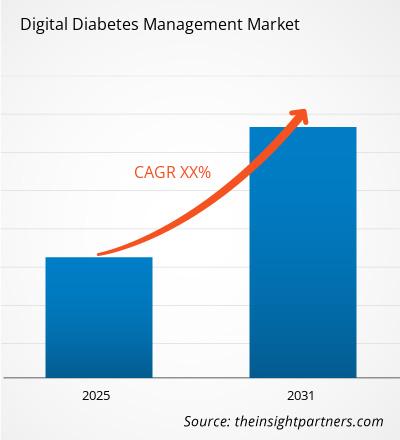
The Digital Diabetes Management Market is advancing as healthcare systems increasingly adopt connected technologies to improve glycemic control, patient engagement, and long-term disease monitoring. The market is estimated at approximately US$ 15.28 billion in 2025 and is projected to reach nearly US$ 30.95 billion by 2034, reflecting a sustained expansion trajectory at a CAGR of around 8.16% during 2026–2034. Rising utilization of continuous glucose monitoring platforms, cloud-connected insulin delivery systems, and digital therapeutic applications continues to reshape diabetes care delivery globally.
North America remains a pivotal revenue-generating region within the Digital Diabetes Management Market, supported by broad reimbursement coverage, high penetration of wearable monitoring technologies, and strong digital health infrastructure. The regional market is anticipated to expand at an estimated CAGR of 7.8% through 2034, driven by increasing prevalence of diabetes, greater adoption of remote patient monitoring programs, and growing integration of artificial intelligence into diabetes decision-support platforms.
Digital Diabetes Management Market Assessment and Insights
- North America: North America accounted for 37–40% of the digital diabetes management market share in 2025 and is anticipated to expand at a CAGR of 7.8–8.4% during 2026–2034. Advanced healthcare digitization, favorable reimbursement policies, and widespread adoption of continuous glucose monitoring technologies continue to support regional market growth.
- U.S.: The U.S. represented 78–82% of the North American digital diabetes management market size in 2025 and is projected to register a CAGR of 7.9–8.5% during 2026–2034, driven by increasing adoption of connected diabetes care solutions, remote patient monitoring, and digital disease management platforms.
- Europe: Europe held 27–30% of the digital diabetes management market share in 2025 and is expected to grow at a CAGR of 7.4–8.0% during 2026–2034. Germany, the United Kingdom, and France remain leading markets, supported by expanding adoption of digital therapeutics, diabetes screening initiatives, and advanced healthcare technologies.
- Asia Pacific: Asia Pacific accounted for 22–25% of the market share in 2025 and is forecast to expand at a CAGR of 9.3–10.1% during 2026–2034. China, India, Japan, and South Korea continue to lead regional demand, driven by the rising prevalence of diabetes, increasing smartphone penetration, and ongoing healthcare modernization.
- Largest Segment: Devices represented the largest digital diabetes management market segment and is expected to record a CAGR of 7.7–8.4% during 2026–2034, reflecting the growing adoption of continuous glucose monitoring systems and connected insulin delivery technologies.
- High Growth Segment: Software & Services is projected to grow at a CAGR of 9.2–10.0% during 2026–2034, driven by increasing demand for predictive analytics, telehealth integration, and personalized diabetes management platforms.
- Key Driver: Growing demand for real-time glucose monitoring and remote patient engagement tools continues to accelerate the adoption of digital diabetes management solutions across healthcare settings.
- Key companies analyzed in detail: Medtronic plc; F. Hoffmann-La Roche AG; Glooko, Inc.; Omada Health, Inc.; B. Braun Melsungen AG; Abbott Laboratories; Insulet Corporation; Tandem Diabetes Care, Inc.; Ascensia Diabetes Care Holdings AG; Smart Meter, LLC.
Source: The Insight Partners' analysis based on proprietary research, government publications, company annual reports, investor presentations, industry databases, and expert interviews.
The Digital Diabetes Management Market report has progressed beyond basic glucose tracking toward comprehensive digital care ecosystems combining sensors, mobile applications, cloud analytics, and remote clinical oversight. Advancements in continuous glucose monitoring technologies and automated insulin delivery systems have improved patient adherence and enabled more personalized diabetes management strategies.
Digital diabetes management market expansion is expected to be supported by stronger interoperability between devices, software platforms, and healthcare providers. Industry participants are increasingly focusing on predictive analytics, real-time decision support, and integrated care models that connect patients, clinicians, and caregivers through unified digital environments capable of improving outcomes while reducing healthcare utilization costs.
Digital Diabetes Management Market Report Scope
| Report Attribute | Details |
|---|---|
| Market size in 2025 | US$ 15.28 Billion |
| Market Size by 2034 | US$ 30.95 Billion |
| Global CAGR (2026 - 2034) | 8.16% |
| Historical Data | 2021-2024 |
| Forecast period | 2026-2034 |
Digital Diabetes Management Market Analysis
Growing diabetes prevalence across both developed and emerging economies remains a primary catalyst for market expansion. Digital management platforms enable continuous monitoring, personalized treatment recommendations, and early intervention, helping healthcare providers address challenges associated with long-term disease management. Increasing smartphone penetration and connectivity infrastructure further support the adoption of digital diabetes solutions.
The value chain encompasses sensor manufacturers, insulin delivery device providers, software developers, cloud analytics vendors, healthcare providers, and payers. Integration across these stakeholders has become increasingly important as healthcare systems seek seamless data sharing and actionable insights capable of improving treatment outcomes and reducing complications associated with poorly managed diabetes.
Competition within the Digital Diabetes Management Market is characterized by technological innovation, ecosystem development, and strategic partnerships. Companies including Medtronic, Abbott, F. Hoffmann-La Roche Ltd, Insulet Corporation, Tandem Diabetes Care, Ascensia Diabetes Care Holdings AG, Glooko, Inc., Omada Health, Inc., B. Braun Melsungen AG, and Smart Meter LLC are strengthening their market positions through product enhancements and digital platform expansion.
Investment activity is increasingly concentrated around artificial intelligence, predictive glucose analytics, remote monitoring services, and cloud-based disease management platforms. Companies capable of offering integrated solutions that combine hardware, software, and clinical support services are expected to achieve stronger competitive differentiation as healthcare providers seek comprehensive digital care pathways.
● REPORT CUSTOMIZATION
Tailor This Report To Align With Your Specific Business Requirements
This report can be customized to align precisely with your business objectives, scope, and target markets. Customization options include tailored segmentation, geography, competitive analysis, and strategic insights to support informed decision-making.
Customize This Report →WHAT YOU CAN ADJUST
- ● Segmentations
- ● Geography
- ● Competitive Analysis
- ● Language Preferences
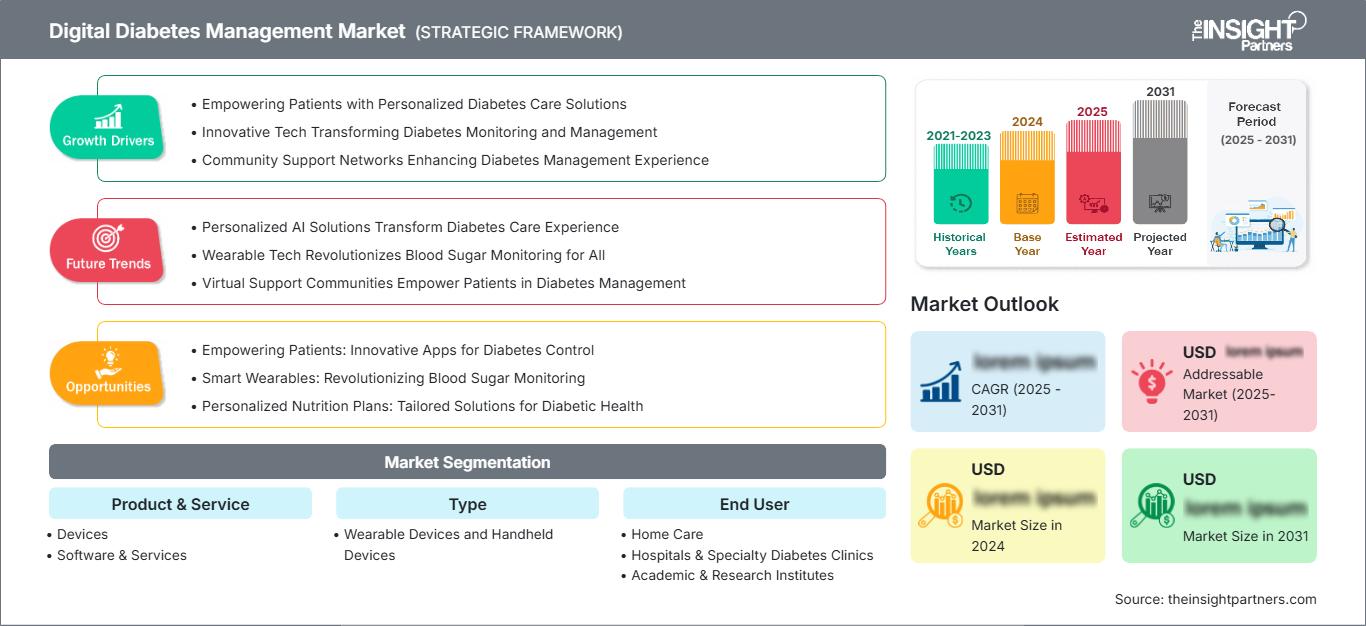
Digital Diabetes Management Market: Strategic Insights
Regional Insights
North America Digital Diabetes Management Market
North America accounts for the largest share of the Digital Diabetes Management Market and is projected to record a CAGR of approximately 7.8% through the forecast period. The region benefits from advanced healthcare infrastructure, strong reimbursement frameworks, and widespread adoption of connected medical devices. Continuous glucose monitoring systems and integrated insulin pumps have become increasingly common among both Type 1 and Type 2 diabetes populations.
Growing emphasis on value-based care and remote patient monitoring continues to support market development. Healthcare providers are increasingly utilizing digital tools to reduce hospital admissions, improve patient compliance, and facilitate data-driven treatment decisions. The presence of leading technology innovators and digital health companies further strengthens regional competitiveness.
U.S. Digital Diabetes Management Market
The U.S. represents the dominant country-level market, accounting for an estimated 75–80% of North American revenue. The market is expected to expand at a CAGR of nearly 7.7% through 2034, supported by strong adoption of wearable monitoring technologies, telehealth integration, and increasing utilization of automated insulin delivery systems.
Major industry participants, including Medtronic, Abbott, Tandem Diabetes Care, Insulet Corporation, and Glooko, maintain significant operations within the country. Demand is expanding across home-based diabetes management, virtual care programs, and population health initiatives. Employers, insurers, and healthcare providers are increasingly investing in digital diabetes programs that emphasize preventive intervention and continuous patient engagement.
Europe Digital Diabetes Management Market
Europe contributes an estimated 26–30% share of global Digital Diabetes Management Market revenue and is anticipated to grow at a CAGR of approximately 7.5% through 2034. The region benefits from established healthcare systems, rising diabetes awareness, and growing acceptance of connected medical technologies. Germany remains the leading country market owing to its strong healthcare spending and digital health adoption.
The UK continues to expand the adoption of remote monitoring platforms and digital diabetes pathways through public healthcare initiatives. Increased integration of mobile health applications and data-driven disease management programs is improving patient accessibility and supporting broader digital transformation within chronic disease care.
Germany leads regional revenue generation, supported by favorable reimbursement policies and strong utilization of continuous glucose monitoring devices. Healthcare providers are increasingly adopting digital tools that enable proactive intervention, contributing to improved treatment adherence and more efficient disease management.
France, Italy, and Spain are experiencing steady growth as healthcare systems accelerate digitalization efforts. Expanded telemedicine services, growing use of connected wearables, and rising investments in preventive healthcare programs are creating favorable conditions for long-term market expansion across Southern Europe.
APAC Digital Diabetes Management Market
Asia-Pacific is projected to be the fastest-growing regional digital diabetes management market, advancing at an estimated CAGR of 9.8% through 2034 while accounting for approximately 22–26% of global revenue. Rising diabetes prevalence, expanding healthcare access, and growing digital infrastructure are creating substantial opportunities across the region. China currently represents the leading country market.
China reaps benefits from mass screening campaigns for diabetes, increased digitization of the healthcare sector, and widespread use of connected health technologies. Digital healthcare transformation is facilitated by government initiatives that promote the greater use of remote monitoring systems and mobile health apps.
Japan and South Korea continue to invest in high-tech healthcare solutions, such as wearable monitoring devices and AI-powered disease management systems. The development of an extensive healthcare infrastructure and aging populations facilitates growth in demand for remote monitoring and care.
Digital diabetes management solutions are becoming increasingly popular in India and Australia amid growing disease prevalence rates and flourishing telehealth markets. Mobile health apps, affordable monitoring systems, and public health programs will drive market penetration during the forecast period.
Middle East & Africa Digital Diabetes Management Market
The Middle East & Africa Digital Diabetes Management Market is expected to grow at a CAGR of approximately 8.4% through 2034. Expanding healthcare infrastructure, increasing prevalence of lifestyle-related diseases, and greater investment in digital health technologies are contributing to market development. Saudi Arabia currently leads regional adoption.
Saudi Arabia is still making substantial investments to improve and develop its healthcare through modernization and digitization. The implementation of remote monitoring technologies in the treatment of chronic diseases is helping to drive the adoption of digital diabetes devices in both clinical and home settings.
The UAE is becoming an important innovation hub for digital health deployment, while South Africa is witnessing the slow adoption of connected health technologies. Within the larger MEA region, improved access to healthcare, investments towards digitalization, and awareness of diabetes management will help the market grow.
Segmentation Analysis
Product & Service
- Devices: Devices represent the largest revenue-generating category due to widespread adoption of continuous glucose monitors, insulin pumps, smart pens, and connected monitoring systems that enable real-time data collection and treatment optimization.
- Software & Services: Software and services are gaining importance as healthcare providers increasingly rely on analytics platforms, cloud-based patient management tools, telehealth support, and personalized coaching programs for ongoing diabetes care.
Type
- Wearable Devices: Wearable devices dominate adoption due to their ability to provide continuous glucose insights, automated alerts, improved patient convenience, and integration with digital health ecosystems supporting proactive disease management.
- Handheld Devices: Handheld devices remain relevant in settings requiring portable monitoring solutions, offering flexibility for patients while serving as complementary tools within broader digital diabetes management strategies.
End User
- Home Care: Home care represents a rapidly expanding segment as patients increasingly utilize connected monitoring technologies, mobile applications, and virtual consultations to manage diabetes outside traditional healthcare facilities.
- Hospitals & Specialty Diabetes Clinics: Hospitals and specialty diabetes clinics maintain significant demand for advanced digital platforms supporting clinical decision-making, patient monitoring, treatment optimization, and long-term disease management programs.
- Academic & Research Institutes: Academic and research institutes utilize digital diabetes technologies for clinical studies, algorithm development, data analysis, and evaluation of emerging therapeutic and monitoring approaches.
Opportunity Snapshot
| End User | Revenue Contribution | Trend Tag | Adoption Stage |
| Home Care | High | Remote Care | Scaling |
| Hospitals & Specialty Diabetes Clinics | High | Clinical Analytics | Mature |
| Academic & Research Institutes | Medium | AI Research | Emerging |
Digital Diabetes Management Market Growth Drivers and Impact Analysis
Expansion of Continuous Glucose Monitoring Adoption
Continuous glucose monitoring has evolved into a foundational component of digital diabetes management. Improvements in sensor accuracy, wear duration, patient comfort, and connectivity have expanded adoption among both Type 1 and Type 2 diabetes populations. The technology enables continuous visibility into glucose fluctuations, supporting more informed treatment decisions and better disease management outcomes.
This digital diabetes management market influence goes beyond just device sales. Continuous monitoring generates large volumes of patient data, which can be incorporated into digital platforms and analytical processes. It enables the delivery of personalized healthcare, predictive measures, and better patient engagement. Increased reimbursement coverage and greater affordability of the devices are expected to contribute to their future growth.
Growth of Remote Patient Monitoring Ecosystems
Healthcare systems increasingly view remote monitoring as an effective means of managing chronic diseases outside traditional care settings. Digital diabetes management solutions enable clinicians to track patient status remotely, identify potential complications early, and intervene before conditions worsen.
This improvement, with fewer hospital trips and greater adherence, is clearly an important cost advantage for medical institutions and payers. The use of remote monitoring supports population health programs and increases access in underserved areas. With the worldwide advancement of telehealth technology, the demand for digital diabetes management systems that offer continuous remote engagement will grow.
Artificial Intelligence Integration in Diabetes Care
AI is revolutionizing the treatment of diabetes through predictive analytics, automated recommendations, and personalized therapies. AI-powered algorithms can spot patterns in a patient's glucose data, predict hypoglycemia, and provide meaningful information to the patient and clinician.
This leads to improved clinical decision-making processes and lowered burden of cognitive work associated with self-management of diabetes. AI is also useful in designing innovative automated insulin administration systems that adjust therapy based on the patient's physiology. With increased algorithmic efficiency and regulatory approval, AI integration is expected to significantly influence market growth and competitive differentiation.
Digital Diabetes Management Market Future Trends
Convergence of Automated Insulin Delivery and Digital Analytics
Future diabetes management platforms are evolving into integrated ecosystems, reflecting key digital diabetes management market trends through continuous glucose monitoring, insulin delivery devices, and predictive analytics. These technologies will function as unified systems that automate treatment decisions, enhance care coordination, and improve long-term glycemic outcomes.
The development of closed-loop and hybrid closed-loop technologies using advanced algorithms to improve insulin delivery is currently attracting considerable attention. Future technologies will make use of broader physiological information, such as physical activity and diet. This integration will help ensure more precise delivery and convenience for patients, and facilitate broader adoption across diverse patient populations and healthcare settings.
Expansion of Personalized Digital Therapeutics
Digital therapeutics are expected to become increasingly sophisticated, combining behavioral science, artificial intelligence, and real-time monitoring data to support individualized disease management. These solutions will extend beyond tracking and reporting functions toward active intervention and coaching capabilities.
Future platforms may provide dynamic recommendations based on lifestyle, previous treatments, and clinical objectives. Connecting with healthcare provider networks will enable better care pathways and long-term patient engagement. Given that evidence on the effectiveness of digital therapeutics is growing, adoption is likely to increase further within healthcare organizations seeking solutions for chronic diseases.
Digital Diabetes Management Market Opportunities
Expansion Across Emerging Healthcare Markets
Significant opportunities exist for diabetes management technology providers across emerging economies. Rapid urbanization, increasing diabetes prevalence, expanding internet connectivity, and advancing healthcare infrastructure support wider adoption. Ongoing healthcare digitalization for remote monitoring and chronic disease management is expected to strengthen the digital diabetes management market forecast over the coming years.
Providers of affordable technology suitable for the local healthcare system can gain a large market share. Collaboration with healthcare organizations, insurers, and the government can help overcome affordability issues. Successful long-term investment in emerging markets can be highly profitable as the global digitalization of healthcare accelerates.
Development of Data-Driven Population Health Solutions
In addition, healthcare facilities are seeking population-level information to improve outcomes and reduce costs. It is possible to create large sets of useful information by employing digital solutions for diabetes management.
Facilities that can convert their patient information into useful knowledge about population health can earn additional revenue and become more competitive. Some of the possibilities include analytics services, clinical decision support platforms, and integrated care management solutions. With increased focus on preventive care and value-based reimbursement, demand for scalable data-driven diabetes management capabilities is expected to increase substantially.
Recent Developments
- August, 2025: Abbott launched the FreeStyle Libre® 2 Plus sensor in India, providing automatic glucose readings every minute and optional alarms delivered directly to smartphones. The launch strengthens Abbott’s digital diabetes portfolio and broadens access to advanced continuous glucose monitoring technology.
- April, 2025: Medtronic plc received U.S. FDA approval for its Simplera Sync™ sensor for use with the MiniMed™ 780G insulin delivery system. The approval expands sensor options within Medtronic’s automated insulin delivery ecosystem and supports more streamlined continuous glucose monitoring through a simplified insertion process.
- September, 2025: Roche shared real-world evidence from the rollout of the Accu-Chek SmartGuide continuous glucose monitoring (CGM) solution at the European Association for the Study of Diabetes (EASD) annual meeting today, and announced its integration with the mySugr diabetes management app, providing many more people with diabetes access to an AI-enabled predictive solution for the first time.
Frequently Asked Questions

- Comprehensive Market Sizing and Forecast Analysis
- Detailed Segmentation Analysis
- In-Depth Market Dynamics Assessment
- Regional and Country-Level Insights
- Competitive Landscape and Company Benchmarking
- Strategic Business Intelligence
Recent Reports
Testimonials

The Insight Partners' SCADA System Market report is comprehensive, with valuable insights on current trends and future forecasts. The team was highly professional, responsive, and supportive throughout. We are very satisfied and highly recommend their services.
RAN KEDEM Partner, Reali Technologies LTDs
I requested a report on a very specific software market and the team produced the report in a few days. The information was very relevant and well presented. I then requested some changes and additions to the report. The team was again very responsive and I got the final report in less than a week.
JEAN-HERVE JENN Chairman, Future Analytica
We worked with The Insight Partners for an important market study and forecast. They gave us clear insights into opportunities and risks, which helped shape our plans. Their research was easy to use and based on solid data. It helped us make smart, confident decisions. We highly recommend them.
PIYUSH NAGPAL Sr. Vice President, High Beam Global
The Insight Partners delivered insightful, well-structured market research with strong domain expertise. Their team was professional and responsive throughout. The user-friendly website made accessing industry reports seamless. We highly recommend them for reliable, high-quality research services
YUKIHIKO ADACHI CEO, Deep Blue, LLC.
This is the first time I have purchased a market report from The Insight Partners.While I was unsure at first, I visited their web site and felt more comfortable to take the risk and purchase a market report.I am completely satisfied with the quality of the report and customer service. I had several questions and comments with the initial report, but after a couple of dialogs over email with their analyst I believe I have a report that I can use as input to our strategic planning process.Thank you so much for taking the extra time and making this a positive experience.I will definitely recommend your service to others and you will be my first call when we need further market data.
JOHN SUZUKI President and Chief Executive Officer, Board Director, BK Technologies
I wish to appreciate your support and the professionalism you displayed in the course of attending to my request for information regarding to infectious disease IVD market in Nigeria. I appreciate your patience, your guidance, and the fact that you were willing to offer a discount, which eventually made it possible for us to close a deal. I look forward to engaging The Insight Partners in the future, all thanks to the impression you have created in me as a result of this first encounter.
DR CHIJIOKE ONYIA MANAGING DIRECTOR, PineCrest Healthcare Ltd.Reason to Buy
- Informed Decision-Making
- Understanding Market Dynamics
- Competitive Analysis
- Identifying Emerging Markets
- Customer Insights
- Market Forecasts
- Risk Mitigation
- Boosting Operational Efficiency
- Strategic Planning
- Investment Justification
- Tracking Industry Innovations
- Aligning with Regulatory Trends





 Get Free Sample for