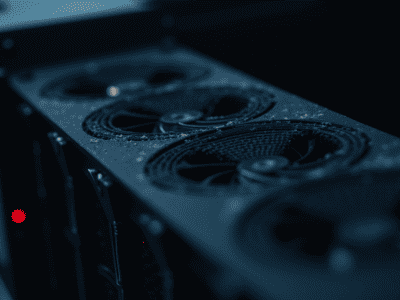
In a digital landscape where every AI-driven insight generates a pulse of heat, the cooling system has moved from a facility backdrop to the center of the strategic stage. Data Center Air Cooling is no longer just about blowing cold air; it is the vital science of thermal precision. As server racks become denser and more powerful, the ability to manage airflow effectively determines whether a facility thrives or faces the risk of critical downtime.
Imagine a high-performance data hall where every watt of energy is accounted for. Heat is removed with surgical precision. This guide examines the latest thermal strategies, ranging from free cooling and economization to regional cooling hubs. Learn how smart sensors prevent overcooling and why sustainable facilities direct air exactly where it’s needed.
Why Data Center Air Cooling Drives Real Business Outcomes
Every design choice made around Data Center Air Cooling sends ripples through a company’s financial and operational health. When airflow is efficient, it reduces the power needed to run massive fans, preserves safety margins for the hardware, and allows for much higher rack density. Essentially, when you manage air correctly, you can pack more computing power into the same physical square footage.
Industry leaders now recognize that inefficient cooling is more than just a waste of electricity; it is stranded capacity. If a server rack cannot stay cool, it cannot run at its full rated speed. By optimizing the cooling environment, operators can reclaim this lost potential. This leads to significantly better performance without the need to build expensive new wings or facilities. It is truly about making the most of the infrastructure you already own.
Anchor to One Trusted Playbook
Actionable measures for Data Center Air Cooling apply to both new builds and retrofits. Key strategies include air management, cooling system options, and benchmarking methods you can adopt without guesswork. Start with the basics of airflow, then tailor your approach to the local site climate and facility constraints.
A consistent playbook prevents quick fixes that might cause long-term harm. For example, simply turning up the AC to fix a hot spot is a common mistake. This often leads to overcooling and massive energy waste. Instead, the focus should remain on moving the right amount of air to the right place at the right time.
Airflow Management for Maximum Data Center Energy Efficiency
The most effective Data Center Air Cooling strategies begin with a very simple concept: stop the hot air from mixing with the cold air. This requires clean separation through containment and disciplined hygiene within the server racks. When hot and cold air stay in their own lanes, the fans do not have to work as hard, and the temperature at the server inlets remains stable.
Even older facilities can reclaim lost capacity by making small, physical changes. By sealing off leaks and ensuring air flows only where it is intended, operators can prepare their plants for smarter controls and higher efficiency.
Airflow Management Checklist:
- Align rows in hot-aisle and cold-aisle patterns.
- Install blanking panels to close open U-spaces.
- Seal cable cutouts and floor penetrations.
- Place perforated tiles only in cold aisles.
- Rebalance the system after any IT or HVAC change.
These steps cut waste and prepare your Data Center Air Cooling plant for higher setpoints and smarter controls.
Best Cooling Topologies for High-Density Data Centers
There are several ways to improve Data Center Air Cooling without starting from scratch. While traditional room-based cooling is common, many are now adding row-based or rack-based systems. These close-coupled options sit right next to the heat source. They are excellent for high-density zones because they shorten the path the air has to travel. This improves response times during sudden spikes in data processing.
You might consider these targeted options if your existing room units are struggling with modern, high-power racks or if you find hot spots that just won't go away with standard fixes. Right-sizing the cooling at the rack level reduces the wasteful recirculation of hot air.
When to consider alternatives:
- Rising rack densities stress your existing room units.
- Hot spots persist even after standard airflow fixes.
- Expansion space is limited, but your capacity must grow.
Right-sizing Data Center Air Cooling at the row or rack level reduces recirculation. It shortens air paths and improves the response time during sudden workload spikes.
Use Economization and Smarter Control to Slash Waste
Great Data Center Air Cooling strategies use free cooling when the weather allows. Using air-side or water-side economizers can significantly lower the need for mechanical refrigeration. With sensors and feedback control, facilities can trim fan speeds and prevent units from fighting each other.
Control Improvement Ideas:
- Deploy dense temperature sensing near server inlets.
- Coordinate setpoints across multiple units with shared logic.
- Implement alarms for rapid temperature drift or air mixing.
Smart orchestration helps Data Center Air Cooling hold target conditions with less energy. It also reduces the need for emergency human interventions during a heatwave.
Benchmark What Matters, Then Iterate
You cannot improve what you do not track. Monitoring efficiency through standard metrics reveals where air is being wasted. Many operators now use thermal maps and wireless sensors to see exactly how heat moves through the room. This allows them to place floor tiles and fix leaks with scientific precision.
Essential Progress Indicators:
- Tracking energy efficiency trends across different months and seasons.
- Mapping the temperature at the front of every single rack to ensure uniformity.
- Measuring how much fan power is used for every unit of computing load.
- Performing regular checks on containment seals after any equipment is moved.
Small, verified improvements in Data Center Air Cooling compound over time. They support higher IT utilization and lower your total cost of ownership.
Retrofit Roadmap for Legacy Rooms
Most facilities cannot simply turn off the power for a major rebuild. Instead, a phased approach is the best path forward. This starts with stabilizing the airflow using simple panels and seals. Once the air is under control, the next step is containing the aisles and gradually raising the supply temperatures to save energy.
The final phases involve adding smart sensors for better coordination and perhaps adding specialized cooling units only in the densest rows. Each step makes the Data Center Air Cooling system stronger and allows a company to confirm the results before spending more capital.
Final Perspective
As we move into a future dominated by artificial intelligence, the intensity of our computing will only grow. While new liquid-based technologies are on the horizon, a robust air-cooling foundation remains essential for the vast majority of facilities. By focusing on containment, smart controls, and using the natural environment, leaders can protect their digital assets while keeping their bottom line healthy. It is a journey of constant refinement, ensuring that as our digital world expands, our infrastructure remains cool, calm, and collected.
.png)
.png)
.png)
.png)
.png)
.png)
.png)
.png)