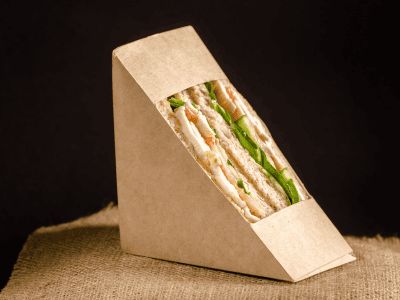
Corporate dining is having a plot twist. For decades, cafeterias served as predictable spaces with metal trays, warm buffets, and queues that moved at the pace of a sleepy sloth. However, work patterns changed. People now run between calls, commute less often, and demand speed with a side of freshness. Therefore, corporate cafeterias needed an upgrade. Enter Corporate Cafeterias 2.0, where packaged sandwiches are not supporting characters but the stars.
In this new era, Workplace meal solutions balance convenience, nutrition, and consistency. They rely on vending, micromarkets, smart fridges, and AI-driven stocking. They also stretch across offices, airports, campuses, and hospitals. As expectations grow, packaged sandwich brands step forward with dependable quality and surprising creativity.
Let’s unwrap the story—pun fully intended.
Why Packaged Sandwiches Fit Corporate Cafeterias 2.0
Traditional cafeterias struggle with hybrid schedules. One day, the office feels like a festival. The next day, it resembles a ghost town. Buffets waste food on low?footfall days. Meanwhile, people want quick lunch options during short breaks. Packaged sandwiches solve both problems elegantly. They keep quality intact through thoughtful packaging. They reduce labor because they need no on-site prep. They also scale across locations with minimal operational fuss. As a result, they fit beautifully into modern Workplace meal solutions, which favor reliability and speed.
Additionally, packaged sandwiches support dietary clarity. Labels show allergens, macros, and ingredients. Busy employees appreciate such transparency because it helps them choose faster and eat smarter.
Offices: Where Convenience Meets Culture
Corporate offices have embraced grab-and-go formats to handle unpredictable attendance. Smart fridges, micromarkets, and connected vending machines now sit next to coffee bars and communal spaces. Packaged sandwiches have become staples because they reduce lunchtime chaos.
Moreover, offices want offerings that match their culture. Tech hubs prefer global fusion. Consulting firms seek high-protein builds. Design houses love colorful plant-forward options. Packaged sandwich brands can tailor menus to these tastes without disrupting production. Consequently, companies offer Workplace meal solutions that feel more curated than cafeteria classics. Meeting days need fast catering. Sandwich trays deliver speed without compromising quality. Teams appreciate consistency. Facilities teams appreciate simplicity. Everyone wins.
Airports: The True Testing Ground for Speed and Safety
Airports expose food to the toughest environment imaginable. Travelers rush. Lines stretch. Security demands strict hygiene. Time feels elastic. Despite these challenges, packaged sandwiches thrive. They work because they offer predictable quality and safety. Labels meet global standards. Packages remain sealed. Flavors stay stable across long display periods. Moreover, airports use advanced vending and micromarket models. These formats support cashless checkout and dynamic stocking.
Travelers get quick comfort food. Airport staff get reliable meals during rotating shifts. Airlines also partner with packaged sandwich brands for lounges. Therefore, airports showcase Workplace meal solutions that handle high pressure gracefully. On top of that, global menus shine here. A sushi-inspired tuna sandwich coexists with a spicy paneer wrap. Local flavors mingle with international classics. Travelers feel at home, or at least, less stressed.
Campuses: More Variety, Less Chaos
University and training campuses want scale and variety. Students eat at inconsistent times. They want freshness, flavor, and clear labeling. Packaged sandwiches deliver all three. They also sit well in vending and micromarkets scattered across large campuses. Campuses rely on data to understand traffic patterns. Lecture halls surge at specific hours. Libraries create quiet peaks. Dorms see late-night spikes. AI-driven stocking adjusts inventory to match these rhythms. In turn, Workplace meal solutions feel responsive rather than generic.
Campus diners also want creative food. Global mashups keep excitement high. Local ingredients add familiarity. Diet-inclusive options build trust. Packaged sandwich brands adapt quickly because they can rotate flavors without redesigning entire kitchens.
Hospitals: Clean, Clear, and Always Available
Few environments need reliable food as much as hospitals. Staff work long and irregular hours. Visitors arrive stressed and hungry. Patients require cleanly labeled options. Packaged sandwiches support all these needs with ease. They deliver food safety through sealed packaging. They offer transparency through consistent labeling. They also handle round-the-clock demand because they work well in vending and micromarket channels. Therefore, they strengthen Workplace meal solutions in high-stakes environments.
Hospitals also appreciate portion control. Nutrition teams rely on labeled ingredients to support wellness programs. Staff enjoy quick meals that do not interrupt demanding schedules. Packaged sandwiches keep energy steady without slowing operations.
The Rise of Smart Vending and Micromarkets
The most exciting part of Corporate Cafeterias 2.0 may be the machines. Modern vending is no longer a graveyard of forgotten chips. Today’s machines track temperature, inventory, selling patterns, and customer behavior. Smart fridges open with a tap and charge items automatically. Micromarkets blend retail charm with cafeteria convenience. Packaged sandwiches fit perfectly into this system because they have consistent shapes, predictable SKUs, and reliable branding. Their packaging scans effortlessly. They also stack well, which makes stocking easier. Consequently, operators create smooth Workplace meal solutions with minimal staffing.
The visual appeal matters too. A colorful line of fresh sandwiches behind glass signals quality. It tempts even people who did not plan to buy food.
How AI-Driven Stocking Transforms Foodservice
AI is the secret sauce behind Corporate Cafeterias 2.0. It predicts demand by analyzing weather patterns, historical sales, meeting schedules, and even building occupancy. This forecasting helps prevent stockouts and reduce waste. AI models can flag unusual patterns, such as increased foot traffic during training weeks. They adjust inventory accordingly. They also help decide which flavors to rotate. If a specific sandwich underperforms, operators swap it out quickly.
This intelligence strengthens Workplace meal solutions by matching supply to real demand. It also reduces environmental impact because forecast accuracy lowers waste. Companies meet sustainability goals while keeping employees happy.
Global Menu Innovation: Flavor Without Fuss
The packaged sandwich category has evolved beyond basic combinations. Today, chefs craft bold flavors that travel well. They use sturdy breads that resist moisture. They layer ingredients to maintain texture. They balance familiar notes with global trends. For example, katsu chicken sandwiches resonate in Asia and beyond. Mediterranean vegetable builds work in Europe and the Middle East. Chimichurri chicken sandwiches attract Latin American markets. Paneer tikka wraps shine across India and the UK. These creations adapt beautifully to Workplace meal solutions worldwide.
Limited-time specials add excitement without complicating operations. Seasonal ingredients create freshness. Local sourcing improves sustainability. Employees feel engaged because menus evolve thoughtfully.
The Sustainability Edge
Sustainability drives modern food decisions. Packaged sandwich brands respond with recyclable materials, compostable wraps, and reduced plastic. They also design efficient production systems that reduce energy use and ingredient waste. Smart stocking further cuts waste. When inventory aligns with demand, fewer items expire. Rotational menus rely on seasonal produce. Regional production reduces carbon footprints. As a result, companies strengthen sustainability while improving Workplace meal solutions.
Some brands even use QR codes that reveal sourcing details. Transparency grows trust. Employees appreciate seeing responsible choices.
Why Packaged Sandwich Brands Are Winning
Packaged sandwich brands succeed because they deliver consistency at scale without killing creativity. They give operators predictable costs. They simplify procurement. They integrate with smart systems. They support wellness. They also satisfy global palates with ease. Their real strength lies in adaptability. They work in offices, airports, hospitals, and campuses. They travel between vending machines and micromarkets without losing appeal. They also align with modern expectations around convenience and flavor. Most importantly, they anchor Workplace meal solutions that are future-ready. All these global flavors and innovations in sandwiches are leading to a significant growth in the market value.
Final Thoughts: The Future Belongs to Smart, Simple, and Satisfying Food
Corporate Cafeterias 2.0 blend technology, taste, and efficiency. Packaged sandwiches happen to be the perfect medium for this transformation. They meet fast-paced demands. They offer dependable quality. They support data-driven operations. They also delight people with modern flavors. As corporate dining evolves, packaged sandwich brands will not remain side players. They will continue driving innovation across formats, channels, and regions. And they will keep shaping Workplace meal solutions built for the future.