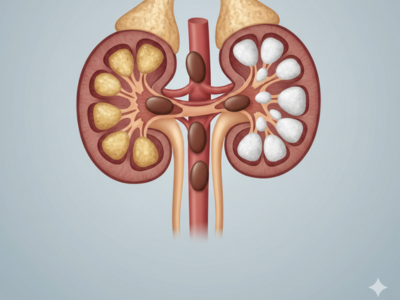
Kidney stones are solid mineral deposits that form inside the kidneys and affect people of all ages worldwide. These stones develop when minerals and salts crystallize in concentrated urine and gradually grow in size. As a result, kidney stones often cause intense pain, discomfort, and complications if people ignore them. Therefore, understanding kidney stones helps individuals manage symptoms early and prevent recurrence effectively.
Kidney stones usually form when urine contains excess stone-forming substances and insufficient fluids to dilute them properly. Consequently, crystals stick together and eventually become hard stones. Although some kidney stones pass without symptoms, many cause severe pain when they move through the urinary tract. Hence, awareness and timely action remain extremely important for kidney health.
What Are Kidney Stones?
Kidney stones are hard masses made of minerals and salts that originate in the kidneys. They can stay within the kidney or travel down the ureter toward the bladder. When kidney stones block urine flow, they cause sharp pain in the back, abdomen, or groin area. In addition, people may notice nausea, vomiting, or blood in the urine during episodes.
Kidney stones vary in size and shape, ranging from tiny grains to large, jagged structures. Smaller kidney stones often pass naturally, while larger ones may require medical intervention. Therefore, identifying stone type and size helps doctors choose appropriate treatment methods.
Types of Kidney Stones
Understanding different types of kidney stones helps guide treatment and long-term prevention strategies. Each type forms due to specific chemical imbalances or health conditions.
Calcium Kidney Stones
Calcium kidney stones are the most common type found in patients. They usually form as calcium oxalate stones, although calcium phosphate stones also occur. High oxalate intake, dehydration, and metabolic disorders contribute to these kidney stones. However, dietary calcium from food often helps reduce oxalate absorption instead of increasing risk.
Uric Acid Kidney Stones
Uric acid kidney stones form when urine becomes too acidic for extended periods. Diets rich in animal protein increase uric acid production in the body. Additionally, conditions like gout, obesity, and diabetes raise the risk of uric acid kidney stones. These stones do not appear on standard X-rays, which sometimes delays diagnosis.
Struvite Kidney Stones
Struvite kidney stones develop due to recurring urinary tract infections caused by specific bacteria. These bacteria alter urine chemistry, allowing stones to grow rapidly and become large. As a result, struvite kidney stones often require surgical removal. Women experience these kidney stones more frequently because they face higher infection rates.
Cystine Kidney Stones
Cystine kidney stones are rare and occur due to a genetic disorder called cystinuria. This condition causes excess cystine to leak into urine, forming stones repeatedly. People with cystine kidney stones often experience frequent recurrences throughout life. Therefore, lifelong management becomes essential.
Causes and Risk Factors
There are several risk factors for the development of kidney stones. Dehydration is the most common cause of kidney stones because of the high concentration of urine, which makes it easier for minerals to form crystals. Additionally, living in a hot climate, sweating a lot, and not drinking enough water are also major risk factors for kidney stones.
Diet is also a major factor in the development of kidney stones. A high salt diet leads to an increase in calcium in the urine, which makes kidney stones more likely. Additionally, a high intake of animal proteins leads to an increase in uric acid in the urine, which makes it harder for citrate to prevent the formation of kidney stones.
Family history is also a major factor in the development of kidney stones. If kidney stones run in the family, the risk of developing them is high. Additionally, conditions such as hyperparathyroidism and chronic kidney disease also lead to the development of kidney stones.
Symptoms of Kidney Stones
Symptoms vary depending on stone size and location within the urinary tract. Many people remain symptom-free until stones begin moving. When movement occurs, sharp pain develops suddenly and intensifies quickly.
Common symptoms include severe back or side pain, pain during urination, cloudy or foul-smelling urine, and frequent urges to urinate. Furthermore, nausea, vomiting, and fever may occur if an infection accompanies kidney stones. Therefore, medical attention becomes urgent when fever or persistent pain appears.
Diagnosis of Kidney Stones
The introduction of imaging technology, including high-resolution ultrasound and computerized tomography (CT) imaging, represents a major advance in the ability to detect kidney stones with higher resolution and allows for the early identification of kidney stones, which will enable individualized treatment plans and therefore more effective therapies. The resulting improved methods of care will create an increased need for management solutions.
Doctors diagnose kidney stones using imaging tests and laboratory analysis. Ultrasound and CT scans help locate stones and determine their size. Blood and urine tests identify mineral imbalances and infection signs. Sometimes, analyzing a passed kidney stone provides valuable information for future prevention.
Treatment Options for Kidney Stones
Treatment depends on kidney stone size, type, and symptom severity. Small kidney stones often pass naturally with increased fluid intake and pain management. Doctors usually recommend drinking plenty of water to flush stones out safely.
Medications assist in relaxing the muscles of the ureter, making it easier for kidney stones to pass. Pain medications ease the pain that occurs during the passage of kidney stones. In the case of uric acid stones, medications can help make the urine more alkaline and dissolve the stones slowly.
Large kidney stones require sophisticated medical interventions. Shock wave lithotripsy helps break down kidney stones into smaller pieces using sound waves. Ureteroscopy enables the direct removal or breaking down of kidney stones. In extreme cases, minimally invasive surgery can effectively remove large kidney stones.
Prevention of Kidney Stones
Preventing kidney stones focuses on lifestyle and dietary changes. Drinking enough water daily remains the most effective preventive measure. Adequate hydration keeps urine diluted and prevents mineral buildup.
Reducing sodium intake lowers calcium excretion in urine, decreasing stone risk. Limiting animal protein helps control uric acid levels and improves urine chemistry. Including fruits and vegetables increases citrate levels, which naturally prevent kidney stones.
Balanced calcium intake from food supports bone health and reduces oxalate absorption. However, people should consult doctors before taking calcium supplements. Avoiding excessive sugar, processed foods, and soft drinks further reduces kidney stone risk.
Final Thoughts
Kidney stones are painful but manageable with proper awareness and care. Understanding kidney stone types, causes, symptoms, and prevention empowers individuals to protect kidney health. By staying hydrated, maintaining a balanced diet, and seeking timely medical advice, people can significantly reduce kidney stone recurrence. Ultimately, proactive habits ensure long-term comfort and healthier kidneys.
.png)
.png)
.png)
.png)
.png)
.png)
.png)
.png)