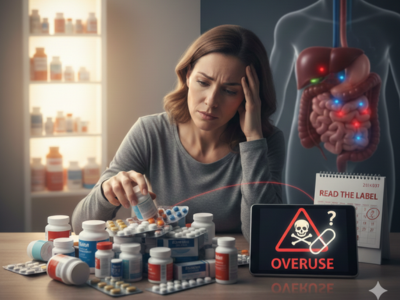
OTC medication plays a crucial role in modern healthcare by offering quick relief for everyday health concerns. People often rely on OTC medication for headaches, coughs, colds, allergies, acidity, and minor pains. Because these medicines are easily available, many individuals assume they are completely safe for frequent use. However, improper or excessive use of OTC medication can cause serious health complications over time. Therefore, understanding responsible usage becomes essential for long-term wellness and safety.
Understanding What OTC Medication Really Means
OTC medication refers to drugs sold without a doctor’s prescription for treating mild and short-term conditions. These medicines help manage symptoms efficiently when used according to label instructions. Moreover, they reduce unnecessary doctor visits for minor health problems. However, they are not designed to treat chronic illnesses or persistent symptoms.
Why People Depend on OTC Medications
Many people prefer OTC medication because it saves time, money, and effort compared to clinical consultations. Additionally, advertisements and familiarity increase trust in these products. Nevertheless, repeated self-medication without medical guidance can hide underlying health issues.
Common Risks Associated with Overusing OTC Medications
- Misconception of Complete Safety: Although OTC medication is regulated, it still contains active ingredients that affect the body. Excessive consumption can overload organs like the liver, kidneys, or stomach. For example, frequent use of pain relievers may lead to internal bleeding or organ damage. Therefore, ignoring dosage limits can quickly become dangerous.
- Drug Interactions and Hidden Ingredients: Many active ingredients in OTC medications are similar to each other, regardless of the brand. Taking too many medications at once can cause the body to experience an overdose. This is especially true when people do not read the labels carefully or take medications to get quick relief.
The increasing inclination toward self-medication, particularly for common conditions such as headaches, colds, and digestive discomfort, is a major factor driving the OTC drug market. Enhanced consumer awareness and easy accessibility have led more individuals to rely on OTC products, thereby supporting market expansion.
Behavioral and Physical Signs of OTC Medication Overuse
Dependence and Habit Formation
If you ever feel the need to consume OTC medication regularly, even when you are not experiencing any symptoms, it is a sign of possible misuse. Moreover, if you are finding it necessary to increase the dosage in order to experience the same results, it is a sign of tolerance development. These signs should never be overlooked.
Physical Warning Signals
Persistent fatigue, nausea, dizziness, headaches, or digestive issues may result from excessive OTC medication use. Furthermore, worsening symptoms after stopping the medicine can signal dependency or masked conditions. In these cases, medical advice becomes necessary.
When OTC Medication is no Longer Enough
- Symptoms That Do Not Improve: Over-the-counter medication is for short-term relief, not long-term care. When symptoms are not improving within a few days, further self-medication can cause delays in getting a proper diagnosis.
- Escalating Dosage Requirements: Needing higher doses of OTC medication to feel relief indicates reduced effectiveness. This situation often suggests the problem requires professional medical evaluation. Ignoring this sign can lead to severe complications.
The Importance of Reading Labels Carefully
- Understanding Dosage Instructions: Each OTC drug comes with unique information on how to take the drug. This information helps avoid overdosing and side effects. In addition, one should never ignore age guidelines.
- Identifying Active Ingredients: Checking active ingredients helps avoid combining similar medications unknowingly. For instance, taking two cold remedies with the same pain reliever increases toxicity risk. Thus, label awareness significantly improves medication safety.
Role of Healthcare Professionals in OTC Medication Use
- Consulting Doctors at the Right Time: Doctors assist in deciding whether it is the right time to take over-the-counter medication for your ailment. They can also help in detecting the underlying causes that may be masked by self-medication.
- Pharmacists as Trusted Advisors: Pharmacists are great resources for helping you choose which type of OTC medication to use and what other medications to avoid. They can recommend better options for medications or let you know when you need to get medical help. Pharmacists use their knowledge to encourage safe self-care practice.
Safe Practices for Responsible OTC Medication Use
Follow Duration Guidelines
OTC medication should only be used for the recommended duration. Extending usage without improvement signals a need for medical evaluation. Short-term relief should never replace professional diagnosis.
Keep Track of All Medications
Maintaining a list of all OTC medications, supplements, and prescriptions helps prevent interactions. Sharing this information with healthcare providers ensures safer treatment decisions.
Long-Term Consequences of Ignoring OTC Medication Misuse
Using OTC medications for extended periods may lead to lasting and irreversible damage to major organs. Furthermore, the prolonged use of OTC medications could develop chronic conditions requiring long-term and costly medical care. Preventing these types of damage is definitely a better option than treating them.
Relying excessively on OTC medication can mask symptoms of serious conditions. Consequently, delayed diagnosis reduces treatment effectiveness and recovery chances. Early medical intervention saves lives.
Conclusion: Using OTC Medication Wisely
OTC medication offers convenience and relief when used responsibly and correctly. However, overuse can lead to serious health risks and delayed medical care. Recognizing warning signs, following label instructions, and seeking professional advice when necessary are essential steps. By making informed decisions, you can benefit from OTC medication while protecting your long-term health and well-being.
.png)
.png)
.png)
.png)
.png)
.png)
.png)
.png)