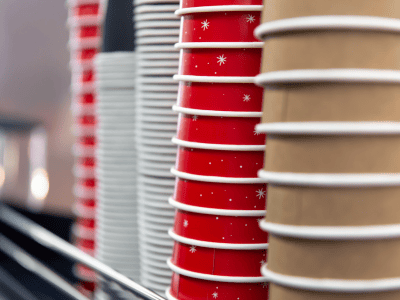
Plastic had a good run. Then regulations happened. Now, paper is having a moment. Governments are nudging industries away from plastic. Brands are scrambling to comply. Innovators are building better cups. Consequently, the global paper cups market is ready to surge. This shift is not just trendy. It is structural, regulatory, and frankly overdue.
In this post, we explore why policy matters. We track how new rules shape design choices. We highlight breakthroughs that make paper cups more circular. And yes, we assess the role of compostable cups in this global pivot.
The Regulatory Domino Effect
Laws do not invent innovation. However, they accelerate it. When governments limit single-use plastics, businesses move fast. Therefore, they rethink materials, coatings, and recycling paths. They also invest in greener supply chains. Across regions, regulation now acts like a market signal. The message is clear. Use less plastic. Reduce toxins. Improve end-of-life outcomes. Therefore, paper cups and compostable cups are gaining share. They meet compliance requirements. They also match evolving consumer values.
From Plastic Ban to Paper Plan
Bans do not work in isolation. Instead, they work alongside producer responsibility. Many countries now adopt packaging EPR policies. These policies shift waste costs upstream. Therefore, brands budget for collection and recycling. The math then favors alternatives that are easier to recover. Paper is already familiar to recyclers. Yet the problem was always the lining. Traditional PE linings block recycling streams. Consequently, innovators focused on coatings. They are replacing plastic with water-based or dispersion barriers. As a result, many paper cups are now recyclable at scale. Others can be composted where facilities exist. This progress boosts confidence in compostable cups.
The Rise of Better Barriers
Coatings are the heart of paper cup innovation. The right barrier must resist heat, grease, and moisture. It must also pass food safety standards. Previously, polyethylene did the job. However, it complicates recycling and composting. New solutions avoid that trade-off.
Today, water-based and polymer?dispersion barriers are advancing. Some are repulpable in standard mills. Others decompose in industrial composting. Manufacturers also develop PFAS-free chemistries. Therefore, cups meet stricter toxic rules. Moreover, these changes do not force compromises on performance. Hot drinks stay hot. Cold drinks keep their chill. Meanwhile, sustainability metrics improve. That helps both recyclable cups and compostable cups win acceptance.
Compostable Cups: Promise and Practicalities
Let's talk about compostable cups. They sound perfect. They also need context. Composability depends on conditions. Home composting differs from industrial composting. Many products require high heat and controlled humidity. Therefore, labeling clarity matters. Infrastructure also matters. Cities with robust organics programs see higher recovery. Conversely, regions without composting send compostable to landfills. That outcome limits environmental gains. Even so, compostable cups still reduce plastic dependence. They also reduce fossil inputs. With a growing organic collection, they will fit better.
Therefore, brands should match products to local systems. Some markets need recyclable barriers. Others can absorb compostable cups efficiently. A portfolio strategy makes sense globally.
Why the Market Is Set to Surge
Demand drivers align neatly. Regulations are tightening. Consumers prefer low-impact packaging. Retailers set sustainability targets. Foodservice chains want safer materials. Hence, the market for disposable cups is set to grow globally at a CAGR of 3.6%. Consequently, procurement teams seek paper solutions. They need proven functionality. They also need credible end-of-life options. This alignment benefits all innovative formats. Recyclable paper cups grow with better mills. Compostable cups grow as organic programs expand. Hybrid models emerge as well. For example, cups are designed for both recycling and composting under certain conditions. That flexibility supports adoption across regions.
Technology Trends Reshaping Cups
PFAS-Free Chemistry: Brands shift to fluorine-free barriers. Therefore, compliance improves, and risk falls.
Water-Based Coatings: These barriers support repulping. Mills accepts them more readily. That change boosts recyclability.
Bio-Based Polymers: Some linings use bio-based content. They support compostable cups under standards.
Digital Traceability: QR and watermarking help sorting. Consequently, recovery rates improve over time.
Design for Disassembly: Some lids and sleeves detach easily. Therefore, fiber purity improves in recycling.
Together, these trends create an innovation flywheel. Each improvement reduces friction in the system. That momentum attracts investment. It also reduces costs over time.
Costs, Trade-Offs, and Reality Checks
Sustainability must work in the ledger. Early innovations can cost more. However, costs fall with scale. Regulations also change the equation. Fees for hard-to-recycle formats add pressure. Meanwhile, consumers accept modest premiums. They see visible sustainability benefits.
Trade-offs remain. For example, compostable cups need correct disposal. Recyclable cups need compatible mills. Operators must train staff on sorting. Clear signage helps in stores and venues. Therefore, implementation matters as much as product design.
The Consumer Piece of the Puzzle
People want less plastic. They also want simple guidance. Therefore, the design must make the right choice easy—clear icons and color coding help. So do consistent bins. Staff prompts help during launch. Nudges work when the default is obvious.
Moreover, storytelling matters. Share the journey behind the cup. Explain why the lining changed. Show what happens after disposal. Consumers appreciate transparency. They respond to progress, not perfection.
Metrics That Matter
Track more than cost. Measure lifecycle footprints. Include carbon, water, and fiber sources. Also track recovery rates. Consider contamination in bins. Evaluate mill acceptance for recyclable barriers. Assess compost facility acceptance for compostable cups. Then disclose results. Stakeholders reward credible data.
The Role of Retailers and Platforms
Retailers are quiet regulators. Listing requirements shape markets. Platforms can prefer low-impact packaging. Consequently, suppliers align faster. Certifications add credibility. Private labels can set the pace. They can specify PFAS-free coatings. They can require verifiable end-of-life outcomes. Therefore, both recyclable cups and compostable cups gain traction under clear standards.
Looking Ahead: The Cup as a System
The future cup is not a lone hero. It is part of a system. Materials, coatings, labels, bins, and logistics all matter. Digital tools will guide disposal. Policy will keep nudging the system forward.
Meanwhile, designers will keep refining barriers. Mills will adapt to new substrates. Composters will accept more certified items. Consequently, the performance gap will keep closing. In many settings, paper will displace plastic outright. In others, reuse will join the mix. However, single-use needs will remain for hygiene and speed. Therefore, better single-use options must exist. Compostable cups and recyclable cups will share the stage. Each will fit markets with different infrastructure realities.
Final Sip
The world is not saying goodbye to convenience. It is saying goodbye to avoidable plastic. Regulations lit the spark. Innovators brought the heat. Consumers added the wind. Therefore, the flame of change now burns steadily. Paper cup technology has leaped ahead. Coatings are smarter. Supply chains are cleaner. Disposal is clearer. So the global paper cups market is set to grow. As brands scale solutions, costs will ease. Recovery systems will improve. And compostable cups will find their best stage.
The next time you hold a paper cup, look closer. You might be holding chemistry, engineering, and policy in one hand. It is not just a cup. It is a sign of a new material era. And yes, it is finally time to say, with a smile, “Goodbye plastic.”