
Breathing Disorders Treatment Market Demand, Trends & Forecast by 2034
Coverage: By Drug Class (Nasal Decongestant, Cough Suppressant, Non-Steroid Anti-Inflammatory Drugs (NSAIDS), Antibiotics, Others); Indication (Idiopathic Pulmonary Fibrosis, Cystic Fibrosis (CF), Asthma, Allergic Rhinitis, Chronic Obstructive Pulmonary Disease (COPD), Others); Distribution Channel (Hospital Pharmacies, Retail Pharmacies, Online Pharmacies), and Geography (North America, Europe, Asia Pacific, and South and Central America)
- Status : Data Released
- Report Code : TIPRE00015273
- Category : Life Sciences
- No. of Pages : 150
- Available Report Formats :


- Last update date : September 08, 2026


2025 Market Size
US$ 47.24 Bn
Base year value
2034 Forecast
US$ 94.66 Bn
Projected by 2034
CAGR 2026-2034
8.03 %
Growth rate
Addressable Market
US$ 638.08 Bn
(2026-2034)
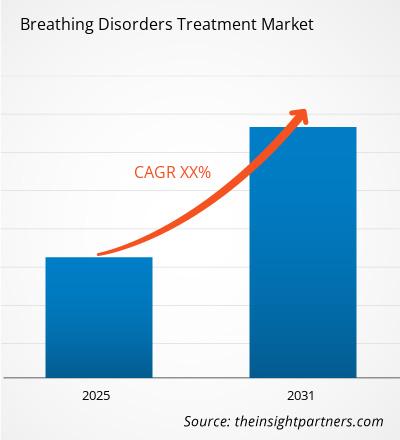
The Breathing Disorders Treatment Market size stood at US$ 47.24 Billion in 2025 and is likely to reach US$ 94.66 Billion by 2034, registering a CAGR of 8.03% during 2026–2034. The demand will be stimulated by the increase in diagnosis of asthma, allergic rhinitis, chronic obstructive pulmonary diseases, cystic fibrosis, and idiopathic pulmonary fibrosis and increasing prescriptions of therapy through hospitals, retail pharmacies, and e-pharmacies.
In North America, the market will be fuelled by advanced care processes for lungs, insurance reimbursement for chronic respiratory treatments, and higher utilization of branded inhaled and biologic drugs. The region is forecast to grow at a CAGR of 7.4–7.9% from 2026 to 2034, thanks to early diagnosis initiatives, access to specialists, and increased treatment aggressiveness in patients with uncontrolled asthma and COPD.
Breathing Disorders Treatment Market Assessment and Insights
- North America held a 38–41% share in 2025 and is projected to grow at a CAGR of 7.4–7.9% between 2026–2034, supported by specialty prescribing, biologic adoption, and mature reimbursement systems.
- US accounted for 72–76% of North America in 2025 and is expected to grow at a CAGR of 7.2–7.7% between 2026–2034, led by COPD burden and specialty pharmacies.
- Europe represented a 26–29% share in 2025 and is set to grow at a CAGR of 7.1–7.6% between 2026–2034, with Germany, the UK, and France leading treatment uptake.
- Asia Pacific captured a 21–24% share in 2025 and is forecast to grow at a CAGR of 9.0–9.6% between 2026–2034, led by China, Japan, India, South Korea, and Australia.
- Largest Segment Asthma held a market share of 31–34% in 2025 and is expected to grow at a CAGR of 7.7–8.2% between 2026–2034 due to high diagnosis volumes.
- High Growth Segment Online pharmacies held a market share of 10–13% in 2025 and are projected to expand at a CAGR of 10.8–11.5% between 2026–2034.
- Key companies analyzed in detail: Biogen Inc., Bayer AG, Aurobindo Pharma Limited, Novartis AG, Amgen Inc., F. Hoffmann-La Roche Ltd, Abbott Laboratories, GSK plc, AstraZeneca plc, Merck KGaA.
Source: The Insight Partners' analysis based on proprietary research, government publications, company annual reports, investor presentations, industry databases, and expert interviews.
The introduction of new therapies has made the focus of respiratory care move from managing symptoms temporarily to controlling diseases, preventing exacerbations, and phenotypic prescriptions. The manufacture of respiratory therapy has also improved through investments in dose accuracy of inhalers, production of biologics, cold chain delivery systems, and scaling up generics. This has been causing shifts in competition among patented biologics, fixed-dose combinations, antibiotics, and over-the-counter respiratory therapy.
Future development in this industry is likely to be influenced by an increase in the number of patients due to better diagnosis through primary care testing, digital spirometry, and pharmacy access channels. The regulatory framework will provide the necessary assistance for expanding geographically through essential medicine regulation, air quality initiatives, and fast-track approvals for respiratory diseases with significant burdens. The future investments will go towards biologics, antifibrotics, adherence platforms, and pharmacies.
Breathing Disorders Treatment Market Report Scope
| Report Attribute | Details |
|---|---|
| Market size in 2025 | US$ 47.24 Billion |
| Market Size by 2034 | US$ 94.66 Billion |
| Global CAGR (2026 - 2034) | 8.03% |
| Historical Data | 2021-2024 |
| Forecast period | 2026-2034 |
Breathing Disorders Treatment Market Analysis
Demand drivers include chronic respiratory disease moving toward more chronic management rather than episodic treatment. The market forecast includes factors such as asthma prevalence, COPD deaths, allergens, and recurrent respiratory infections that need either antibiotics or anti-inflammatory drugs. Supply sources are still diverse, where innovators lead on biologics and branded inhalers, while generics companies work on cost optimization.
Ecosystem value is now influenced by pulmonologists, allergists, general practitioners, hospital pharmacies, and digital pharmacy platforms. Data about respiratory diseases by WHO that show their heavy burden has placed chronic breathlessness at the health-systems forefront. Payors focus on decreased exacerbations, reduced ER visits, and increased adherence – this works in favor of treatment modalities that can deliver tangible results, not volume driven alone.
The Breathing Disorders Treatment Market report reflects the fragmented nature of the industry, whereby AstraZeneca plc and GSK plc head key inhaled and biologics respiratory portfolios, whereas Aurobindo Pharma Limited and Abbott Laboratories ensure better access via generics and wide distribution. F. Hoffmann-La Roche Ltd, Bayer AG, Biogen Inc., Amgen Inc., Novartis AG, and Merck KGaA compete via specialty science, immunology knowledge, and geographical portfolio positioning.
Investment is shifting towards differentiation, real world data, and lifecycle management. Label expansion, device optimization, and biologic dossiers are helping pharmaceutical companies justify prices in established markets. On the other hand, procurement trends in Europe and emerging Asia make companies balance between premium innovation and efficient supply, resulting in dual speed market model.
● REPORT CUSTOMIZATION
Tailor This Report To Align With Your Specific Business Requirements
This report can be customized to align precisely with your business objectives, scope, and target markets. Customization options include tailored segmentation, geography, competitive analysis, and strategic insights to support informed decision-making.
Customize This Report →WHAT YOU CAN ADJUST
- ● Segmentations
- ● Geography
- ● Competitive Analysis
- ● Language Preferences
Breathing Disorders Treatment Market: Strategic Insights
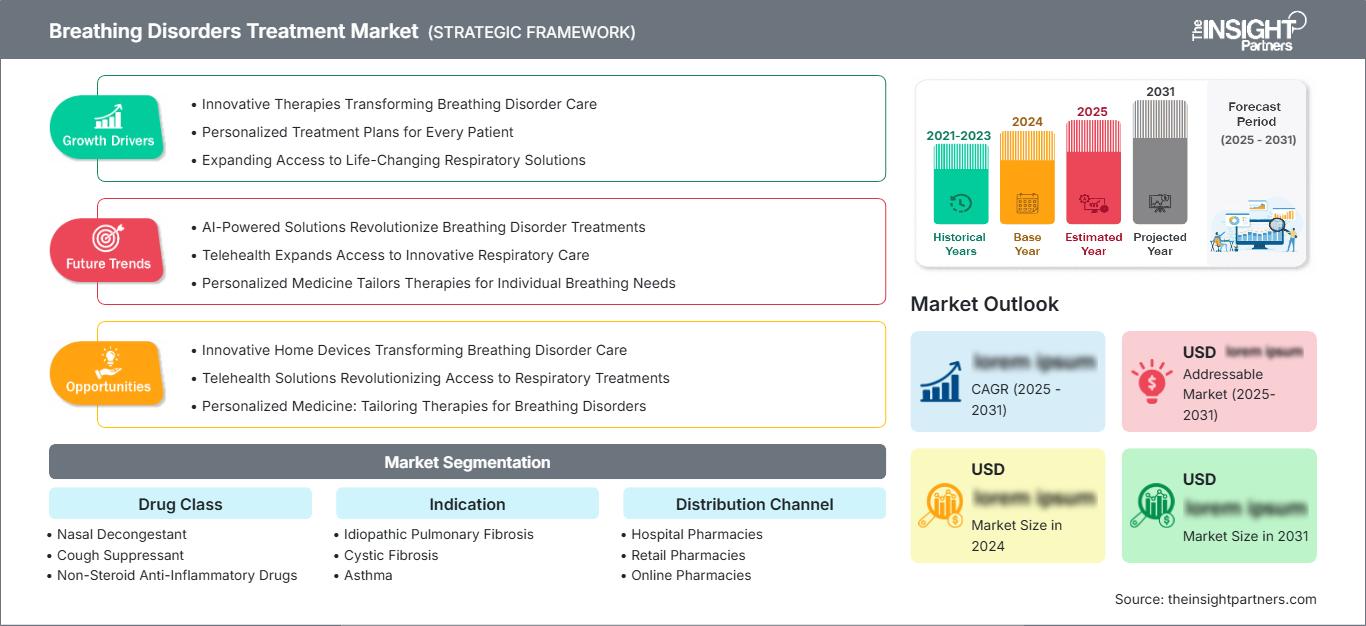
Regional Insights
North America Breathing Disorders Treatment Market
North America accounted for a 38–41% share in 2025 and is projected to register a CAGR of 7.4–7.9% during 2026–2034. The Breathing Disorders Treatment Market share in the region is supported by high prescription penetration, broad access to specialty drugs, and a large diagnosed population with asthma, COPD, and allergic rhinitis.
The region benefits from advanced pulmonary diagnostics, established payer coding, and strong commercial presence from GSK plc, AstraZeneca plc, Amgen Inc., and F. Hoffmann-La Roche Ltd. Demand is also supported by higher biologic eligibility testing, emergency department reduction strategies, and integrated specialty pharmacy fulfilment.
U.S. Breathing Disorders Treatment Market
The U.S. represented 72–76% of North America in 2025 and is expected to grow at a CAGR of 7.2–7.7% during 2026–2034. Treatment intensity is high because physicians frequently escalate uncontrolled asthma and COPD patients from inhaled maintenance therapy to biologics, fixed-dose combinations, and specialty monitoring.
Company presence remains concentrated in branded respiratory portfolios, hospital networks, managed care contracting, and specialty pharmacy hubs. AstraZeneca plc and GSK plc are prominent in inhaled and biologic therapies, while Abbott Laboratories and Aurobindo Pharma Limited support wider access through diagnostics, generics, and pharmacy distribution.
Europe Breathing Disorders Treatment Market
Europe had a market share of 26–29% in 2025 and is expected to have a growth rate of CAGR 7.1–7.6% between 2026–2034. The lead country continues to be Germany owing to high reimbursements, high density of specialist doctors and chronic disease management, whereas the UK follows guideline-based prescription for asthma and COPD patients via national clinical pathways.
France is characterized by consistent utilization of allergic rhinitis, asthma, and antibiotics due to the physician-driven prescription practices, while France and Spain are witnessing growing demand because of the respiratory initiatives directed towards aging population, smokers with COPD, and polluted air. The regional price controls restrict the premium uptake but ensure stable volumes.
APAC Breathing Disorders Treatment Market
APAC accounted for a 21–24% share in 2025 and is forecast to expand at a CAGR of 9.0–9.6% during 2026–2034. China is the leading market, supported by urban pollution exposure, hospital expansion, and growing access to specialty respiratory care.
Japan and South Korea contribute advanced biologic adoption, while India and Australia support growth through generics, allergy burden, and pharmacy penetration. Policy drivers include broader insurance access, essential medicine availability, and public health attention to air quality.
Middle East & Africa Breathing Disorders Treatment Market
Middle East & Africa is projected to grow at a CAGR of 7.8–8.4% during 2026–2034, with Saudi Arabia leading regional demand. Growth is supported by healthcare infrastructure investment, specialist hospital development, and higher diagnosis of asthma and COPD in urban populations.
The UAE benefits from private healthcare access and imported branded medicines, while South Africa supports volume through retail pharmacies and public procurement. Rest of MEA remains uneven, with energy-sector urbanization, dust exposure, and limited specialist availability shaping treatment patterns.
Segmentation Analysis
Drug Class
The drug class segment is expected to grow at a CAGR of 7.5–8.1% during 2026–2034. This category defines the Breathing Disorders Treatment Market scope across acute symptom relief, inflammation control, infection management, and congestion treatment. Demand remains highest where physicians combine prescription and over-the-counter products to manage exacerbations, seasonal triggers, and chronic maintenance needs.
- Nasal Decongestant products hold strategic value in allergic rhinitis and upper-airway congestion, particularly through retail pharmacies where rapid relief, brand familiarity, and seasonal purchase cycles support recurring demand.
- Cough Suppressant therapies remain important in symptomatic respiratory care, with uptake linked to viral infections, chronic cough evaluation, and patient preference for accessible short-duration treatment options.
- Non-Steroid Anti-Inflammatory Drugs support adjunctive management of inflammation-related discomfort and fever, often used alongside other therapies where physicians prioritize symptom control and patient tolerability.
- Antibiotics remain clinically important for bacterial respiratory infections and exacerbation management, although stewardship programs increasingly influence prescribing volume, selection, and duration across hospital and retail channels.
Indication
The indication segment is projected to grow at a CAGR of 8.0–8.6% during 2026–2034. Treatment demand is shaped by chronic disease prevalence, exacerbation frequency, diagnostic maturity, and therapy escalation. Asthma remains the largest indication, while COPD and pulmonary fibrosis create higher specialty treatment intensity due to progressive disease burden.
- Idiopathic Pulmonary Fibrosis is a specialist-driven indication where antifibrotic therapy, early imaging diagnosis, and referral pathways are critical to slowing lung function decline and improving patient monitoring.
- Cystic Fibrosis represents a smaller but high-complexity treatment area, with demand concentrated in specialty centers, genetic diagnostics, infection control, and long-term multidisciplinary care.
- Asthma is the largest indication, supported by high prevalence, repeated prescriptions, inhaled maintenance therapy, biologic eligibility, and frequent physician visits for uncontrolled symptoms.
- Allergic Rhinitis generates substantial retail and prescription demand because seasonal allergens, urban pollution, and comorbid asthma encourage recurring use of decongestants, anti-inflammatory medicines, and physician-guided treatment.
- Chronic Obstructive Pulmonary Disease is strategically important due to aging populations, smoking history, hospitalization risk, and increasing adoption of fixed-dose inhalers and biologic add-on therapies.
Distribution Channel
The distribution channel segment is expected to register a CAGR of 8.4–9.1% during 2026–2034. Dispensing models are shifting as chronic respiratory patients require refill continuity, adherence support, and faster access. Hospital pharmacies dominate severe cases, retail pharmacies retain broad access, and online pharmacies are scaling as patients seek convenience.
- Hospital Pharmacies are central for severe asthma, COPD exacerbations, cystic fibrosis, and pulmonary fibrosis, where specialist initiation, biologic administration, and discharge medication planning influence treatment continuity.
- Retail Pharmacies remain the dominant access point for acute and chronic respiratory medicines, supported by repeat prescriptions, pharmacist counseling, seasonal demand, and neighborhood availability.
- Online Pharmacies are scaling quickly as patients use digital refills, home delivery, subscription models, and price comparison tools for maintenance medicines and recurring respiratory care.
Opportunity Snapshot
| Segment Name | Revenue Contribution | Trend Tag | Adoption Stage |
| Hospital Pharmacies | High | Specialty Access | Mature |
| Retail Pharmacies | High | Refill Care | Mature |
| Online Pharmacies | Medium | Digital Refills | Scaling |
Breathing Disorders Treatment Market Growth Drivers and Impact Analysis
Rising Chronic Respiratory Disease Burden
Asthma, COPD, allergic rhinitis, and pulmonary fibrosis have increased the burden of disease globally, and they have increased the use of treatment among both general practitioners and specialists. Asthma has been ranked by the WHO as one of the most prevalent chronic diseases among children, while COPD continues to be a top cause of death around the world. It offers an evergreen platform for ongoing prescription, prevention of emergencies, and maintenance therapy. The impact is greatest on those nations which have aged population, past history of smoking, air pollution, and proper diagnosis.
Therapy Escalation Toward Precision Respiratory Care
Increasing personalization of respiratory treatment with the use of biomarkers, exacerbation history, lung function tests, and allergy profile is driving a better business environment for biologics, FDCs, and antifibrotic agents, as the patients who cannot be controlled need more than just symptoms management. This effect can be seen in highly specialized markets where the insurance companies are willing to pay for premium products that help lower the number of hospital admissions and the need for systemic corticosteroids.
Expansion of Pharmacy-Based Access Models
Pharmacies play an increasingly significant role in the management of respiratory diseases as many patients require repeat treatments, inhaler training, reminders, and treatment for symptoms during certain seasons. Traditional retail pharmacies still have a lot of prescriptions to process, while the internet pharmacies increase the convenience of receiving maintenance drugs. Hospital pharmacies continue being important for patients with serious health problems and those discharged from hospitals. Market effect is the wider coverage of customers that prevents treatment gaps and increases adherence. Pharmacies working in tandem with manufacturers can increase persistence.
Breathing Disorders Treatment Market Future Trends
Digital Adherence and Connected Respiratory Care
Breathing Disorders Treatment Market trends indicate that inhalers, refill data, and mobile symptom monitoring applications are expected to be incorporated more into the treatment process. This technology will allow doctors to detect underutilization, overuse of the rescue drugs, and exacerbation signals before the need for hospital admission arises. Implementation of this solution is likely to take place initially in the United States, Europe, Japan, South Korea, and Australia due to the well-developed reimbursement databases and specialized clinics in these countries.
Broader Use of Biologics Beyond Severe Asthma
Biologic medications are likely to expand from their strongest current stronghold in severe asthma to COPD subsets, chronic rhinosinusitis with nasal polyps, and other co-existing inflammatory respiratory conditions. Such an evolution is going to need careful patient selection since insurers are going to want proof that treatment lowers exacerbations, number of hospitalizations, and corticosteroid use. Those companies that have proven biomarkers, extended duration of treatment, and wide-reaching studies will have some strategic benefits. However, it is going to take some time for it to have any impact on the market.
Breathing Disorders Treatment Market Opportunities
Scaling Access in Emerging Urban Respiratory Hotspots
Urbanization, pollution exposure, and expanding insurance coverage create strong opportunities in China, India, Southeast Asia, the Gulf states, and parts of Africa. Companies can use Breathing Disorders Treatment Market Forecasts to prioritize cities with rising COPD diagnosis, allergy burden, and pharmacy infrastructure. Investment should focus on affordable branded generics, physician education, digital refill systems, and partnerships with hospital networks. Local manufacturing and tiered pricing can reduce access barriers while supporting volume. Firms that establish respiratory portfolios before specialist capacity fully matures may secure early brand loyalty and distributor advantages.
Building Integrated Severe Disease Care Pathways
Severe asthma, cystic fibrosis, COPD, and pulmonary fibrosis patients often move across emergency care, specialist clinics, hospital pharmacies, and home therapy. This fragmentation creates an opportunity for companies to support integrated care models using patient services, adherence programs, biomarker testing, and specialty pharmacy coordination. Investment in evidence showing fewer exacerbations and improved persistence can improve payer acceptance. Manufacturers with both medicine portfolios and service partnerships can capture value beyond product sales, particularly in North America and Europe where outcome-based contracting is increasingly feasible.
Recent Developments
- April 2026: AstraZeneca plc announced that Breztri Aerosphere received U.S. FDA approval for maintenance treatment of asthma in patients aged 12 years and older, expanding the medicine beyond COPD. The approval was based on Phase III KALOS and LOGOS trials showing lung function improvement versus inhaled dual therapy.
- September 2025: GSK plc announced more than 60 respiratory abstracts for the ERS Congress 2025, including data across asthma, COPD, chronic rhinosinusitis with nasal polyps, refractory chronic cough, and infectious respiratory diseases. The program highlighted depemokimab, mepolizumab, and efforts to reduce exacerbations and hospitalization.
- May 2025: GSK plc received U.S. FDA approval for Nucala as add-on maintenance treatment for adults with inadequately controlled COPD and an eosinophilic phenotype. The approval was based on MATINEE and METREX Phase III trials, with eligibility characterized by blood eosinophil counts starting at 150 cells per microliter.
Frequently Asked Questions

- Comprehensive Market Sizing and Forecast Analysis
- Detailed Segmentation Analysis
- In-Depth Market Dynamics Assessment
- Regional and Country-Level Insights
- Competitive Landscape and Company Benchmarking
- Strategic Business Intelligence
Recent Reports
Testimonials

The Insight Partners provided valuable market intelligence that supported our global go-to-market strategy. Their team was professional, responsive, and attentive to our feedback, providing thoughtful analysis and helpful methodological clarifications throughout the project.
Junmo Kim Chief Financial Officer (CFO), Enertech Co., Ltd.
The Insight Partners' SCADA System Market report is comprehensive, with valuable insights on current trends and future forecasts. The team was highly professional, responsive, and supportive throughout. We are very satisfied and highly recommend their services.
RAN KEDEM Partner, Reali Technologies LTDs
I requested a report on a very specific software market and the team produced the report in a few days. The information was very relevant and well presented. I then requested some changes and additions to the report. The team was again very responsive and I got the final report in less than a week.
JEAN-HERVE JENN Chairman, Future Analytica
We worked with The Insight Partners for an important market study and forecast. They gave us clear insights into opportunities and risks, which helped shape our plans. Their research was easy to use and based on solid data. It helped us make smart, confident decisions. We highly recommend them.
PIYUSH NAGPAL Sr. Vice President, High Beam Global
The Insight Partners delivered insightful, well-structured market research with strong domain expertise. Their team was professional and responsive throughout. The user-friendly website made accessing industry reports seamless. We highly recommend them for reliable, high-quality research services
YUKIHIKO ADACHI CEO, Deep Blue, LLC.
This is the first time I have purchased a market report from The Insight Partners.While I was unsure at first, I visited their web site and felt more comfortable to take the risk and purchase a market report.I am completely satisfied with the quality of the report and customer service. I had several questions and comments with the initial report, but after a couple of dialogs over email with their analyst I believe I have a report that I can use as input to our strategic planning process.Thank you so much for taking the extra time and making this a positive experience.I will definitely recommend your service to others and you will be my first call when we need further market data.
JOHN SUZUKI President and Chief Executive Officer, Board Director, BK Technologies
I wish to appreciate your support and the professionalism you displayed in the course of attending to my request for information regarding to infectious disease IVD market in Nigeria. I appreciate your patience, your guidance, and the fact that you were willing to offer a discount, which eventually made it possible for us to close a deal. I look forward to engaging The Insight Partners in the future, all thanks to the impression you have created in me as a result of this first encounter.
DR CHIJIOKE ONYIA MANAGING DIRECTOR, PineCrest Healthcare Ltd.Reason to Buy
- Informed Decision-Making
- Understanding Market Dynamics
- Competitive Analysis
- Identifying Emerging Markets
- Customer Insights
- Market Forecasts
- Risk Mitigation
- Boosting Operational Efficiency
- Strategic Planning
- Investment Justification
- Tracking Industry Innovations
- Aligning with Regulatory Trends





 Get Free Sample for