
Aviation Lubricant Market Growth, Trends & Forecast by 2034
Coverage: by Type (Hydraulic Fluid, Engine Oil, Grease); Base Oil (Mineral, Synthetic, Bio-based); Application (Engine, Hydraulic Systems, Landing Gear, Airframe); and Geography (North America, Europe, Asia Pacific, and South and Central America)
- Status : Data Released
- Report Code : TIPAD00002145
- Category : Chemicals and Materials
- No. of Pages : 150
- Available Report Formats :


- Last update date : August 14, 2026


2025 Market Size
US$ 1.29 Bn
Base year value
2034 Forecast
US$ 2.02 Bn
Projected by 2034
CAGR 2026-2034
5.07 %
Growth rate
Addressable Market
US$ 14.99 Bn
(2026-2034)
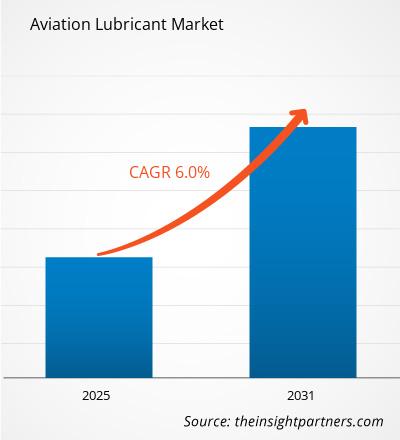
The Aviation Lubricant Market was valued at US$ 1.29 Billion in 2025 and is projected to reach US$ 2.02 Billion by 2034, expanding at a CAGR of 5.07% during 2026–2034. The market continues to benefit from rising commercial aircraft utilization, expanding military aviation programs, and increasing maintenance requirements for next-generation aircraft fleets. Demand remains supported by stringent aviation safety standards, OEM-approved lubricant formulations, and the growing adoption of high-performance synthetic lubricants that improve engine reliability, thermal stability, and maintenance efficiency.
North America remains the leading regional market owing to its extensive commercial aviation fleet, mature maintenance, repair, and overhaul (MRO) infrastructure, and the presence of major aircraft manufacturers and lubricant suppliers. The Aviation Lubricant Market size across the region is expected to expand at an estimated CAGR of 4.6%–5.1% during the forecast period, supported by sustained fleet modernization, strong defense aviation spending, and increasing demand for certified synthetic engine oils and hydraulic fluids across commercial and military aircraft operations. These structural advantages continue to reinforce long-term regional demand.
Aviation Lubricant Market Assessment and Insights
- North America: Accounted for an estimated 36%–39% share in 2025 and is projected to grow at a CAGR of 4.6%–5.1% during 2026–2034. Strong MRO capabilities, extensive commercial aviation activity, and sustained defense procurement continue to support regional lubricant consumption.
- U.S.: Represented approximately 84%–87% of the North American market in 2025 and is expected to expand at a CAGR of 4.5%–5.0% during 2026–2034, supported by a large aircraft fleet, established aerospace manufacturing, and continuous airline maintenance activities.
- Europe: Held an estimated 24%–27% share in 2025 and is anticipated to register a CAGR of 4.8%–5.3% during 2026–2034. Germany, France, and the United Kingdom remain major contributors due to their aerospace manufacturing ecosystems and established aviation maintenance networks.
- Asia Pacific: Accounted for approximately 20%–23% share in 2025 and is forecast to grow at a CAGR of 5.8%–6.4% during 2026–2034. China, India, Japan, and South Korea continue to invest in commercial aviation expansion, airport infrastructure, and domestic MRO capabilities.
- Largest Segment: Engine Oil accounted for an estimated 41%–44% market share in 2025 and is projected to grow at a CAGR of 4.9%–5.4% during 2026–2034, supported by recurring replacement demand and stringent engine certification requirements.
- High Growth Segment: Bio-based Base Oil is expected to witness the fastest expansion, with a 2025 market share of 6%–9% and a projected CAGR of 6.5%–7.2% during 2026–2034, driven by sustainability initiatives and increasing research into environmentally compatible aviation lubricants.
- Key companies analyzed in detail: Exxon Mobil Corporation, BP p.l.c., Chevron Corporation, Eastman Chemical Company, FUCHS Petrolub SE, LANXESS AG, Nye Lubricants, Inc., NYCO S.A., Phillips 66 Company, Shell plc, TotalEnergies SE, The Chemours Company.
Source: The Insight Partners' analysis based on proprietary research, government publications, company annual reports, investor presentations, industry databases, and expert interviews.
Aircraft lubrication systems keep advancing along with the advancement in the design of turbine engines, longer maintenance cycles, and increased difficulty in operating conditions. Modern aviation aircraft call for lubricants that can ensure viscosity during extremely hot conditions and reduce the possibility of oxidation and deposit formation and wear. Synthetic products have been adopted more widely because they enable higher thermal stability, long drain cycles, and higher reliability in commercial, military, and business aviation fleets. Such technological advances keep changing product development focus and encourage partnership among lubricant makers, OEMs, and engine producers.
As for the future, investments in aviation infrastructure in the Asia Pacific and Middle East regions, in conjunction with increased airline fleets and MRO capacities, should ensure positive market dynamics. The importance of efficient operation, reduction of emissions, and eco-friendly lubricant technologies results in a fast development of the segment products. Today, more and more manufacturers pay attention to new synthetic and bio-based lubricants meeting OEM requirements and improving equipment performance and operation.
Aviation Lubricant Market Report Scope
| Report Attribute | Details |
|---|---|
| Market size in 2025 | US$ 1.29 Billion |
| Market Size by 2034 | US$ 2.02 Billion |
| Global CAGR (2026 - 2034) | 5.07% |
| Historical Data | 2021-2024 |
| Forecast period | 2026-2034 |
Aviation Lubricant Market Analysis
Growing global passenger traffic, fleet expansion, and increasing aircraft utilization continue to strengthen demand for certified aviation lubricants across commercial, military, and general aviation sectors. Aviation Lubricant Market growth is further supported by rising engine operating temperatures, stricter maintenance standards, and greater reliance on synthetic lubricants that deliver superior oxidation resistance and extended service life. Airlines and maintenance organizations increasingly prioritize products capable of reducing maintenance frequency while maintaining compliance with stringent OEM and aviation authority approvals.
The value chain of the market starts from producers of specialty base oils and additive suppliers to lubricant formulators, aircraft makers, engine OEMs, distribution channel members, and worldwide MRO service providers. Long product qualification processes, along with stringent requirements for certification, result in substantial entry barriers that benefit suppliers with existing aviation certifications and technical support capabilities.
Competitive intensity remains concentrated among established multinational suppliers with extensive aviation certification portfolios and long-standing relationships with aircraft manufacturers, airlines, and defense organizations. Aviation Lubricant Market analysis indicates that Exxon Mobil Corporation, Shell plc, BP p.l.c., Chevron Corporation, TotalEnergies SE, Eastman Chemical Company, FUCHS Petrolub SE, NYCO S.A., Phillips 66 Company, LANXESS AG, Nye Lubricants, Inc., and The Chemours Company continue strengthening their positions through product innovation, technical service capabilities, and global distribution networks.
There is an increasing focus on investments in high-performance synthetics, sustainable base oils, digital monitoring of oil condition, and broadened supply arrangements with aircraft operators and MROs. Additionally, greater collaboration between companies and engine producers for developing lubricant products suitable for use with advanced propulsion systems is underway. This will enhance competitive positioning in the market while fulfilling future demand from both commercial and military aviation sectors.
● REPORT CUSTOMIZATION
Tailor This Report To Align With Your Specific Business Requirements
This report can be customized to align precisely with your business objectives, scope, and target markets. Customization options include tailored segmentation, geography, competitive analysis, and strategic insights to support informed decision-making.
Customize This Report →WHAT YOU CAN ADJUST
- ● Segmentations
- ● Geography
- ● Competitive Analysis
- ● Language Preferences
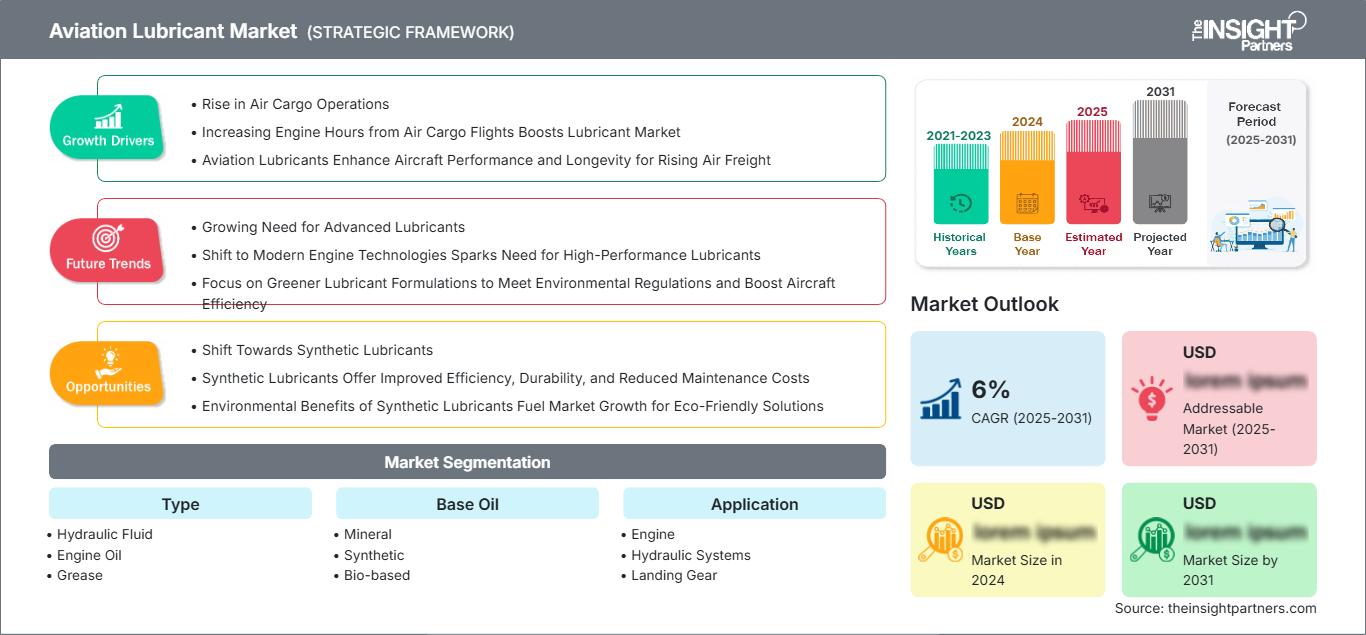
Aviation Lubricant Market: Strategic Insights
Regional Insights
North America Aviation Lubricant Market
North America accounted for an estimated 36%–39% of the Aviation Lubricant Market share in 2025 and is projected to expand at a CAGR of 4.6%–5.1% during 2026–2034. Its dominance is ensured through an impressive fleet of commercial aircraft, advanced MRO capabilities, and consistent investments in military aviation upgradation. High levels of aircraft utilization, together with the rigorous certification requirements laid out by aviation regulatory authorities, ensure ongoing demand for high-end engine oils, hydraulic fluids, and grease.
The other reason why this region is well-positioned is because of the presence of leading aircraft producers, engine OEMs, and lubricants suppliers who actively participate in the development of new generation lubricants. Increased usage of synthetic lubricants, predictive maintenance techniques, and fleet management solutions is improving the performance of lubricants and minimizing downtime. The efforts being made by airlines to renew their fleets and procurement of military aircraft would ensure steady consumption of high-end aviation lubricants.
U.S. Aviation Lubricant Market
The U.S. represented approximately 84%–87% of the North American Aviation Lubricant Market in 2025 and is anticipated to register a CAGR of 4.5%–5.0% during 2026–2034. It is home to one of the biggest fleets of commercial and military aircraft in the world, which provides a constant need for certified lubricants in the engines, hydraulic systems, landing gear and airframes. Constant development of its fleet and increasing maintenance activities contribute to steady consumption of lubricants by the companies within the airline and military sectors.
There is a strong relationship between some leading players, such as Exxon Mobil Corporation, Chevron Corporation, Phillips 66 Company, Shell plc, and BP p.l.c. and airlines, OEMs, and MRO services, functioning all over the country. The increasing trend towards synthetic lubricants and longer maintenance periods is making operations more efficient and ensuring adherence to aerospace performance requirements.
Europe Aviation Lubricant Market
Europe accounted for an estimated 24%–27% share in 2025 and is expected to grow at a CAGR of 4.8%–5.3% during 2026–2034. The regional market is supported by a mature aerospace manufacturing ecosystem, established airline operators, and comprehensive MRO networks. Germany continues to lead regional demand owing to its strong aerospace engineering capabilities, extensive industrial base, and presence of major aviation component manufacturers requiring certified lubricant solutions.
The United Kingdom remains an important contributor through its advanced aircraft engine manufacturing capabilities, large commercial aviation network, and significant defense aviation investments. France benefits from its well-developed aerospace manufacturing sector and global aircraft production activities, while Italy and Spain continue expanding aviation maintenance capacity and commercial aviation operations. Increasing focus on sustainable aviation practices and advanced synthetic lubricant technologies is expected to strengthen long-term market development across the European region.
APAC Aviation Lubricant Market
Asia Pacific represented approximately 20%–23% share in 2025 and is projected to record the fastest regional expansion at a CAGR of 5.8%–6.4% during 2026–2034. China remains the leading market, followed by Japan, India, South Korea, and Australia, supported by rapid fleet expansion, airport development, and investments in domestic MRO capabilities.
Government initiatives promoting aerospace manufacturing, increasing passenger traffic, and expanding airline fleets continue to strengthen lubricant demand. Growing adoption of synthetic aviation lubricants and rising defense aviation expenditure further support regional market expansion throughout the forecast period.
Middle East & Africa Aviation Lubricant Market
The Middle East & Africa Aviation Lubricant Market is anticipated to expand at a CAGR of 5.2%–5.8% during 2026–2034, supported by increasing commercial aviation activity and expanding airline fleets. Saudi Arabia and UAE still play the biggest role, and South Africa becomes the leader in the demand due to its well-developed air transportation and maintenance.
Construction and development of airports, aircraft replacement plans, and building of aviation maintenance sites contribute to increasing the lubricant usage in the region. Focus on high reliability and increased international flights of airplanes will definitely bring additional opportunities to the certified aviation lubricants producers in the region.
Segmentation Analysis
Type
The Type segment represents the core functional classification of the market, with demand influenced by aircraft operating conditions, maintenance schedules, and OEM specifications. The segment is projected to register a CAGR of 4.9%–5.4% during 2026–2034. Increasing aircraft utilization, longer flight cycles, and the need for high-performance lubricants that withstand extreme temperatures continue to support demand across commercial, military, and general aviation applications. The Aviation Lubricant Market scope continues to expand as advanced formulations improve operational reliability and maintenance efficiency.
- Engine Oil: Engine oils account for the largest share of lubricant consumption owing to frequent replacement intervals, stringent certification requirements, and their critical role in reducing wear, oxidation, and thermal degradation in turbine engines.
- Hydraulic Fluid: Hydraulic fluids are widely adopted in aircraft hydraulic systems because they ensure efficient power transmission, corrosion protection, and stable performance under high-pressure operating environments throughout aircraft service cycles.
- Grease: Aviation greases provide reliable lubrication for bearings, hinges, actuators, and moving mechanical assemblies by minimizing friction, resisting water contamination, and maintaining performance under varying temperature and pressure conditions.
Base Oil
The Base Oil segment of the Aviation Lubricant Market is expected to expand at a CAGR of 5.3%–5.9% during 2026–2034, supported by advancements in lubricant chemistry and demand for products that deliver longer service life and superior thermal stability. Aircraft manufacturers and operators increasingly prefer advanced formulations that enhance engine performance while reducing maintenance frequency and supporting sustainability objectives industrywide.
- Mineral: Mineral-based oils continue to serve selected legacy aircraft and cost-sensitive applications where operational requirements permit their use and established maintenance practices remain effective.
- Synthetic: Synthetic base oils dominate modern aviation lubricant formulations because they offer excellent oxidation resistance, superior low-temperature fluidity, and enhanced thermal stability required for advanced aircraft engines and hydraulic systems.
- Bio-based: Bio-based base oils are gaining industry attention as airlines and lubricant manufacturers pursue environmentally responsible alternatives capable of supporting sustainability initiatives while meeting evolving aviation performance standards.
Application
The Application segment of the Aviation Lubricant Market is anticipated to record a CAGR of 5.1%–5.7% during 2026–2034, reflecting expanding aircraft fleets, increasing maintenance activities, and higher lubricant consumption across critical aircraft systems. Applications require lubricant formulations designed to ensure reliability, safety, and compliance with aerospace certification standards under demanding environments.
- Engine: Engine applications generate the highest lubricant demand because aircraft engines operate under extreme thermal and mechanical conditions that require premium lubricants for efficient performance and component protection.
- Hydraulic Systems: Hydraulic systems rely on specialized fluids that provide pressure stability, corrosion resistance, and consistent operational performance across flight control systems, braking systems, and other hydraulic assemblies.
- Landing Gear: Landing gear lubrication supports smooth operation, protects heavily loaded moving components, and minimizes wear during repeated takeoff and landing cycles under demanding operating conditions.
- Airframe: Airframe lubrication ensures reliable performance of hinges, actuators, control surfaces, and mechanical assemblies by reducing friction, preventing corrosion, and extending equipment service life.
Opportunity Snapshot
| Application | Revenue Contribution | Trend Tag | Adoption Stage |
|---|---|---|---|
| Engine | High | Fleet Renewal | Mature |
| Hydraulic Systems | High | Smart MRO | Mature |
| Landing Gear | Medium | Wear Control | Scaling |
| Airframe | Medium | Corrosion Protection | Scaling |
Aviation Lubricant Market Growth Drivers and Impact Analysis
Rising Commercial Aircraft Fleet Expansion and Flight Activity
The continued expansion of global commercial aviation remains a primary driver for the Aviation Lubricant Market. Airlines are increasing aircraft deliveries to accommodate long-term passenger traffic growth, while existing fleets are operating at higher utilization rates to maximize asset productivity. These developments directly increase lubricant replacement cycles for engines, hydraulic systems, landing gear, and airframe components. Maintenance providers are also expanding overhaul capacity to support growing fleets, creating sustained demand for certified lubricant formulations. Aircraft manufacturers continue introducing more fuel-efficient aircraft equipped with advanced engines that require specialized synthetic lubricants capable of operating under higher thermal loads. This combination of fleet expansion, increased aircraft utilization, and evolving engine technologies strengthens long-term demand across the Aviation Lubricant Market while encouraging lubricant suppliers to develop higher-performance formulations that meet increasingly stringent OEM specifications and airline maintenance requirements.
Growing Adoption of Synthetic Aviation Lubricants
Synthetic aviation lubricants have become more widely accepted due to their excellent oxidation resistance, increased thermal stability, and longer service life than traditional petroleum lubricants. Airlines are now more focused on using lubricants that increase the efficiency of their engines, decrease wear, and maintenance costs of components during the entire aircraft's lifespan. There is also increasing use of advanced synthetic lubricants by military aviation operators, which are able to maintain the same level of performance in difficult operating conditions. Such lubricants ensure the proper functioning of aircraft in various climate zones without deterioration of their quality during long-term use. The development of new additives and oil chemistry allows manufacturers to develop more compatible lubricants for modern turbine engines and hydraulic systems.
Expansion of Global Maintenance, Repair, and Overhaul Infrastructure
The fast-paced expansion of maintenance, repair, and overhaul facilities in emerging markets is offering new opportunities for suppliers of aviation lubricants. Modern airlines are beginning to create regional maintenance centers in order to increase the efficiency of their operations by minimizing aircraft downtime. Governments, too, are expanding the scope of the domestic aerospace industry in order to develop an aviation ecosystem and decrease the reliance on foreign maintenance service providers. An increased number of MRO facilities results in regular orders of engine oils, hydraulic fluids, grease and other specialized lubricants needed at every step of maintenance services. In addition, maintenance technologies are providing better means of tracking lubricant use, which helps maintain compliance with regulations while reducing its replacement frequency. With the emergence of new MRO facilities in the Asia Pacific, the Middle East and other developing markets, one can expect an increase in the local presence of lubricant companies.
Aviation Lubricant Market Future Trends
Development of Sustainable and Bio-Based Lubricant Technologies
Growing environmental commitments across the aviation industry are accelerating research into sustainable lubricant technologies. Aviation Lubricant Market trends increasingly reflect investments in bio-based base oils, lower-emission production processes, and environmentally compatible additive packages. Collaboration between manufacturers and OEMs, as well as research institutes, has been taking place in developing formulations that meet the stringent requirements of certification for aviation use while minimizing impact on the environment. The issue of sustainability has become a critical factor in the procurement of lubricants by airlines and defense organizations, and manufacturers who can offer such performance and sustainability will be at a better competitive advantage.
Digital Maintenance and Condition Monitoring Integration
In recent years, digital transformation has revolutionized aircraft maintenance due to new technologies for monitoring lubricants. Increasingly, airlines and maintenance companies are incorporating predictive analytics, diagnostic sensors, and lubricant condition monitoring as part of their maintenance strategies, in order to increase the reliability of the equipment and optimize the replacement of lubricants. These new technologies offer information in real time about the degradation of lubricants, contamination, and equipment wear, making it possible for the maintenance teams to minimize failure and increase the availability of the aircraft. Lubricant producers are addressing this new trend by manufacturing lubricants that are appropriate for the digital platforms.
Aviation Lubricant Market Opportunities
Expansion of Aviation Aftermarket Services in Emerging Economies
Emerging aviation markets continue to invest heavily in airline expansion, airport infrastructure, and domestic maintenance capabilities, creating attractive opportunities for lubricant suppliers. Aviation Lubricant Market Forecasts indicate that increasing aircraft deliveries and growing regional MRO capacity will expand demand for certified engine oils, hydraulic fluids, and specialty greases. Manufacturers can strengthen market presence by establishing regional distribution networks, technical support centers, and long-term supply agreements with airlines and maintenance organizations. Strategic partnerships with local aerospace companies and government-supported aviation programs will further enhance access to rapidly growing markets while improving supply chain responsiveness and customer support capabilities.
Advanced Lubricants for Next-Generation Aircraft Platforms
The advancements in aircraft engines and propulsion systems lead to opportunities for lubricant producers to come up with high-performing products. The future generations of aircraft are anticipated to be operated in more severe conditions involving increased temperatures, extended servicing periods, and more extreme environmental conditions. This stimulates research in new types of synthetic oils and additive solutions as well as multifunctional lubricants. Those companies that actively engage in R&D and closely cooperate with aircraft producers and manufacturers of engines will have an opportunity to win long-term supply contracts in this sector.
Recent Developments
- June 2025: NYCO S.A. celebrated the 40th anniversary of its TURBONYCOIL® 600 synthetic turbine engine oil and showcased the product at the Paris Air Show. The company highlighted its continued use by more than 100 airlines and armed forces in over 70 countries, reinforcing its long-standing position in commercial and defense aviation lubrication.
- December 2025: The Egyptian Sustainable Aviation Fuel Company (ESAF), a subsidiary of the Egyptian Petrochemicals Holding Company (ECHEM), secured Egypt's first production license for a Sustainable Aviation Fuel (SAF) project. The Alexandria facility, developed with Honeywell UOP, will convert used cooking oil into 120,000 tons of SAF annually, reducing carbon dioxide emissions by approximately 400,000 tons per year and supporting the country's aviation decarbonization strategy.
- January 2026: China completed a successful demonstration flight using Sustainable Aviation Fuel (SAF) produced from domestically developed technology, marking another step toward expanding low-carbon aviation. The initiative supports China's broader aviation decarbonization roadmap by accelerating indigenous SAF production capabilities and promoting commercial adoption of sustainable aviation fuels across the country's aviation sector.
Frequently Asked Questions

- Comprehensive Market Sizing and Forecast Analysis
- Detailed Segmentation Analysis
- In-Depth Market Dynamics Assessment
- Regional and Country-Level Insights
- Competitive Landscape and Company Benchmarking
- Strategic Business Intelligence
Recent Reports
Testimonials

The Insight Partners' SCADA System Market report is comprehensive, with valuable insights on current trends and future forecasts. The team was highly professional, responsive, and supportive throughout. We are very satisfied and highly recommend their services.
RAN KEDEM Partner, Reali Technologies LTDs
I requested a report on a very specific software market and the team produced the report in a few days. The information was very relevant and well presented. I then requested some changes and additions to the report. The team was again very responsive and I got the final report in less than a week.
JEAN-HERVE JENN Chairman, Future Analytica
We worked with The Insight Partners for an important market study and forecast. They gave us clear insights into opportunities and risks, which helped shape our plans. Their research was easy to use and based on solid data. It helped us make smart, confident decisions. We highly recommend them.
PIYUSH NAGPAL Sr. Vice President, High Beam Global
The Insight Partners delivered insightful, well-structured market research with strong domain expertise. Their team was professional and responsive throughout. The user-friendly website made accessing industry reports seamless. We highly recommend them for reliable, high-quality research services
YUKIHIKO ADACHI CEO, Deep Blue, LLC.
This is the first time I have purchased a market report from The Insight Partners.While I was unsure at first, I visited their web site and felt more comfortable to take the risk and purchase a market report.I am completely satisfied with the quality of the report and customer service. I had several questions and comments with the initial report, but after a couple of dialogs over email with their analyst I believe I have a report that I can use as input to our strategic planning process.Thank you so much for taking the extra time and making this a positive experience.I will definitely recommend your service to others and you will be my first call when we need further market data.
JOHN SUZUKI President and Chief Executive Officer, Board Director, BK Technologies
I wish to appreciate your support and the professionalism you displayed in the course of attending to my request for information regarding to infectious disease IVD market in Nigeria. I appreciate your patience, your guidance, and the fact that you were willing to offer a discount, which eventually made it possible for us to close a deal. I look forward to engaging The Insight Partners in the future, all thanks to the impression you have created in me as a result of this first encounter.
DR CHIJIOKE ONYIA MANAGING DIRECTOR, PineCrest Healthcare Ltd.Reason to Buy
- Informed Decision-Making
- Understanding Market Dynamics
- Competitive Analysis
- Identifying Emerging Markets
- Customer Insights
- Market Forecasts
- Risk Mitigation
- Boosting Operational Efficiency
- Strategic Planning
- Investment Justification
- Tracking Industry Innovations
- Aligning with Regulatory Trends





 Get Free Sample for