
Atherosclerosis Therapeutics Market Demand, Size & Forecast by 2034
Coverage: by Type (Anti-platelet medications, Cholesterol lowering medications, Beta blockers, Angiotensin-converting enzyme (ACE) inhibitors, Calcium channel blockers, Others); End User (Hospital, Ambulatory Surgical Centers, Others) , and Geography (North America, Europe, Asia Pacific, and South and Central America)
- Status : Data Released
- Report Code : TIPRE00008170
- Category : Life Sciences
- No. of Pages : 150
- Available Report Formats :


- Last update date : September 07, 2026


2025 Market Size
US$ 6.41 Bn
Base year value
2034 Forecast
US$ 13.09 Bn
Projected by 2034
CAGR 2026-2034
8.26 %
Growth rate
Addressable Market
US$ 87.60 Bn
(2026-2034)
The atherosclerosis therapeutics market was valued at US$ 6.41 Billion in 2025 and is projected to reach US$ 13.09 Billion by 2034, registering a CAGR of 8.26% during 2026–2034. This market comprises pharmacological interventions for thrombosis, dyslipidemia, hypertension, vascular inflammation, and other cardiovascular risk factors. Market growth will be driven by the growing focus of the medical community on lowering cardiovascular events by identifying the risk at an earlier stage and managing lipids and blood pressure.
The North American atherosclerosis therapeutics market size is bolstered by the presence of a developed cardiovascular care structure and network of specialists, along with the use of preventive drugs. The market is anticipated to experience growth due to increased treatment intensity and residual risk awareness, along with the adoption of newer lipid-modifying therapies, apart from antihypertensives and antiplatelets.
Atherosclerosis Therapeutics Market Assessment and Insights
- North America: North America is estimated to account for 40–44% share in 2025 and is expected to grow at a CAGR of 7.4–8.2% between 2026–2034, supported by high diagnosis rates, established reimbursement systems, and treatment intensification.
- US: The US represents approximately 88–92% of North America's 2025 market and is projected to expand at a CAGR of 7.5–8.3% during 2026–2034, led by broad cardiovascular treatment access.
- Europe: Europe is estimated to hold 27–31% share in 2025 and grow at a CAGR of 7.5–8.3% through 2034, with Germany, the UK, France, Italy, and Spain representing major demand centers.
- Asia Pacific: Asia Pacific is estimated at 19–23% share in 2025 and is projected to register a CAGR of 9.0–9.8% during 2026–2034, led by China, Japan, India, South Korea, and Australia.
- Largest Segment: Cholesterol lowering medications are estimated to hold a 39–43% market share in 2025 and grow at a CAGR of 8.2–8.9% during 2026–2034.
- High Growth Segment: Anti-platelet medications are estimated to account for 20–24% share in 2025 and expand at a CAGR of 8.7–9.5% during 2026–2034.
- Key companies analyzed in detail: Novartis AG, Merck & Co., Inc., Sanofi, F. Hoffmann-La Roche Ltd., GlaxoSmithKline plc, Bayer AG, Johnson & Johnson, AstraZeneca plc, Bristol Myers Squibb Company, and Amgen Inc.
Source: The Insight Partners' analysis based on proprietary research, government publications, company annual reports, investor presentations, industry databases, and expert interviews.
The development of atherosclerosis therapeutic treatment space has progressed from its focus on traditional means of cardiovascular disease risk reduction to the more tailored approach to addressing lipid abnormalities and residual cardiovascular disease risks. The current standard treatment approach continues to revolve around statins’ lipid-lowering effect; however, there is a trend in using the lipid-modifying injectables, prolonged dosing and biomarker guidance. These factors have brought changes to manufacturing processes and now they require higher quality standards as well as cold-chain requirements for some products.
The future growth of the market is expected to be driven by new burdens of cardiovascular diseases in the Asia-Pacific region and some countries of the Middle East, as well as research into new treatment approaches. The regulatory interest focuses mainly on the demonstration of cardiovascular benefits, safety, adherence and patient selection. According to WHO, cardiovascular disease is the number one cause of mortality worldwide.
Atherosclerosis Therapeutics Market Report Scope
| Report Attribute | Details |
|---|---|
| Market size in 2025 | US$ 6.41 Billion |
| Market Size by 2034 | US$ 13.09 Billion |
| Global CAGR (2026 - 2034) | 8.26% |
| Historical Data | 2021-2024 |
| Forecast period | 2026-2034 |
Atherosclerosis Therapeutics Market Analysis
Demand is driven by the chronic nature of the disease and the constant need to manage multiple modifiable risk factors on an ongoing basis. The supply chain in the atherosclerosis therapeutics market includes general practitioners, cardiologists, hospitals, pharmacies, ambulatory care centers, pharmaceutical companies, distributors, and payment institutions. According to WHO, there were 19.8 million deaths from cardiovascular diseases worldwide in 2022, with heart attack and stroke responsible for about 85% of these deaths, stressing the significance of preventive pharmacotherapy.
The determinants of the supply side are differentiated on the basis of the mechanism of action, dose, tolerance, and cardiovascular advantage. The competition in generics and current medicines is based on price, availability, and formulary inclusion, while the competition in novel medicines is due to benefits in efficacy and adherence. The production size is an important factor for oral medicines, while injectable medicines have complex production processes.
Competitive positioning in the atherosclerosis therapeutics market report is tilting towards therapeutic interventions targeting residual risks other than the reduction of LDL-cholesterol. Novartis AG is working on building its cardiovascular pipeline by developing drugs inclisiran and pelacarsen while Merck & Co., Inc. is developing MK-7262, a lipoprotein(a) inhibitor. Some companies in the cardiovascular space are Sanofi, F. Hoffmann-La Roche Ltd., GlaxoSmithKline plc, AstraZeneca plc, Bayer AG, Johnson & Johnson, Bristol Myers Squibb Company, and Amgen Inc.
Increasingly, the investment is tilted towards precision medicine, genetically validated targets, long-acting agents, and combinations that would allow for better compliance. Bayer AG has been continually increasing its cardiovascular research alliances, while AstraZeneca plc has been focused on investments in drug manufacturing and research. Such moves are indicative of a competitive landscape in which companies have increasingly been combining internal discovery, alliance-building, biomarker identification, and evidence generation to build competitive positioning along the cardiovascular spectrum of treatment.
● REPORT CUSTOMIZATION
Tailor This Report To Align With Your Specific Business Requirements
This report can be customized to align precisely with your business objectives, scope, and target markets. Customization options include tailored segmentation, geography, competitive analysis, and strategic insights to support informed decision-making.
Customize This Report →WHAT YOU CAN ADJUST
- ● Segmentations
- ● Geography
- ● Competitive Analysis
- ● Language Preferences
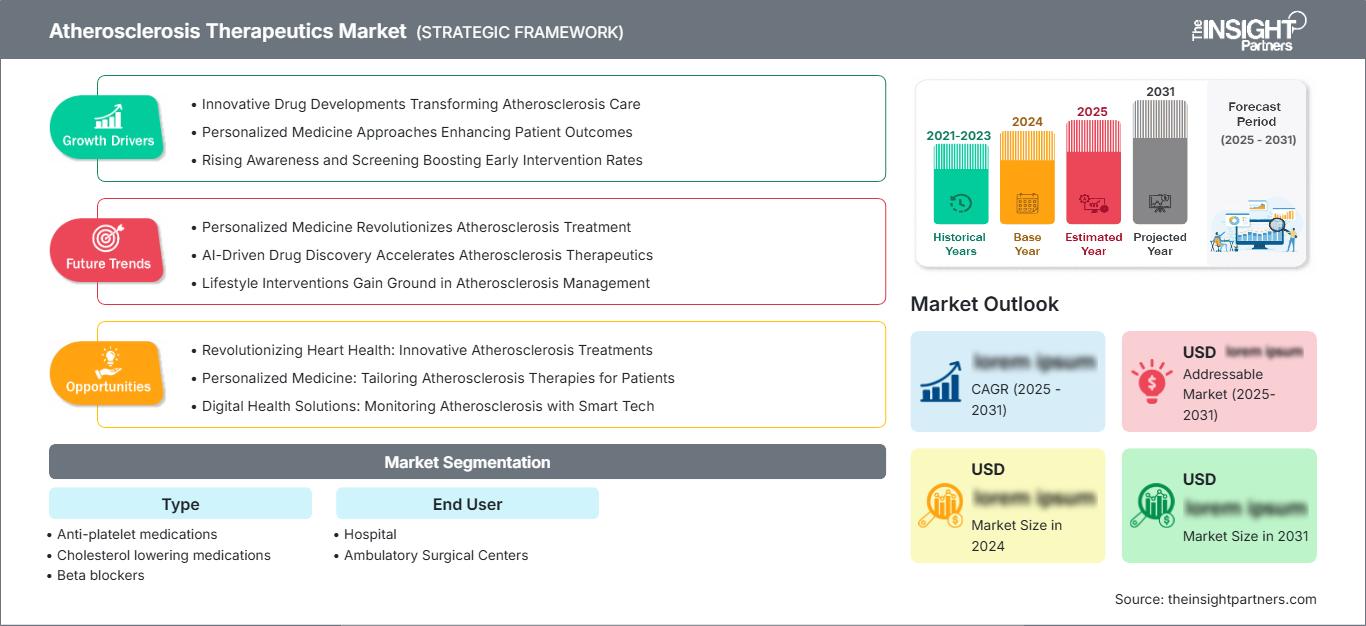
Atherosclerosis Therapeutics Market: Strategic Insights
Regional Insights
North America Atherosclerosis therapeutics market
North America is expected to account for 40-44% of the atherosclerosis therapeutics market share in 2025 and will grow at a CAGR of 7.4-8.2% between 2025 and 2034. It is characterized by abundant specialist coverage in the area of cardiovascular medicine, established reimbursement model, high diagnostics capabilities, and effective implementation of evidence-based pharmacotherapy. The United States still represents the main country driving demand, with Canada contributing via government-funded cardiovascular medicine and preventive efforts.
Intensification of treatment regimens represents an important structural factor, especially among those suffering from lipid abnormalities and cardiovascular risk despite the use of standard treatment regimens. Prevalence of hypertension, diabetes, obesity, and dyslipidemia guarantees the availability of the addressable patient population. North America represents a good environment for innovation due to the presence of a well-developed clinical landscape that facilitates outcomes research and prescribing of new treatments.
U.S. Atherosclerosis therapeutics Market
The US accounts for approximately 88–92% of North America's 2025 market and is expected to grow at a CAGR of 7.5–8.3% during 2026–2034. Its position reflects high treatment intensity, specialist access, established cardiovascular guidelines, and substantial pharmaceutical availability. Companies including Novartis AG, Merck & Co., Inc., Amgen Inc., AstraZeneca plc, Bayer AG, and Johnson & Johnson have significant cardiovascular-related commercial or development activities.
The growing trend is that of an emphasis on secondary prevention, intense lipid intervention, blood pressure control, and prevention of cardiovascular complications. Hospitals and ambulatory facilities form important sources for prescribing medication, whereas the practices of cardiologists become important in helping adopt new injectables. Negotiation on the issue of reimbursement and payer utilization management remain extremely important commercial considerations, particularly in case of expensive branded medications versus cheap generics.
Europe Atherosclerosis therapeutics Market
Europe is expected to hold 27-31% market share in 2025 and has a forecasted CAGR of 7.5-8.3% till 2034. Germany is one of the major markets driven by high cardiovascular care capacity and availability of drugs, whereas the UK, France, Italy, and Spain are other prominent demand centers. Reimbursement conditions, prescribing habits, and healthcare budgets play key roles in determining adoption.
In the UK, well-structured cardiovascular prevention strategies and treatment guidelines prevail. In Germany, a high capacity of specialists is complemented with high pharmaceutical consumption. France has well-developed hospital and outpatient cardiovascular care services, whereas in Italy and Spain emphasis is laid on prevention and management of chronic diseases under the framework of public healthcare system. In Europe, aging population, hypertension, dyslipidemia, and compliance remain major demand drivers, but price regulations and HTA may affect premium drug demand.
APAC Atherosclerosis therapeutics Market
APAC is estimated to account for 19–23% share in 2025 and is projected to expand at a CAGR of 9.0–9.8% during 2026–2034. China is the leading market, followed by Japan, India, South Korea, and Australia. Urbanization, aging, changing dietary patterns, and increasing detection of cardiovascular risk factors are expanding treatment requirements.
China and India offer substantial volume potential as diagnosis and treatment access improve. Japan has a mature cardiovascular system with strong chronic disease management, while South Korea and Australia benefit from established specialist infrastructure. Government health programs, generic medicine availability, improved primary-care screening, and expanding hospital capacity are supporting pharmaceutical adoption across the region.
Middle East & Africa Atherosclerosis therapeutics Market
The Middle East and Africa represent a smaller but increasingly relevant opportunity, with Saudi Arabia, the UAE, and South Africa serving as major demand centers. The regional market is projected to expand at a CAGR of 7.8–8.7% through 2034, supported by healthcare infrastructure development and increasing chronic disease management.
Saudi Arabia benefits from healthcare modernization and cardiovascular prevention initiatives, while the UAE is expanding specialized care capacity. South Africa remains a key subregional pharmaceutical market, supported by established private healthcare infrastructure. Across the Rest of MEA, limited access, affordability constraints, and uneven diagnostic capacity remain barriers, although investments in hospitals, primary care, and chronic disease programs are gradually broadening treatment access.
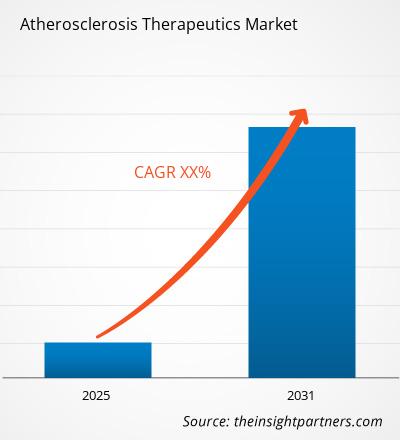
Segmentation Analysis
Type
The Type segment in the atherosclerosis therapeutics market is projected to expand at a CAGR of 8.0–8.7% during 2026–2034. Demand is distributed across therapies addressing thrombosis, cholesterol, blood pressure, and vascular risk. Cholesterol lowering medications maintain the largest position because lipid management is central to long-term cardiovascular risk reduction, while antiplatelet and antihypertensive treatments remain important components of multidrug regimens.
- Anti-platelet medications: These medicines remain strategically important for preventing thrombotic cardiovascular events, particularly in secondary prevention. Demand is sustained by established clinical protocols and broad availability of generic products.
- Cholesterol lowering medications: This category represents the largest therapeutic pool because LDL-cholesterol reduction remains a central treatment objective. Generic statins coexist with differentiated therapies targeting patients requiring additional lipid control.
- Beta blockers: Beta blockers retain relevance in selected cardiovascular populations, particularly where heart-rate control and management of associated cardiac conditions are clinically appropriate. Their mature generic base supports broad availability.
- Angiotensin-converting enzyme inhibitors: ACE inhibitors remain important for patients requiring blood-pressure management alongside cardiovascular and renal protection. Their established efficacy, affordability, and extensive generic availability support continued utilization.
- Calcium channel blockers: Calcium channel blockers address hypertension and selected cardiovascular conditions and remain widely prescribed across mature and emerging healthcare systems. Their established safety and generic availability support sustained demand.
End User
The End User segment in the atherosclerosis therapeutics market is projected to grow at a CAGR of 7.8–8.5% between 2026–2034. Hospitals remain strategically important because complex cardiovascular patients often require specialist evaluation and multidrug treatment. Ambulatory Surgical Centers are increasingly relevant where cardiovascular procedures and follow-up services are delivered outside traditional inpatient environments.
- Hospital: Hospitals represent the principal institutional setting for diagnosis, acute cardiovascular management, specialist consultation, and initiation or adjustment of pharmacological therapy. Their multidisciplinary infrastructure supports complex patients with multiple cardiovascular risk factors.
- Ambulatory Surgical Centers: Ambulatory facilities benefit from the broader shift toward outpatient cardiovascular interventions and shorter care pathways. Their role creates opportunities for medication management linked to procedural episodes and post-procedure cardiovascular risk reduction.
Opportunity Snapshot
| End User | Revenue Contribution | Trend Tag | Adoption Stage |
| Hospital | High | Specialist Care | Mature |
| Ambulatory Surgical Centers | Medium | Outpatient Care | Scaling |
Atherosclerosis Therapeutics Market Growth Drivers and Impact Analysis
Increasing burden of cardiovascular risk factors
The growing prevalence of hypertension, obesity, diabetes, dyslipidemia, physical inactivity, and unhealthy dietary patterns is expanding the population requiring sustained cardiovascular risk management. WHO reported that 1.3 billion adults had hypertension in 2019, while 31% of adults aged 18 years and older were insufficiently physically active in 2022. These risk factors frequently coexist and increase the probability of atherosclerotic events. Commercially, this creates sustained demand for combination treatment and treatment escalation when single-agent approaches are insufficient. It also encourages healthcare providers to identify high-risk patients earlier and maintain longer treatment durations. Pharmaceutical companies can benefit from this structural demand by developing therapies that improve adherence, reduce dosing frequency, or address residual risk among patients who remain vulnerable despite established preventive regimens.
Greater emphasis on residual cardiovascular risk reduction
Clinical management is increasingly moving beyond basic risk-factor control toward identification of patients who remain exposed to cardiovascular events despite established therapy. Persistent LDL-cholesterol elevation, elevated lipoprotein(a), inflammatory pathways, and thrombotic risk are receiving greater scientific attention. This transition creates opportunities for differentiated therapies with mechanisms that complement established statins, antihypertensives, and antiplatelet agents. The commercial effect is particularly relevant for branded products capable of demonstrating outcome benefits in well-defined high-risk populations. Biomarker testing can also improve patient selection and support more targeted prescribing. As clinical evidence accumulates, healthcare systems may increasingly segment patients according to residual risk, creating a more differentiated therapeutic landscape rather than relying on uniform treatment pathways.
Expansion of cardiovascular prevention infrastructure
Investment in primary care, screening, specialist cardiology services, and chronic disease management is improving the ability of healthcare systems to identify and treat cardiovascular risk earlier. This driver is particularly important in emerging economies where diagnosis and treatment rates remain below those observed in mature markets. Expanded infrastructure increases the number of patients progressing from diagnosis to pharmacological management and creates more consistent follow-up opportunities. Digital health tools and electronic medical records can further support adherence monitoring, risk stratification, and treatment adjustment. For manufacturers, broader infrastructure expands addressable populations but also increases competition on affordability and access. Companies that combine appropriate pricing, evidence generation, physician education, and reliable distribution can improve penetration as healthcare systems strengthen their cardiovascular prevention capabilities.
Atherosclerosis Therapeutics Market Future Trends
Biomarker-guided treatment selection
Biomarker-guided treatment is expected to become increasingly important as clinicians seek to identify patients with residual cardiovascular risk who may benefit from therapies beyond standard lipid and blood-pressure management. Lipoprotein(a), LDL-cholesterol, inflammatory indicators, genetic characteristics, and broader risk profiles can support more differentiated therapeutic decisions. The increasing availability of advanced laboratory testing and longitudinal patient records will make risk segmentation more practical across specialist settings. Pharmaceutical development is also moving toward genetically validated targets and therapies designed for narrower biological pathways. This could shift treatment from broad population-based prescribing toward patient groups defined by measurable risk characteristics. Companies with complementary diagnostics, evidence-generation capabilities, and targeted medicines may therefore gain strategic advantages as precision cardiovascular care develops.
Longer-acting and adherence-oriented therapies
Medication adherence in the atherosclerosis therapeutics market trends remains a major challenge in chronic cardiovascular disease because treatment often continues for years without immediately perceptible symptoms. Longer-acting formulations, simplified dosing schedules, and therapies requiring fewer annual administrations are positioned to address this challenge. Such approaches can reduce the frequency of patient-initiated medication decisions and potentially improve persistence. The trend is particularly relevant for lipid-lowering therapies, where injectable options can complement or replace daily oral regimens for selected patients. Healthcare providers are also likely to evaluate adherence through pharmacy records, digital monitoring, and follow-up data. Future product differentiation will therefore increasingly incorporate convenience and persistence alongside efficacy, safety, and cardiovascular outcomes when physicians and payers assess therapeutic value.
Atherosclerosis Therapeutics Market Opportunities
Expansion into underdiagnosed patient populations
A major opportunity exists in improving identification and treatment of patients whose cardiovascular risk remains undiagnosed or inadequately managed. Many individuals with hypertension, dyslipidemia, diabetes, or elevated lipoprotein(a) remain outside specialist care until a cardiovascular event occurs. Companies can address this gap by supporting screening partnerships, primary-care education, risk assessment tools, and simplified treatment pathways. Emerging atherosclerosis therapeutics market forecast offer particularly significant potential because improvements in healthcare access can convert previously untreated risk into managed patient populations. Commercial strategies should combine affordability with scalable distribution and evidence suited to local healthcare systems. Products that can be incorporated into routine primary-care workflows may have an advantage because they can reach larger populations without relying exclusively on specialist cardiology channels.
Partnerships around precision cardiovascular medicine
Strategic partnerships represent an opportunity to accelerate development of therapies addressing genetically validated and biomarker-defined cardiovascular targets. Collaborations between pharmaceutical companies, academic institutions, genomic organizations, diagnostics providers, and healthcare networks can shorten the path from target discovery to clinical validation. The approach can also distribute development risk while improving access to specialized scientific capabilities. Companies may prioritize partnerships involving lipoprotein(a), inflammation, thrombosis, vascular biology, or novel lipid pathways where conventional treatments leave residual risk. Real-world evidence partnerships provide another opportunity by demonstrating treatment persistence, healthcare utilization, and outcomes outside controlled clinical trials. These data can strengthen payer discussions and support differentiated value propositions for therapies entering increasingly competitive cardiovascular markets.
Recent Developments
- August 2026: Novartis AG announced that data presented at the 2026 European Society of Cardiology Congress would include analyses of inclisiran, cardiovascular risk programs, and ongoing development efforts addressing patients who remain at risk despite current treatment. The company also highlighted Lp(a) testing initiatives and continued development of pelacarsen for patients with elevated Lp(a) and established cardiovascular disease.
- June 2026: Bayer AG highlighted collaboration with the Saudi Heart Association following publication of recommendations emphasizing early identification of subclinical atherosclerosis. The initiative supports greater attention to cardiovascular risk assessment before clinical events and aligns with Bayer's broader focus on cardiovascular health and prevention.
- January 2026: Merck & Co., Inc. updated its development pipeline to include MK-7262, an oral lipoprotein(a) inhibitor being developed under an agreement with Jiangsu Hengrui Pharmaceuticals Co., Ltd. The program targets atherosclerosis and illustrates continued pharmaceutical investment in oral approaches to address elevated lipoprotein(a), a recognized residual cardiovascular risk factor.
Frequently Asked Questions

- Comprehensive Market Sizing and Forecast Analysis
- Detailed Segmentation Analysis
- In-Depth Market Dynamics Assessment
- Regional and Country-Level Insights
- Competitive Landscape and Company Benchmarking
- Strategic Business Intelligence
Recent Reports
Testimonials

The Insight Partners' SCADA System Market report is comprehensive, with valuable insights on current trends and future forecasts. The team was highly professional, responsive, and supportive throughout. We are very satisfied and highly recommend their services.
RAN KEDEM Partner, Reali Technologies LTDs
I requested a report on a very specific software market and the team produced the report in a few days. The information was very relevant and well presented. I then requested some changes and additions to the report. The team was again very responsive and I got the final report in less than a week.
JEAN-HERVE JENN Chairman, Future Analytica
We worked with The Insight Partners for an important market study and forecast. They gave us clear insights into opportunities and risks, which helped shape our plans. Their research was easy to use and based on solid data. It helped us make smart, confident decisions. We highly recommend them.
PIYUSH NAGPAL Sr. Vice President, High Beam Global
The Insight Partners delivered insightful, well-structured market research with strong domain expertise. Their team was professional and responsive throughout. The user-friendly website made accessing industry reports seamless. We highly recommend them for reliable, high-quality research services
YUKIHIKO ADACHI CEO, Deep Blue, LLC.
This is the first time I have purchased a market report from The Insight Partners.While I was unsure at first, I visited their web site and felt more comfortable to take the risk and purchase a market report.I am completely satisfied with the quality of the report and customer service. I had several questions and comments with the initial report, but after a couple of dialogs over email with their analyst I believe I have a report that I can use as input to our strategic planning process.Thank you so much for taking the extra time and making this a positive experience.I will definitely recommend your service to others and you will be my first call when we need further market data.
JOHN SUZUKI President and Chief Executive Officer, Board Director, BK Technologies
I wish to appreciate your support and the professionalism you displayed in the course of attending to my request for information regarding to infectious disease IVD market in Nigeria. I appreciate your patience, your guidance, and the fact that you were willing to offer a discount, which eventually made it possible for us to close a deal. I look forward to engaging The Insight Partners in the future, all thanks to the impression you have created in me as a result of this first encounter.
DR CHIJIOKE ONYIA MANAGING DIRECTOR, PineCrest Healthcare Ltd.Reason to Buy
- Informed Decision-Making
- Understanding Market Dynamics
- Competitive Analysis
- Identifying Emerging Markets
- Customer Insights
- Market Forecasts
- Risk Mitigation
- Boosting Operational Efficiency
- Strategic Planning
- Investment Justification
- Tracking Industry Innovations
- Aligning with Regulatory Trends





 Get Free Sample for