
Cardiac Cannula Market Trends, Size & Growth by 2034
Coverage: By Product (Arterial Cannulas, Venous Cannulas, Cardioplegia Cannulas); Application (Arterial Venous Vannulation, Cardiopulmonary Bypass, Myocardial Preservation); End User (Hospitals, Cardiac Centers, Ambulatory Surgery Centers) , and Geography (North America, Europe, Asia Pacific, and South and Central America)
- Status : Data Released
- Report Code : TIPRE00008777
- Category : Life Sciences
- No. of Pages : 150
- Available Report Formats :


- Last update date : August 21, 2026


2025 Market Size
US$ 201.92 Mn
Base year value
2034 Forecast
US$ 313.6 Mn
Projected by 2034
CAGR 2026-2034
5.01 %
Growth rate
Addressable Market
US$ 2,338.99 Mn
(2026-2034)
The Cardiac Cannula Market was valued at US$ 201.92 Million in 2025 and is projected to reach US$ 313.6 Million by 2034, registering a CAGR of 5.01% during 2026–2034. Demand is anchored in cardiopulmonary bypass, myocardial preservation, and arterial venous vannulation procedures where cannula performance directly affects perfusion stability, surgical visibility, and patient safety during cardiac intervention.
North America remains the most mature commercial base, with the Cardiac Cannula Market size supported by high cardiac surgery capacity, specialized perfusion teams, and strong hospital procurement standards. The region is estimated to grow at a CAGR of 4.7–5.3% during 2026–2034, driven by minimally invasive cardiac surgery, ECMO-adjacent cannulation protocols, and replacement demand from accredited cardiac centers. FDA recall activity also reinforces quality-led supplier scrutiny.
Cardiac Cannula Market Assessment and Insights
- North America accounted for 38–41% share in 2025 and is expected to grow at a CAGR of 4.7–5.3% between 2026–2034, supported by advanced perfusion infrastructure, cardiac surgery concentration, and active device safety oversight.
- US represented 77–80% of North America in 2025 and is projected to grow at a CAGR of 4.8–5.4% between 2026–2034, led by large hospital networks and established supplier presence.
- Europe held 28–31% share in 2025 and is forecast to grow at a CAGR of 4.3–4.9% between 2026–2034, with Germany, the UK, France, Italy, and Spain leading adoption under MDR-aligned procurement.
- Asia Pacific captured 21–24% share in 2025 and is expected to expand at a CAGR of 5.8–6.5% between 2026–2034, led by China, Japan, South Korea, India, and Australia.
- Largest Segment: Cardiopulmonary Bypass held 45–48% market share in 2025 and is expected to grow at a CAGR of 4.8–5.2% during 2026–2034 due to routine open-heart procedure use.
- High Growth Segment: Ambulatory Surgery Centers held 8–10% market share in 2025 and is expected to grow at a CAGR of 5.8–6.4% during 2026–2034 as selected lower-complexity cardiac interventions decentralize.
- Key companies analyzed in detail: Medtronic plc, Becton, Dickinson and Company, Terumo Corporation, Edwards Lifesciences Corporation, LivaNova PLC, Sorin Group, a LivaNova company, Getinge AB, ANDOCOR n.v., Braile Biomédica, Vitalcor Inc.
Source: The Insight Partners' analysis based on proprietary research, government publications, company annual reports, investor presentations, industry databases, and expert interviews.
Technology development has shifted from basic cannula geometry toward kink-resistant bodies, optimized tip profiles, better radiopacity, and procedure-specific venous, arterial, and cardioplegia configurations. Production dynamics are also changing as hospitals demand tighter traceability, validated sterilization, and lot-level quality controls. The Cardiac Cannula Market is therefore moving from product availability competition toward reliability, clinical compatibility, and lower intraoperative disruption risk.
During the forecast period, growth will be influenced by new cardiac surgical offerings in the Asia-Pacific region, improved procedure capabilities in private hospitals, and regulatory preference for proven product efficacy. Those vendors focusing on building MDR-compliant product portfolios, pediatric sizes, and minimally invasive device designs will see market penetration increase. The buying organization will evaluate suppliers based on availability, training, and responsiveness to post-market surveillance.
Cardiac Cannula Market Report Scope
| Report Attribute | Details |
|---|---|
| Market size in 2025 | US$ 201.92 Million |
| Market Size by 2034 | US$ 313.6 Million |
| Global CAGR (2026 - 2034) | 5.01% |
| Historical Data | 2021-2024 |
| Forecast period | 2026-2034 |
Cardiac Cannula Market Analysis
Procedure volumes are the primary drivers due to the vital role of cannulae, being critical disposable interfaces between the patient and extracorporeal circuits. The Cardiac Cannula Market is driven by an increasing number of coronary, valve, congenital, and aortic procedures, whereas cardiovascular diseases represent the major global cause of mortality according to the WHO, responsible for 17.9 million deaths per year.
The value chain consists of polymer vendors, precision extrusion companies, sterilization firms, hospital perfusion units, cardiac surgeons, and distributors. The supply capabilities rely on cleanroom production, flexibility of material used, and stable lumens. Hospitals pay more attention to substitutes after the 2025 FDA interventions with arterial and left heart vent cannulae due to the effects of product removals on operations.
Competition is concentrated among multinational cardiovascular device companies and niche cannulation specialists. Cardiac Cannula Market analysis shows that Medtronic plc, Terumo Corporation, Edwards Lifesciences Corporation, and LivaNova PLC compete through portfolio breadth, installed perfusion relationships, and clinical education, while ANDOCOR n.v., Braile Biomédica, and Vitalcor Inc. address focused hospital needs.
Investments are becoming more focused on portfolio rationalization, regulatory documentation, and cannula design that can be used for minimally invasive and extracorporeal support solutions. The Getinge AB choice to discontinue some surgical perfusion products by the end of 2025 results from the redirection of resources to more promising extracorporeal support areas.
● REPORT CUSTOMIZATION
Tailor This Report To Align With Your Specific Business Requirements
This report can be customized to align precisely with your business objectives, scope, and target markets. Customization options include tailored segmentation, geography, competitive analysis, and strategic insights to support informed decision-making.
Customize This Report →WHAT YOU CAN ADJUST
- ● Segmentations
- ● Geography
- ● Competitive Analysis
- ● Language Preferences
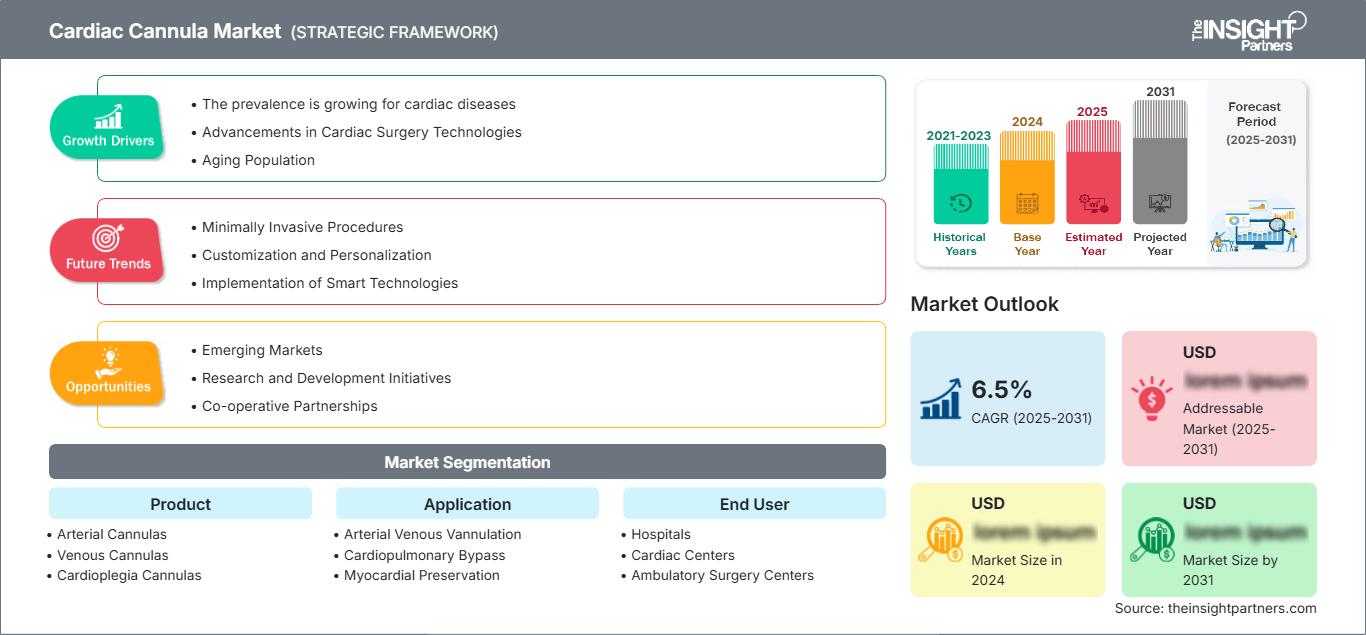
Cardiac Cannula Market: Strategic Insights
Regional Insights
North America Cardiac Cannula Market
North America generated 38–41% share in 2025 and is expected to record a CAGR of 4.7–5.3% during 2026–2034. The Cardiac Cannula Market share is underpinned by large tertiary hospitals, advanced cardiothoracic programs, and procedure-specific purchasing by perfusion departments. The demand is highest for adult cardio-pulmonary bypass. Pediatric application remains constant in pediatric hospitals.
Quality assurance is an important regional factor. FDA communication in 2025 concerning Medtronic and Edwards Lifesciences cannula-related products compelled the hospitals to improve their lot traceability, supplier qualification, and backup inventory plans. Such a situation benefits manufacturers with resilient production capacity, field correction mechanisms, and clinical teams who minimize disruptions during cardiac operations.
U.S. Cardiac Cannula Market
The U.S. accounted for 77–80% of North America in 2025 and is projected to grow at a CAGR of 4.8–5.4% during 2026–2034. The adoption is largely found among academic medical centers, integrated delivery networks, and specialty hospitals that have a high throughput of cardiac surgeries and standardized perfusion techniques.
The companies have a wide coverage with Medtronic plc, Terumo Corporation, LivaNova PLC, Edwards Lifesciences Corporation, Becton, Dickinson and Company, and Vitalcor Inc., selling their products directly to hospitals or using specialist distributors. The demand for the application lies mostly in cardiopulmonary bypass and myocardial preservation.
Europe Cardiac Cannula Market
Europe held 28–31% share in 2025 and is expected to grow at a CAGR of 4.3–4.9% during 2026–2034. Germany is the top-ranking country because of cardiac surgery rate, hospital specialization, and adoption of MDR-compliant devices. The United Kingdom is boosted by having centralized cardiac care networks and clinical outcome-based device purchase.
Germany and the United Kingdom together influence premium cannula purchasing via tender procedures at hospitals and proficiency in perfusion. France, Italy, and Spain contribute to market dynamics via their cardiovascular programs in the public sector, adoption of minimally invasive cardiac surgery techniques, and demand for pediatric and cardioplegia cannulas.
The geographical location of European suppliers and experts provides easy access to the notified bodies and advanced technical manufacturing facilities. ANDOCOR n.v. is active in the cardiovascular cannulation market. LivaNova PLC has a range of adult and pediatric cannulas with designs for conventional and specialized cardiopulmonary support.
APAC Cardiac Cannula Market
Asia Pacific represented 21–24% share in 2025 and is forecast to grow at a CAGR of 5.8–6.5% during 2026–2034. China is the dominant region, backed by hospital development, cardiovascular disease prevalence, and the growing capacity for cardiac surgery operations within the region. Japan and South Korea continue to excel in the uptake of the technology.
India and Australia grow via the development of private cardiac hospitals, medical tourism, and perfusion standardization through training. Policy initiatives to develop tertiary care facilities, regional distribution relationships, and increased availability of open-heart surgeries have increased procedure volumes despite stronger price pressures than in North America and Europe.
Middle East & Africa Cardiac Cannula Market
The Middle East & Africa is expected to grow at a CAGR of 4.6–5.2% during 2026–2034. Saudi Arabia is the leading country, followed by the UAE and South Africa, driven by investment in tertiary hospitals, cardiac centers, and specialist surgical infrastructure.
Energy-linked healthcare funding in Gulf countries supports procurement of advanced cardiac surgery consumables, while South Africa anchors regional access to complex cardiothoracic procedures. The rest of MEA demand remains selective, with growth dependent on trained perfusion teams, import availability, and referral-center development.
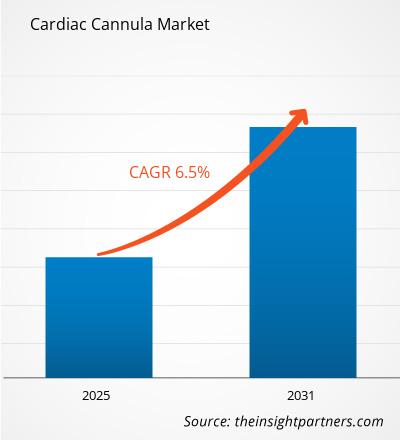
Segmentation Analysis
Product
Product is expected to grow at a CAGR of 4.7–5.3% during 2026–2034. The Cardiac Cannula Market scope across product types is shaped by procedure complexity, vessel access, and myocardial protection requirements. Hospitals prefer suppliers that provide matched arterial, venous, and cardioplegia options across adult and pediatric sizing, reducing clinical variation and procurement fragmentation.
- Arterial Cannulas support oxygenated blood return during extracorporeal circulation and are strategically important because tip design, flow performance, and wire reinforcement influence perfusion quality and vascular injury risk.
- Venous Cannulas are essential for drainage efficiency during bypass and specialty support procedures. Demand favors kink-resistant configurations, multiple size options, and compatibility with minimally invasive or femoral access approaches.
- Cardioplegia Cannulas enable myocardial protection during cardiac arrest. Adoption is linked to surgeon preference, antegrade or retrograde delivery protocols, and the need for reliable positioning during valve and coronary procedures.
Application
Application is expected to grow at a CAGR of 4.9–5.5% during 2026–2034. Demand differs by clinical workflow, with cardiopulmonary bypass generating routine volume, myocardial preservation requiring precision delivery, and arterial venous vannulation supporting direct vascular access. Growth depends on procedural standardization and improved cannula selection in complex surgeries.
- Arterial Venous Vannulation supports blood access and return in extracorporeal circulation workflows. Demand is rising where peripheral access, minimally invasive techniques, and rapid procedural setup are prioritized.
- Cardiopulmonary Bypass remains the dominant application because cannulae are mandatory for extracorporeal circuit connection during open-heart surgery, including coronary, valve, congenital, and aortic procedures.
- Myocardial Preservation depends on effective cardioplegia delivery to protect heart tissue during surgical arrest. Strategic importance is high in complex valve, pediatric, and prolonged bypass procedures.
End User
End User is expected to grow at a CAGR of 5.0–5.7% during 2026–2034. Hospitals dominate purchasing due to infrastructure intensity, while cardiac centers drive procedural specialization. Ambulatory surgery centers are emerging selectively for lower-complexity cardiovascular procedures as monitoring, anesthesia, and referral protocols become more standardized.
- Hospitals remain the core revenue base because they manage complex open-heart surgery, emergency cardiac cases, pediatric programs, and intensive postoperative care requiring broad cannula inventories.
- Cardiac Centers show strong strategic relevance through high procedural focus, specialist perfusion teams, and consistent demand for premium cannula configurations that match surgeon-specific preferences.
- Ambulatory Surgery Centers represent an emerging channel for selected cardiovascular interventions. Uptake depends on case selection, reimbursement fit, emergency transfer links, and access to trained clinical teams.
Opportunity Snapshot
| Segment Name | Revenue Contribution | Trend Tag | Adoption Stage |
| Hospitals | High | Complex Bypass | Mature |
| Cardiac Centers | High | Specialist Perfusion | Scaling |
| Ambulatory Surgery Centers | Low | Decentralized Care | Emerging |
Cardiac Cannula Market Growth Drivers and Impact Analysis
Rising Need for Cardiopulmonary Bypass Procedures
The cardiac surgery application represents the most robust demand anchor, as every bypass surgery entails the necessity of reliable cannulation connecting the patient to the extracorporeal circuit. The procedure’s growth drivers include coronary artery disease, valvular disease, congenital corrections, and aortic procedures in the aging population. Given that the cannulae represent single-use disposable procedural devices, the revenue is directly linked to the number of procedures performed and not the equipment cycle time. In addition, the hospitals tend to maintain more reserve stock following recent field maneuvers and hence, supply reliability becomes an acquisition consideration. As a result, there is a steady recurrent demand for arterial and venous cannulas for adults undergoing bypass surgeries.
Shift Toward Minimally Invasive and Peripheral Access
The practice of minimally invasive heart surgery is influencing the cannula design considerations, especially in relation to femoral, jugular, and venous access devices. Small incisions necessitate cannulas that combine flexibility, radiolucency, and flow stability while being safe for the vessels. This is an additional driver that promotes developments in reinforced cannula tubing, tip designs, and specialty double-lumen or peripheral devices. The impact on the business side is a slow shift from generic consumables to device-specific cannulas with enhanced value. Cannulation errors result in bleeding, inadequate drainage, or difficulties starting the bypass; suppliers training surgeons and perfusionists on access planning benefit from this.
Higher Procurement Focus on Safety and Traceability
Safety bulletins issued recently have made hospitals more concerned about the design of cannula, lot control, and promptness in corrective action. Bulletins from the FDA related to arterial perfusion and left heart vent cannulae, in 2025, identified dangers such as exposed reinforcement wire, insufficient shape memory, tissue damage, hemolysis, and possible procedure delays. These incidents will not dampen future demand, but they will affect purchasing decisions. Hospitals are expected to give preference to manufacturers who have reliable production controls, uniform materials, and speedy re-supply capabilities.
Cardiac Cannula Market Future Trends
Procedure-Specific Cannulation Kits
Cardiac Cannula Market trends will increasingly favor procedure-specific kits that package arterial, venous, cardioplegia, vents, connectors, and accessories according to the surgical pathway. Such a strategy eliminates variations in setup, facilitates better preparation of the operating theater, and makes it easier to manage the inventory process for the perfusion team. Customization of kits can be leveraged by manufacturers to make stronger hospital contracts independent of price per unit. Eventually, cardiac centers will be asking for configurations for valve repair, coronary bypass, pediatric procedures, and minimal access surgeries.
Integration with Digital Inventory and UDI Systems
Real-time inventory tracking would be essential for hospitals that desire to have a clear view of their sterile inventory, as well as expiry dates. Electronic recall processes through unique device identification may assist in minimizing the need for manual checks when there are field activities. Cannula vendors who incorporate labeling, documentation, and a customer portal within the procurement system could become more favored in hospitals. This practice is also beneficial in situations where there are limited product supplies.
Cardiac Cannula Market Opportunities
Expansion in High-Volume Asian Cardiac Centers
Asia Pacific offers strong expansion potential as China, India, South Korea, Japan, and Australia invest in specialized cardiac infrastructure. Cardiac Cannula Market Forecasts indicate that manufacturers can improve penetration through regional distribution, surgeon education, and differentiated pricing for public and private hospitals. Local clinical training is especially important because cannula selection varies by access site, patient anatomy, and bypass protocol. Companies that combine reliable supply with technical support can capture share as regional centers increase open-heart and minimally invasive case volumes.
Premium Pediatric and Specialty Cannula Portfolios
Procedures requiring specialty pediatric and complex adult devices provide an opportunity for high-value cannula portfolios. Pediatric hospitals will require a small, non-traumatic, and flexible design, while complex adult procedures will have special needs in terms of drainage, venting, and cardioplegia delivery capabilities. This market favors companies that have both good engineering capability and a close clinical partnership rather than extensive catalogs. Specialty product development could also be a defensive move for margins, as hospitals will be reluctant to switch products due to clinical considerations.
Recent Developments
- August 2025: Medtronic plc initiated customer actions after FDA reported a potentially high-risk issue involving DLP Left Heart Vent Catheters used during cardiopulmonary bypass. The affected products could resist shape retention when bent, creating risk of procedural delay or tissue injury if not identified before use. The company asked customers to identify, quarantine, and return unused affected lots.
- July 2025: Edwards Lifesciences Corporation announced removal of affected OptiSite Arterial Perfusion Cannula and selected Peripheral Femoral Arterial Cannula models after reports of exposed wire from the reinforcement coil. FDA classified the recall as the most serious type and noted risks including tissue damage, arterial puncture, inadequate perfusion, and hemolysis, with no serious injuries or deaths reported as of May 20 2025.
- February 2025: Getinge AB confirmed plans to phase out its cardiopulmonary surgical perfusion product portfolio by the end of 2025 and redirect resources toward extracorporeal membrane oxygenation and intra-aortic balloon pump offerings. The move may reshape adjacent cardiac surgery supply dynamics and create opportunities for established perfusion and cannulation suppliers serving hospitals that require continuity.
Frequently Asked Questions

- Comprehensive Market Sizing and Forecast Analysis
- Detailed Segmentation Analysis
- In-Depth Market Dynamics Assessment
- Regional and Country-Level Insights
- Competitive Landscape and Company Benchmarking
- Strategic Business Intelligence
Recent Reports
Testimonials

The Insight Partners' SCADA System Market report is comprehensive, with valuable insights on current trends and future forecasts. The team was highly professional, responsive, and supportive throughout. We are very satisfied and highly recommend their services.
RAN KEDEM Partner, Reali Technologies LTDs
I requested a report on a very specific software market and the team produced the report in a few days. The information was very relevant and well presented. I then requested some changes and additions to the report. The team was again very responsive and I got the final report in less than a week.
JEAN-HERVE JENN Chairman, Future Analytica
We worked with The Insight Partners for an important market study and forecast. They gave us clear insights into opportunities and risks, which helped shape our plans. Their research was easy to use and based on solid data. It helped us make smart, confident decisions. We highly recommend them.
PIYUSH NAGPAL Sr. Vice President, High Beam Global
The Insight Partners delivered insightful, well-structured market research with strong domain expertise. Their team was professional and responsive throughout. The user-friendly website made accessing industry reports seamless. We highly recommend them for reliable, high-quality research services
YUKIHIKO ADACHI CEO, Deep Blue, LLC.
This is the first time I have purchased a market report from The Insight Partners.While I was unsure at first, I visited their web site and felt more comfortable to take the risk and purchase a market report.I am completely satisfied with the quality of the report and customer service. I had several questions and comments with the initial report, but after a couple of dialogs over email with their analyst I believe I have a report that I can use as input to our strategic planning process.Thank you so much for taking the extra time and making this a positive experience.I will definitely recommend your service to others and you will be my first call when we need further market data.
JOHN SUZUKI President and Chief Executive Officer, Board Director, BK Technologies
I wish to appreciate your support and the professionalism you displayed in the course of attending to my request for information regarding to infectious disease IVD market in Nigeria. I appreciate your patience, your guidance, and the fact that you were willing to offer a discount, which eventually made it possible for us to close a deal. I look forward to engaging The Insight Partners in the future, all thanks to the impression you have created in me as a result of this first encounter.
DR CHIJIOKE ONYIA MANAGING DIRECTOR, PineCrest Healthcare Ltd.Reason to Buy
- Informed Decision-Making
- Understanding Market Dynamics
- Competitive Analysis
- Identifying Emerging Markets
- Customer Insights
- Market Forecasts
- Risk Mitigation
- Boosting Operational Efficiency
- Strategic Planning
- Investment Justification
- Tracking Industry Innovations
- Aligning with Regulatory Trends





 Get Free Sample for